
A biological wastewater treatment plant is one of the most practical solutions for a private house: it works reliably, reduces the risk of odours and helps manage household sewage safely. But the end result depends not only on the plant itself, but above all on correct installation and discharge of the treated water.
In this article we explain clearly how biological wastewater treatment plants are installed for private houses, how long it takes, what affects the cost and what to prepare before installation.
Installing a biological treatment plant: why does installation matter so much?
Even a good plant may not work optimally if:
- the location on site is not chosen correctly,
- the discharge solution (infiltration/ditch/pumping) is not planned,
- the connections or gradients are wrong,
- there is no access for maintenance.
So the goal is not just to “bury a plant”, but to build a system that works reliably in the long term.
6 steps to installing a biological treatment plant correctly for a private house
1) Consultation and choice of the most suitable model
We determine the capacity (number of people, intensity of use, seasonal/permanent living) and choose a suitable plant.
2) Assessment of site conditions
It is very important to assess:
- the soil type and infiltration options,
- the groundwater level,
- the terrain,
- the options for discharging treated water,
3) Earthworks and base preparation
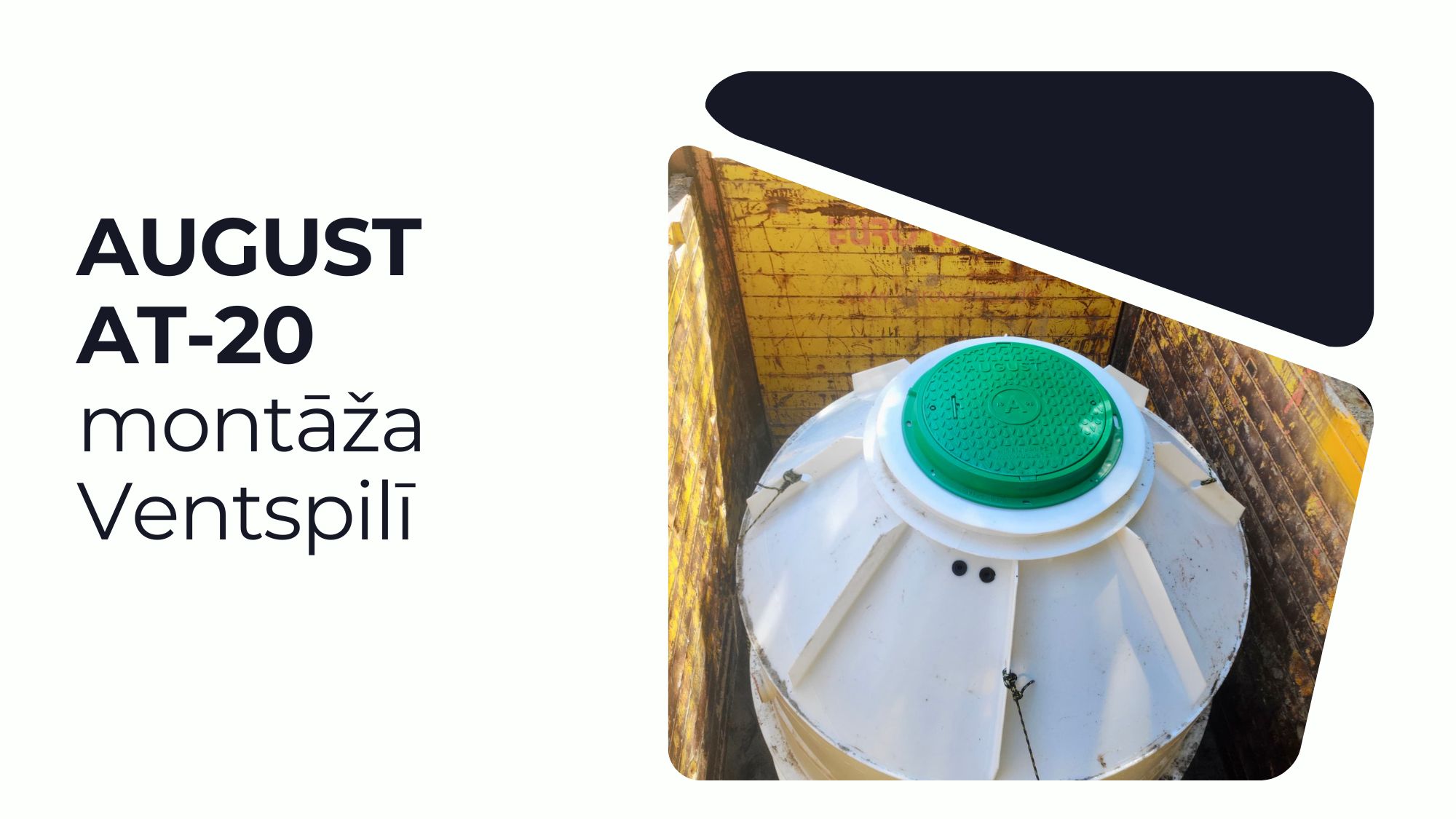
The pit, base and position are prepared to ensure the plant is stable and works correctly.
4) Installing the plant and making the connections
The plant is installed and connected to the house sewer, and the treated-water discharge solution is planned and built.
5) Filling, adjustment and commissioning
The plant is filled, adjusted and its operation tested. The customer is shown how to use it correctly.
6) Maintenance and service
To keep the treatment quality stable and avoid faults, regular maintenance must be planned for the plant.
Correct installation of a biological wastewater treatment plant for a private house reduces the risk of odours and overflows and ensures stable treatment quality.
Note: in many municipalities, decentralised sewerage systems must be registered. The Ministry of Smart Administration and Regional Development (VARAM) reports that registers of decentralised sewerage systems have been set up in all municipalities – read more here.
Where and how should treated wastewater be discharged?
Discharging treated water is one of the most common questions. Typical solutions:
- infiltration / drainage (if the soil and conditions allow),
- discharge to a ditch / drainage system (if this is permitted at the specific location),
- pumped solutions, if the terrain requires it (no natural fall, or the discharge point is higher).
Important: choose the discharge method based on the site conditions, not “the same as the neighbours”.
How long does installation take?
The timeline depends on the amount of earthworks and the discharge solution. On simpler sites, installation can often be done quickly, but on more complex ones (high groundwater, dolomite, pumping, long pipe runs) it can take longer. Installation usually takes 1 day.
What affects the installation cost?
The main factors that make up the price are usually:
- the distance from the house to the plant (pipe run length),
- soil conditions (clay, sand, dolomite, high groundwater),
- whether a pumping station or extra components are needed,
- the treated-water discharge solution,
Tip: the cheapest solution at the start is not always the cheapest in the long run if the discharge then has to be fixed or overflows dealt with.
What to prepare before installation (to keep it quick)
Before installation, it helps to have:
- the number of people in the household,
- information about the soil/groundwater (if known),
- a rough idea of where you want the plant (or a location we can assess together),
- information about the existing system (if there is one).
The most common mistakes to avoid
- choosing a plant without a discharge plan,
- installing the plant where there is no access for maintenance,
- saving on the quality of earthworks (base, backfill, gradients),
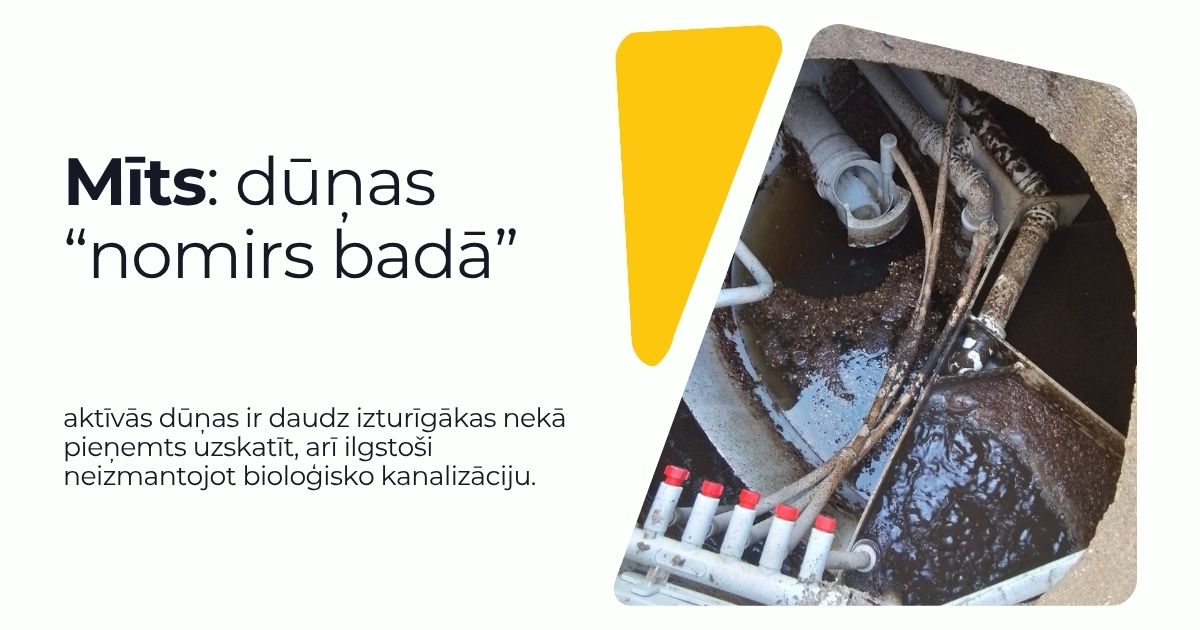
- wet wipes, oils and aggressive chemicals ending up in the sewer (this damages the system),
- putting off maintenance “until it starts to smell”.