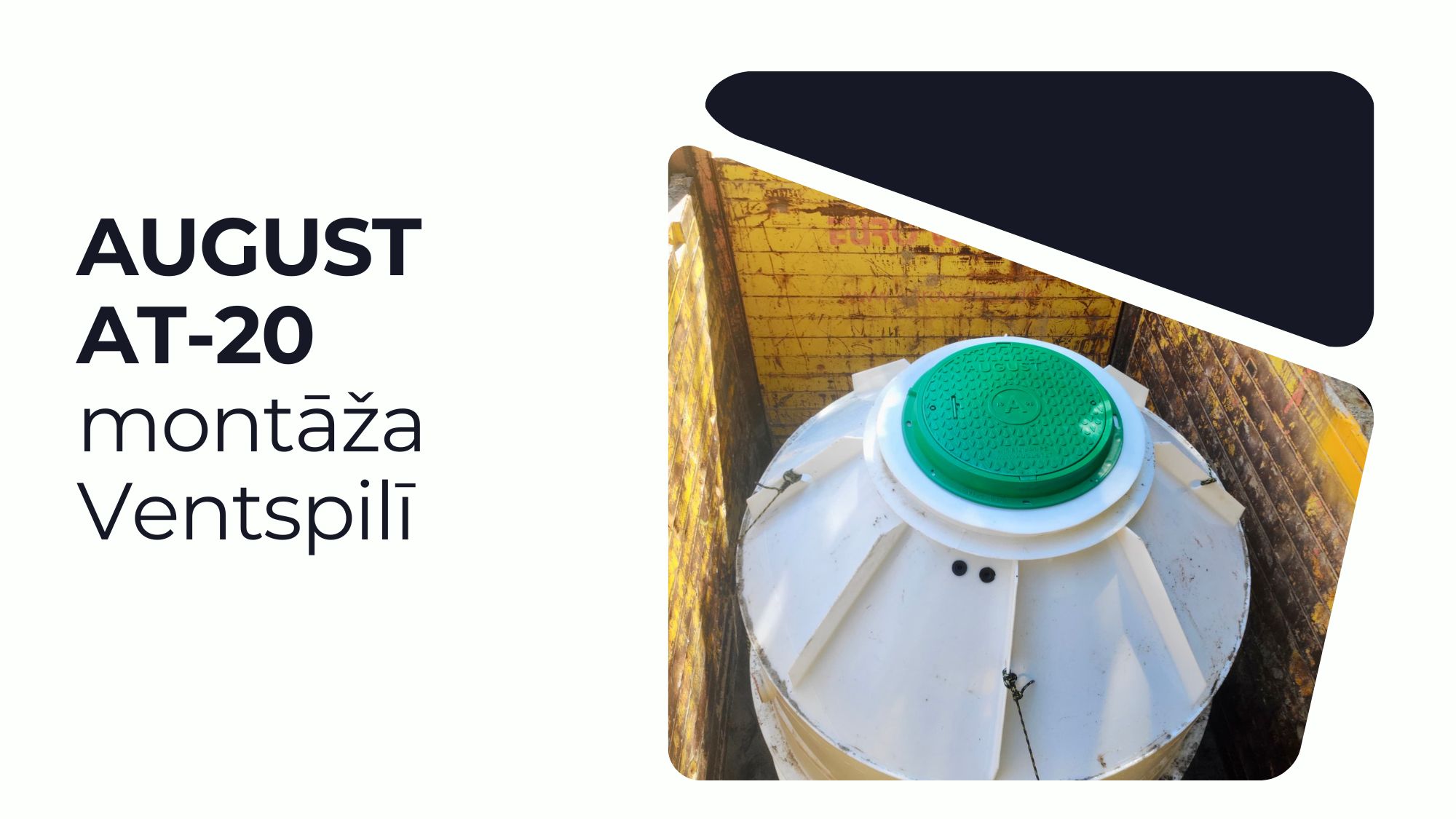

If your property still has an old septic tank, holding tank or a sewerage system built long ago, sooner or later there comes a point when dismantling the old sewerage system is the sensible step. Usually this is not “because you want something new”, but because the old system starts causing everyday problems and costs that are no longer reasonable.
When is dismantling justified?
The first signs usually appear gradually. At first it may seem like “nothing much”, but over time it becomes clear that the system no longer works reliably. The most typical signs are:
- a smell in the yard or near the tank lid
- more frequent pumping out than before and rising costs
- overflows after rain or in spring, puddles and waterlogged areas
- suspicion that the tank is not watertight or groundwater is leaking in
- an old infiltration field that no longer absorbs water and causes repeated problems
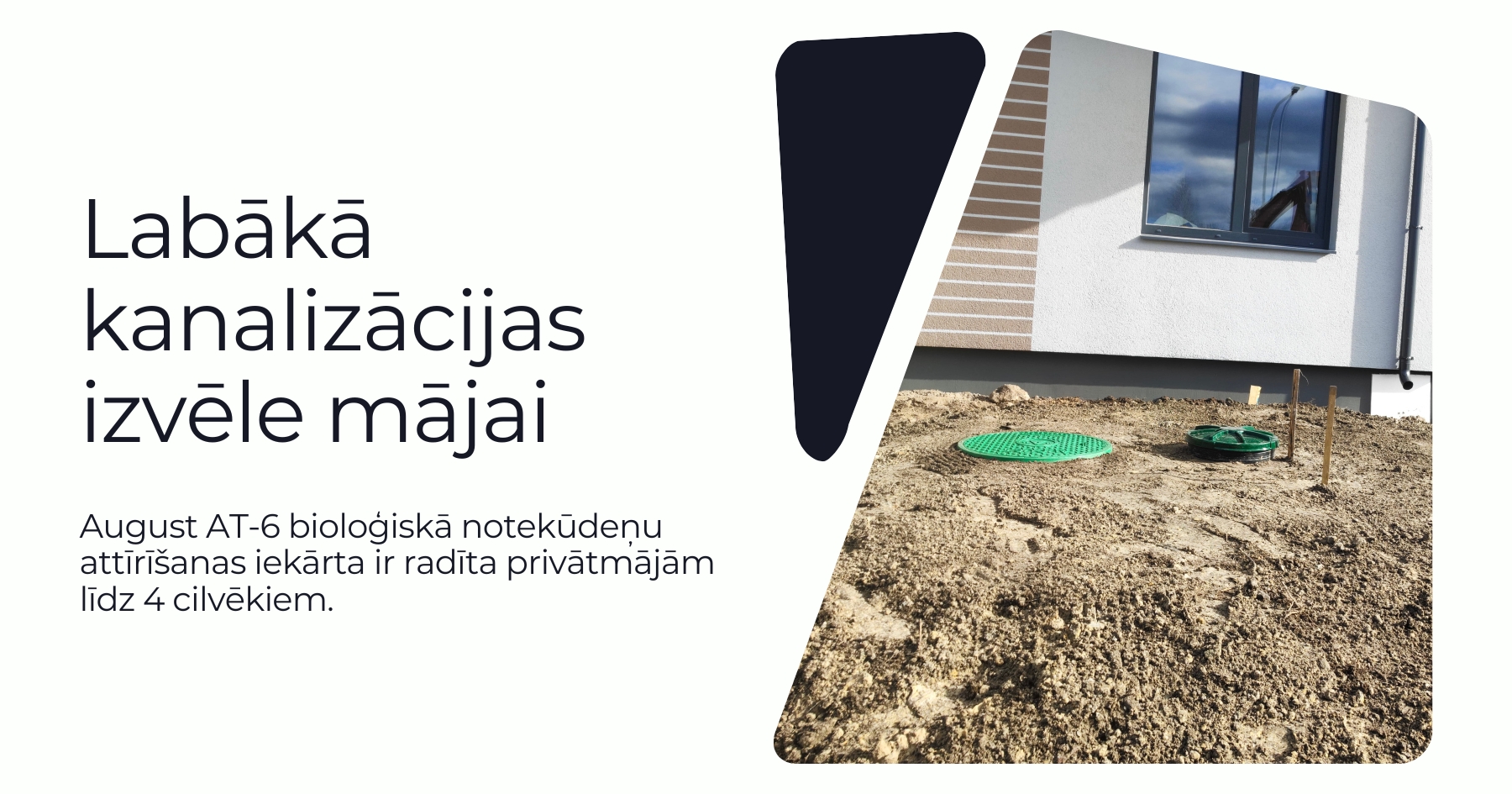
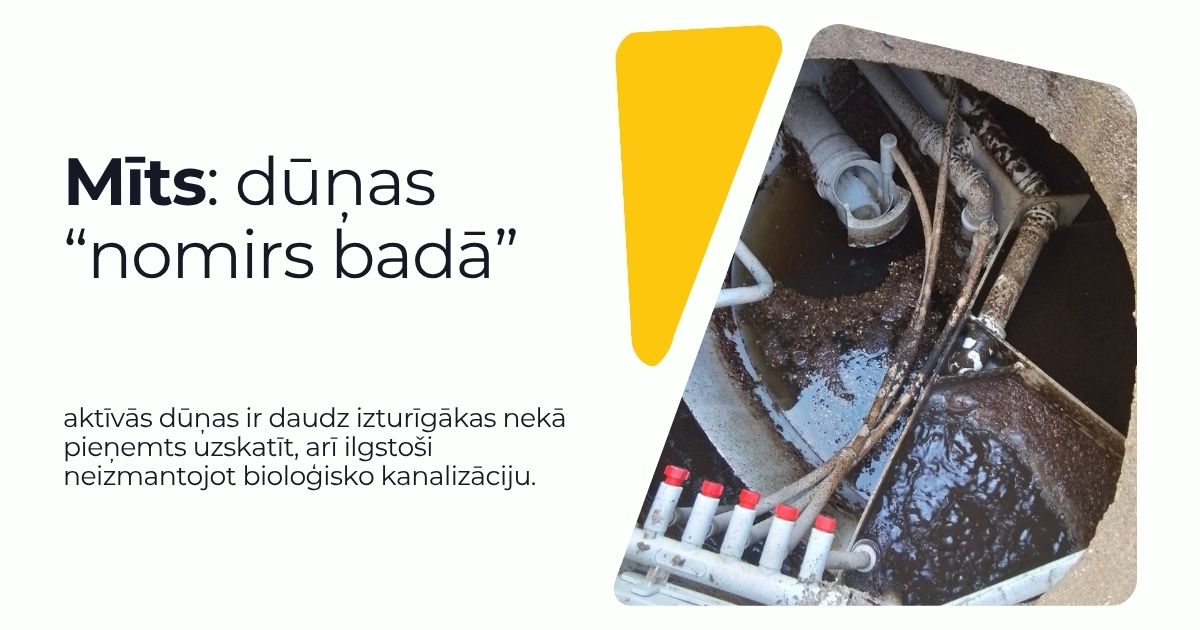
In such situations people often try to repair the old system, but in reality this tends to be a short-term fix. Old septic tanks and holding tanks crack, infiltration fields clog, and if the soil conditions are unsuitable, the problems come back. That’s why it is often better value to sort everything out once and switch to a modern solution such as a biological wastewater treatment plant.
How is an old sewerage system dismantled?
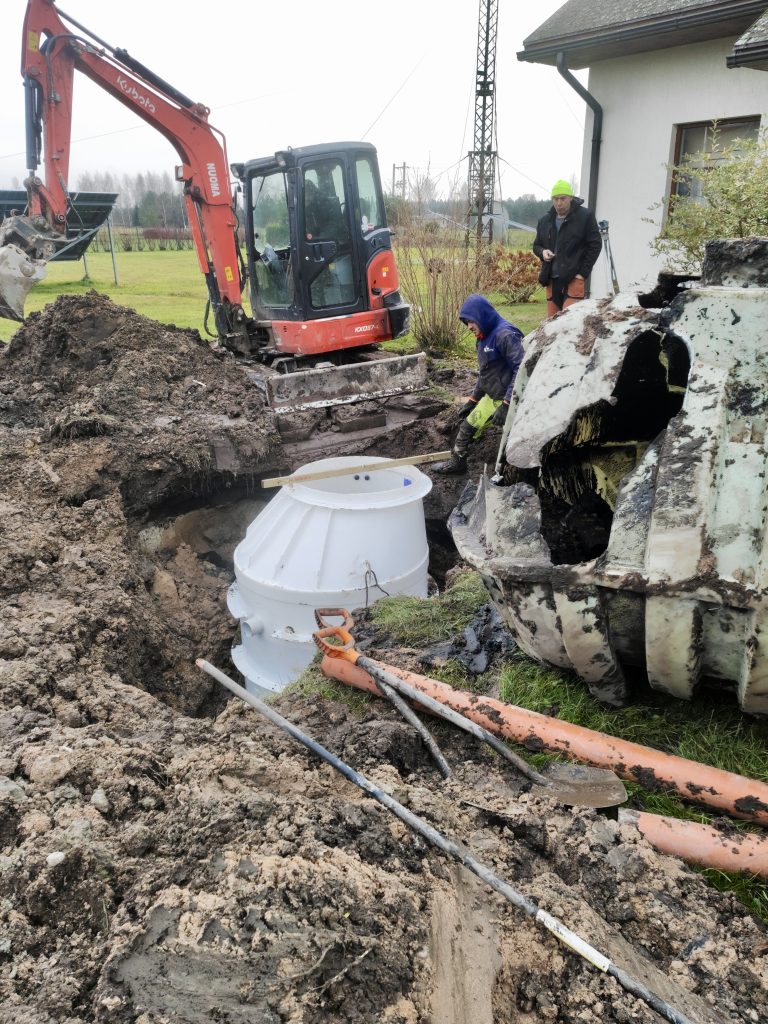
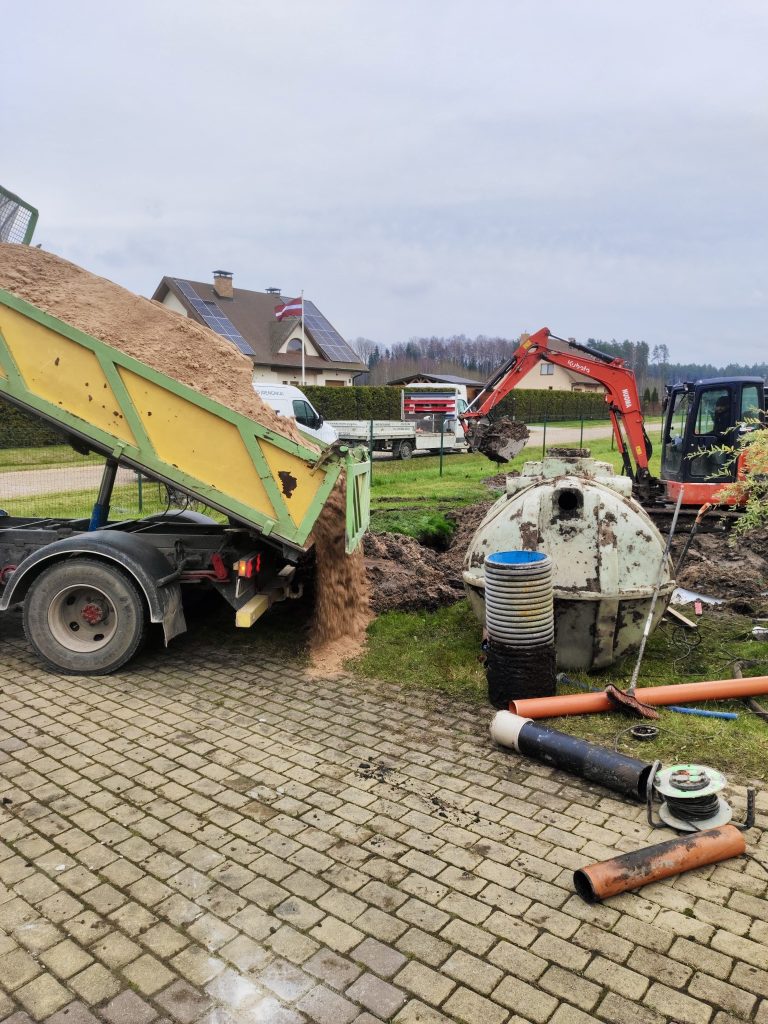
It’s important to understand that dismantling is not just “digging out the tank”. The right approach usually starts with emptying the system and removing its contents, so there is no risk of pollution during the earthworks. The system is then disconnected from the house sewer, and we assess what to do with the structure. Depending on the situation, the tank can be lifted out or properly neutralised and filled so that no subsidence occurs in the future. Finally, the pit and the ground are levelled so that the site is safe and ready for the next solution.
Why do people often switch to biological treatment?
Very often dismantling is done together with installing a new system, such as a biological wastewater treatment plant. This gives you predictable operation, less risk of odours and clear maintenance costs in a single project, and avoids a situation where the old system keeps getting “patched up” without a lasting result.