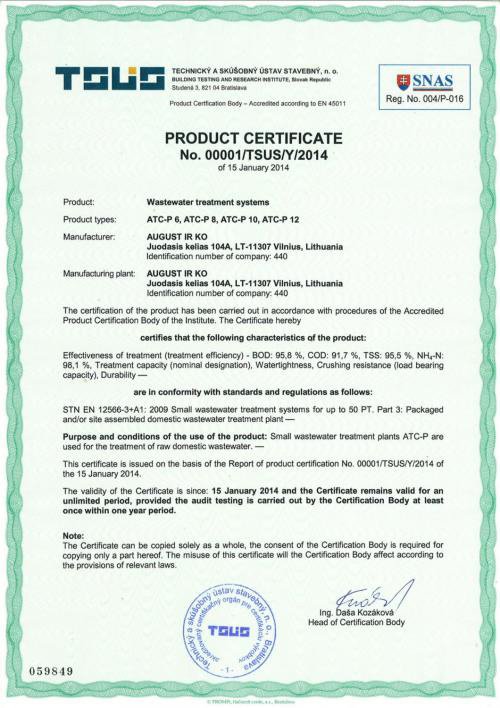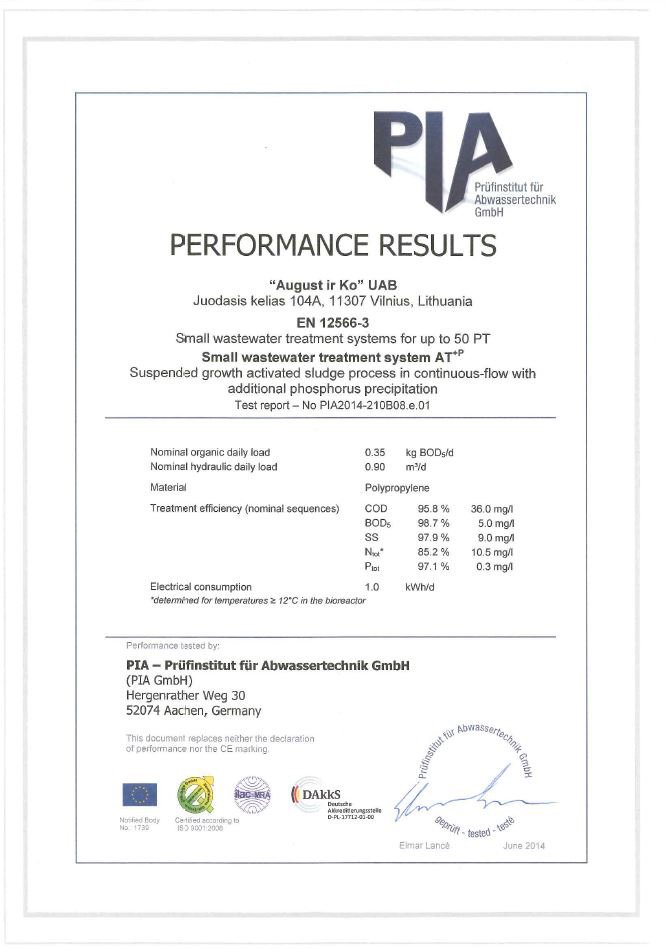
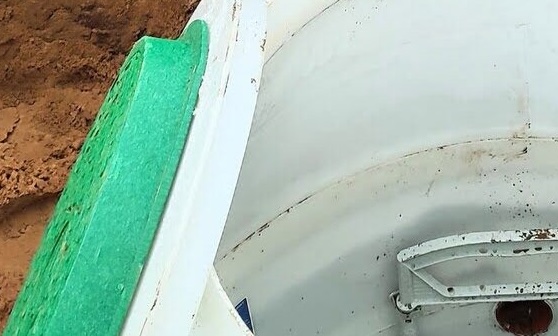
Biological wastewater treatment plants come with a manufacturer warranty, but we would like to remind you that how long a plant keeps working depends to a large extent on its owner. The more carefully the owner follows all the operating rules set by the manufacturer, the longer the plant will serve without hitches or repairs, so we encourage everyone to read the information in the plant’s manual. Also, if the customer chooses to install the plant themselves, it is very important to carry out the work according to the installation instructions; otherwise the manufacturer will not be able to provide warranty repairs.
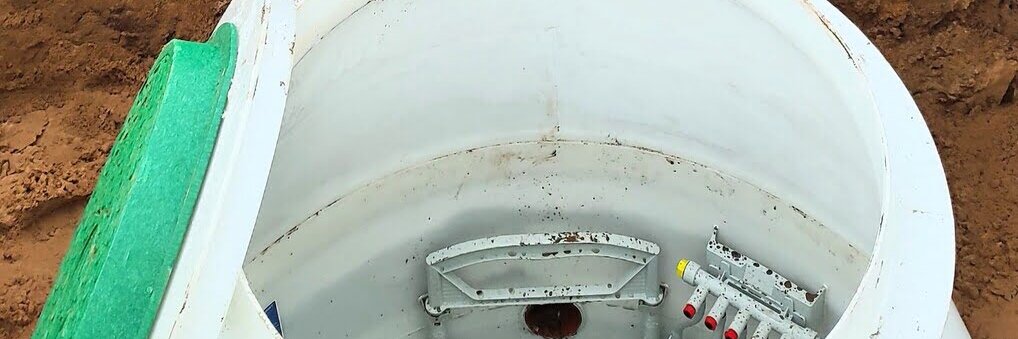
Tips for a longer-lasting, more efficient plant
Although biological treatment plants are automated and don’t need constant supervision, they must not be forgotten altogether – the owner must ensure the plant is maintained periodically. Whether to maintain the plant yourself or leave it to professionals is up to the owner, but experience shows that in today’s busy lives time flies, and customers only remember maintenance when they run into problems with wastewater treatment.
A simpler and much more convenient solution is to leave the maintenance to professionals. Ideally, once a month the owner inspects the wastewater treatment plant, checks that no sludge or foam is forming on the water surface, makes sure the aeration and flow regulator are working, and checks the solids.
If the customer notices that the compressor isn’t working, there is an unpleasant smell coming from the tank or a high concentration of foam or sludge, they should contact the manufacturer immediately and arrange the earliest possible maintenance visit. But if the plant is working as it should and nothing out of the ordinary is observed, an annual visit from a technician, during which all the necessary maintenance is carried out, will be enough. So that you can be sure maintenance is carried out regularly enough, all technical maintenance work must be recorded in the plant’s maintenance documents.
What can harm the operation of a biological wastewater treatment plant?
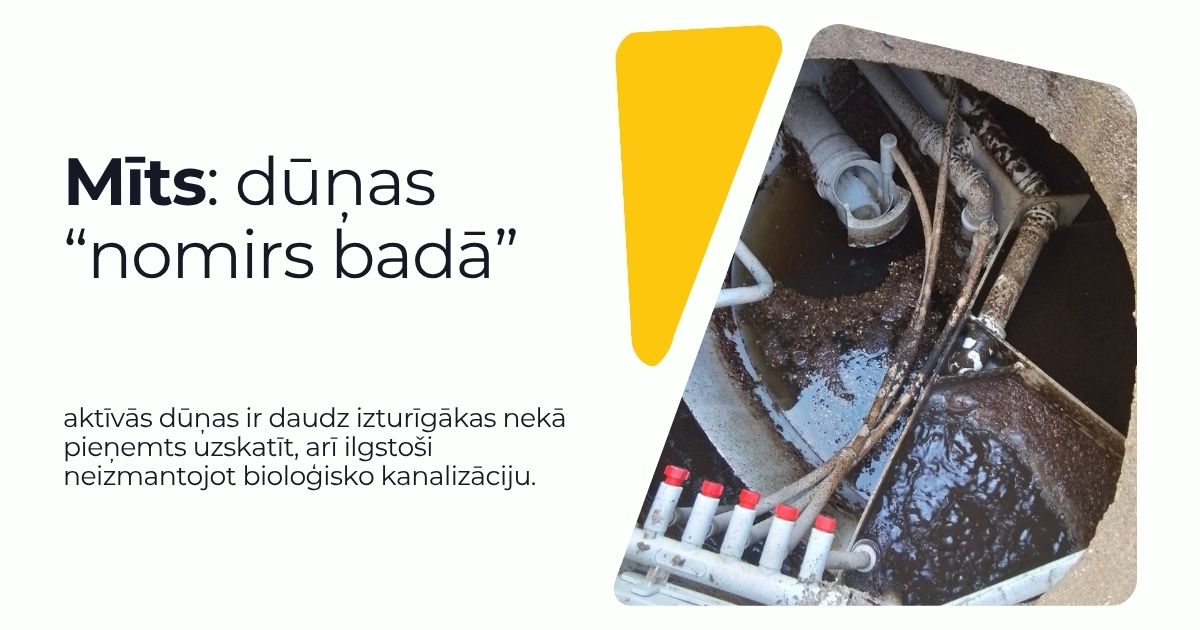
How the plant works depends directly on what goes into it. Since wastewater is treated by bacteria, which are living organisms, remember that chemicals such as solvents, paints, acids and varnishes cause the sludge to die off irreversibly. Likewise, plastic, hygiene products, wet wipes and other items that don’t dissolve in water should not be flushed down the drain. Take particular care if there are children in the house, as children like to experiment and see what can be flushed down the toilet.
It’s a misconception that food waste can go down the drain – many of us think it’s perfectly normal to flush food scraps down the toilet, because what harm could it do? In fact, food waste can pose a serious threat to the whole sewerage system. Oil hardens on the pipe walls and causes blockages in the pipes and also hampers the treatment plant. Foods such as flour, rice, pasta and coffee grounds swell in water and can both clog pipes and hamper the biological treatment plant, so we recommend keeping food waste out of the sewer.
LZT Latvia is one of Latvia’s leading wastewater treatment companies, with more than ten years of experience. If you have any questions about operating biological treatment plants and how they work – give us a call!