Mon–Fri 8:00–17:00 Consultations: +371 20 010 699 Maintenance: +371 29 997 166

admin

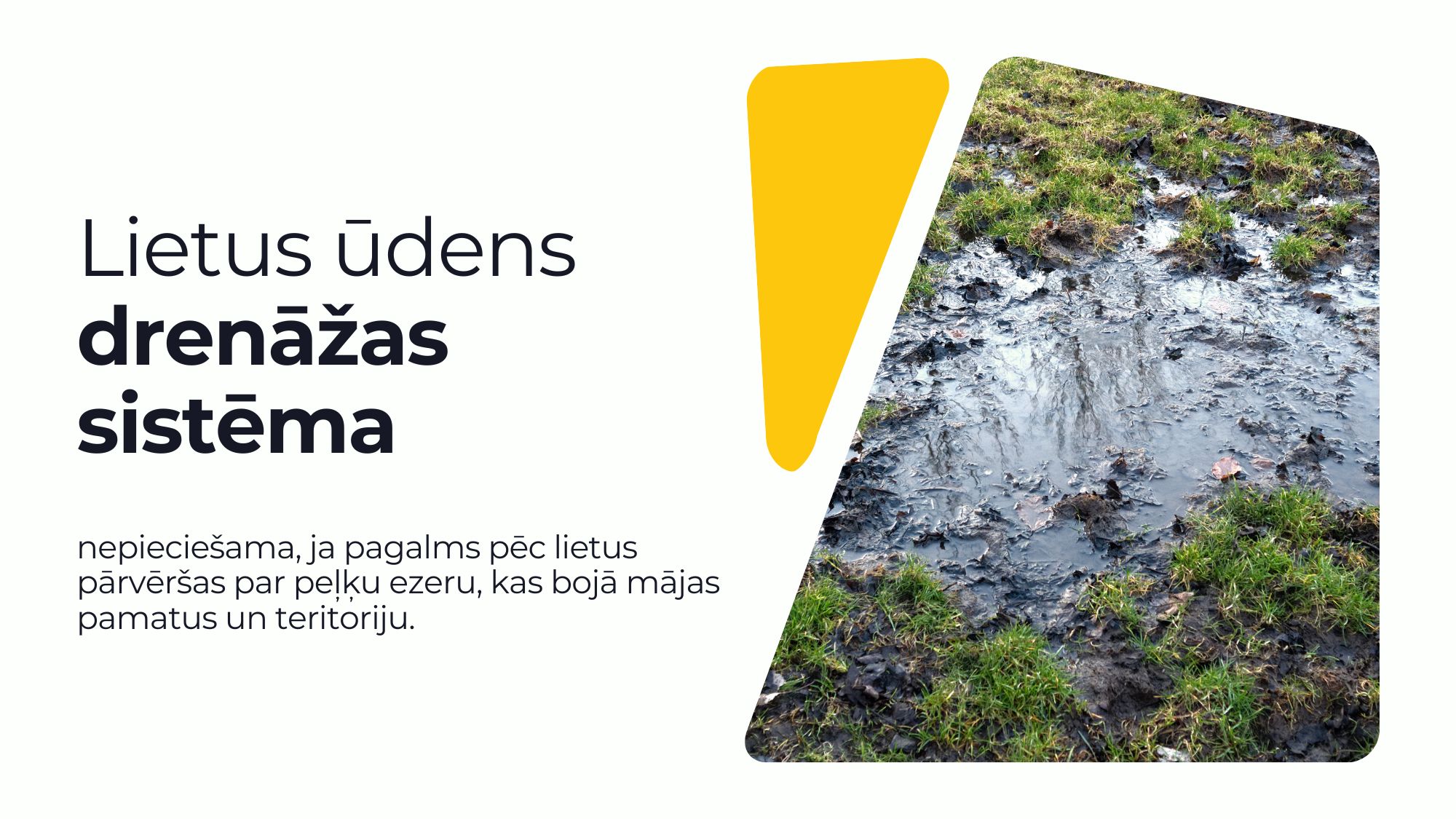
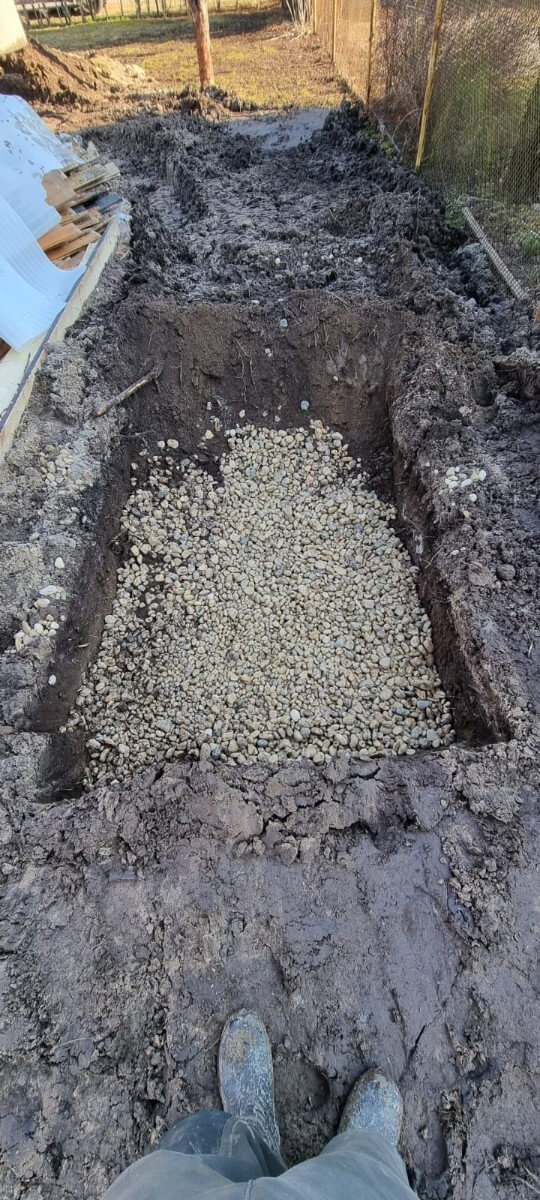
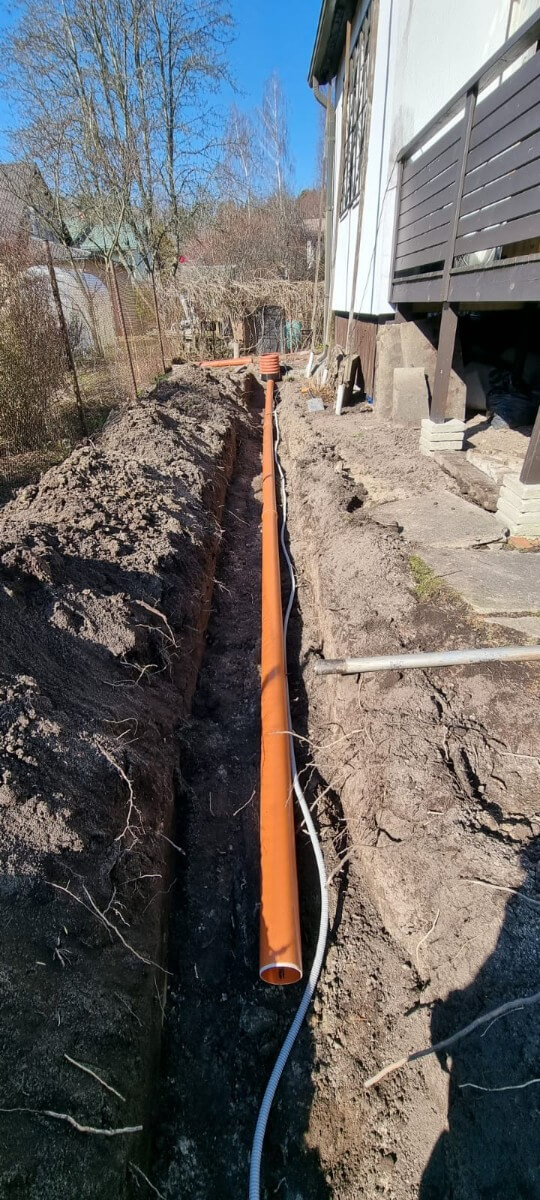
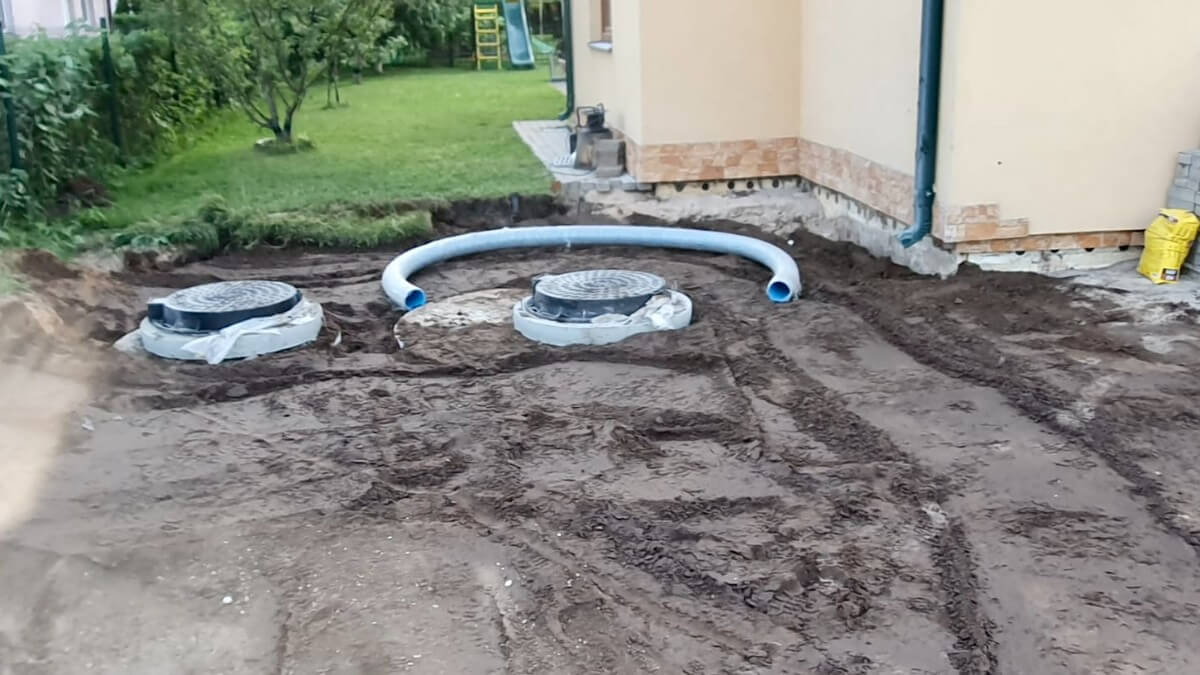
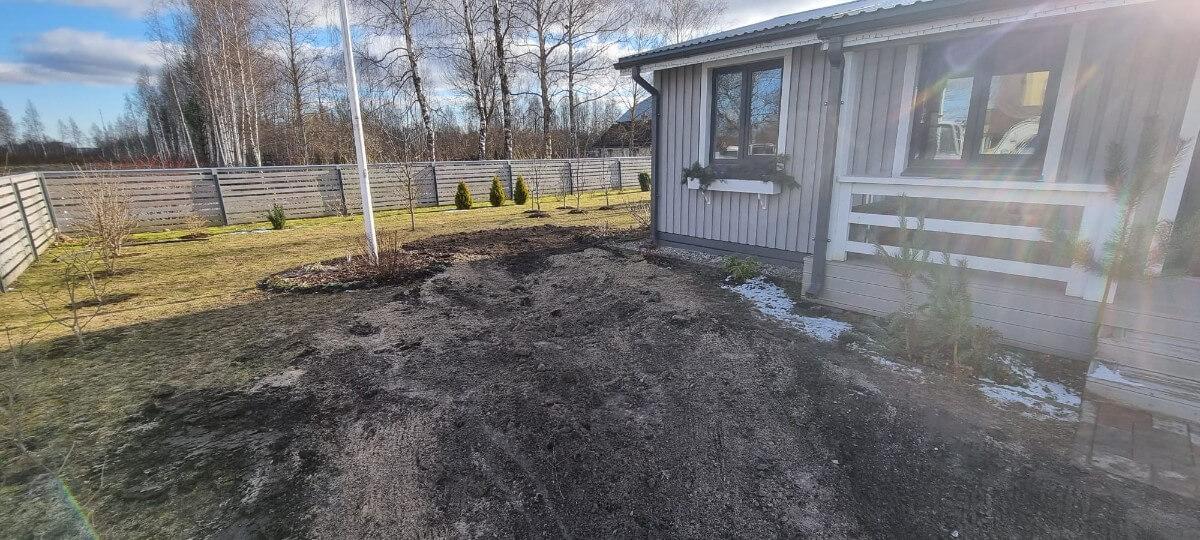
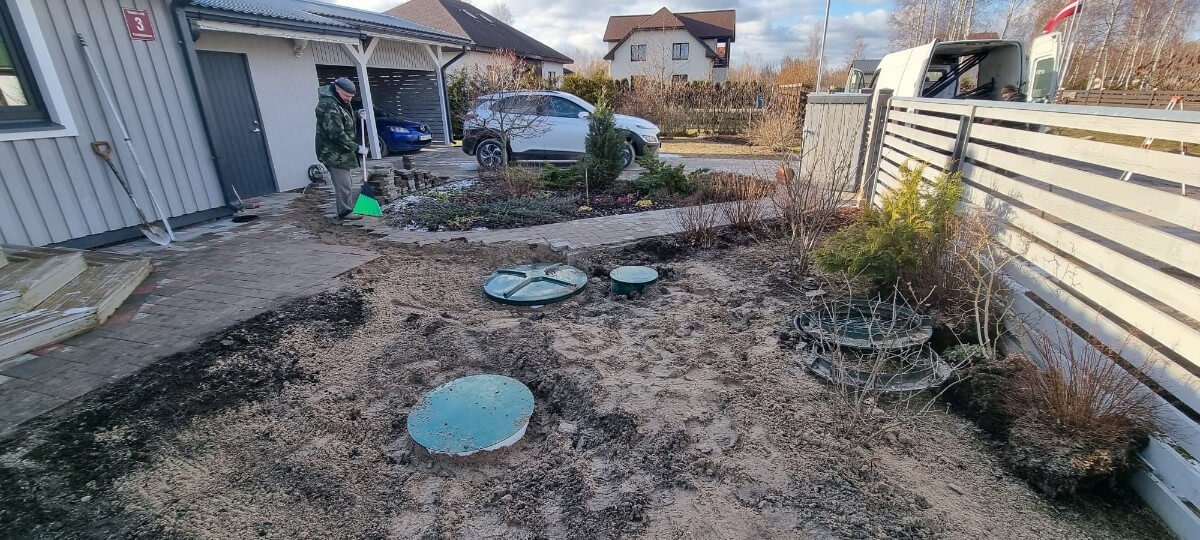
  • Standing water in the yard after rain? Stormwater drainage will help!

    Standing water in the yard after rain? Stormwater drainage will help!

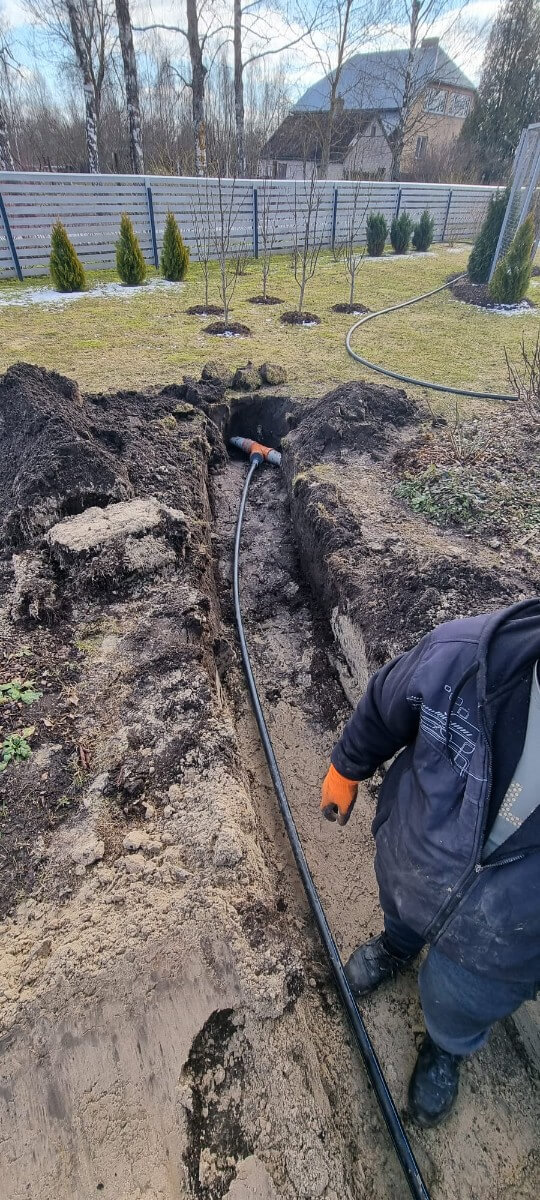
    Does your yard turn into a lake of puddles after rain? Standing water isn’t just a nuisance – it also threatens your home’s foundations and landscaping. Effective stormwater drainage is the solution that stops water damaging your property and makes the yard safe and pleasant to use.

    Why does a private house need stormwater drainage?

    1. Foundation protection
    Correctly draining water from the roof and the ground around the house protects the foundations from moisture and cracks. A drainage system keeps the foundations dry, extending the life of the house.

    2. Landscaping
    Standing water damages lawns, garden plants and paved surfaces. Proper drainage prevents puddles and keeps the yard looking tidy and working all year round.

    3. Longer-lasting paving
    Incorrectly drained water can lift paving stones or wash out their base, especially in winter when frost makes water expand. A drainage system ensures paved surfaces keep their shape and last for years.

    How can LZT help?
    We offer complete drainage system construction for private houses – from design and choice of materials to full installation. Our specialists will assess the specifics of your yard and offer the best solution to fix water problems effectively and for the long term.

    Don’t let standing water damage your home! Book a free consultation with our experts today and find out how to keep your yard dry.

    Frequently asked questions

    Can rainwater be discharged into a ditch?
    Discharging rainwater into a ditch is only allowed in certain cases. If the ditch belongs to the municipality or the state, approval from the relevant authority is needed. You must also make sure no harm is done to neighbouring properties or the environment. Infiltrating rainwater on your own plot is often a safer and more sustainable solution than discharging it directly into a ditch.
    What should I do if water stands in the yard after every rain?
    If water regularly stands in the yard, the drainage is insufficient or incorrect. In that case we recommend: assessing the terrain and soil composition; checking whether the existing drainage works at all; installing drainage; if needed, building an infiltration well or rainwater collection system. Solving the problem in time protects not only the yard but also the house foundations.
    Will drainage help the foundations?
    Yes – drainage is one of the most important elements in protecting foundations. It carries excess moisture away from the building, reducing the risk of foundation cracks, moisture build-up and heat loss. A properly built drainage system significantly extends the life of a building and reduces future repair costs.
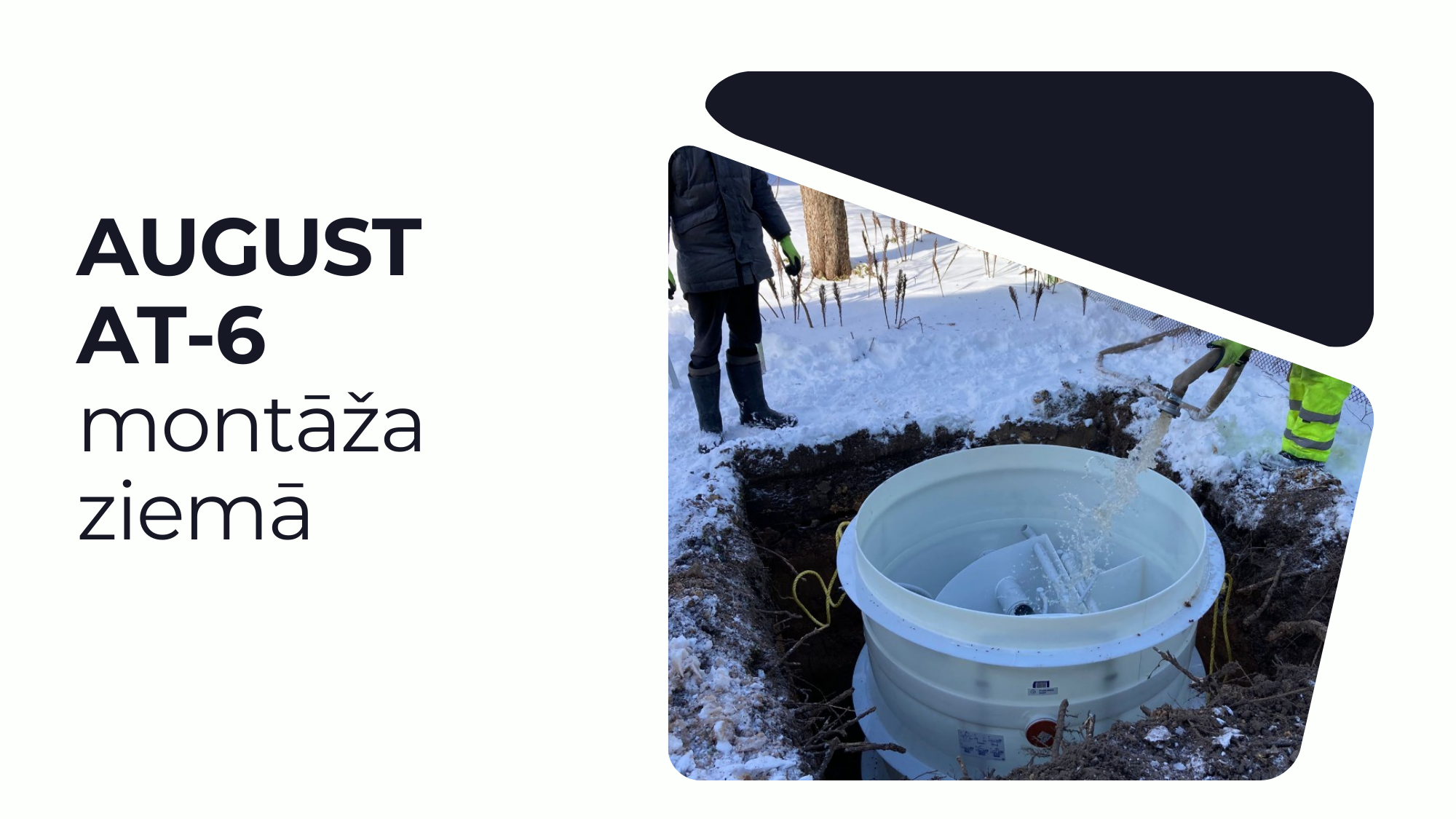
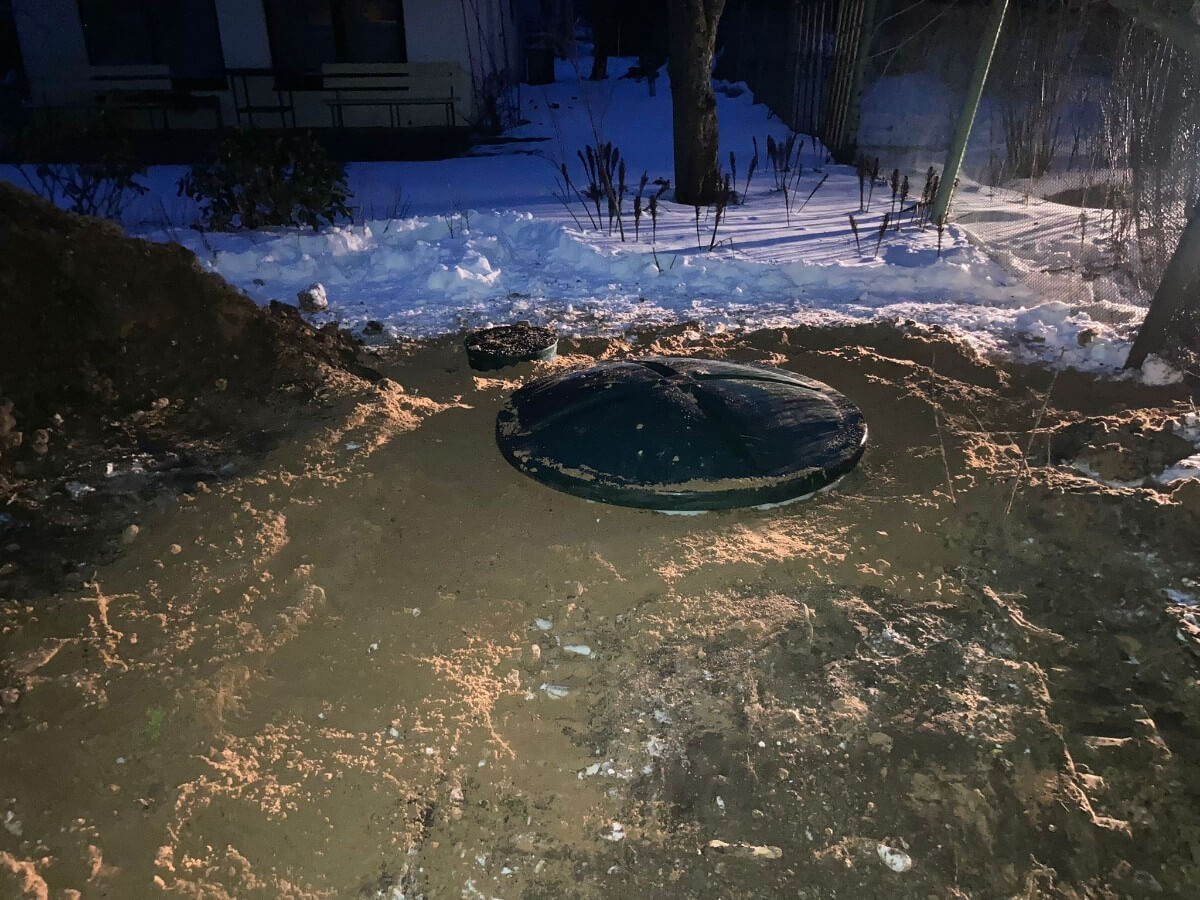
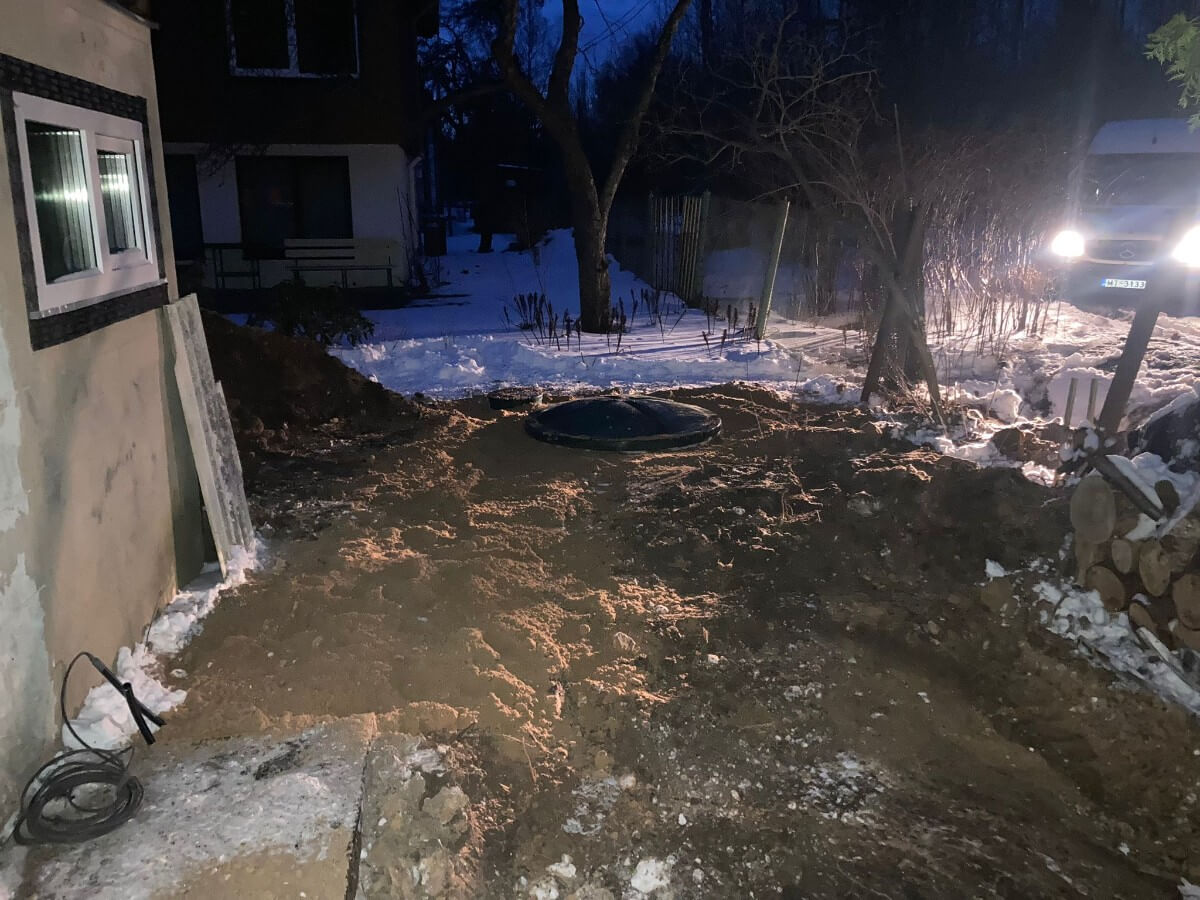
  • AT-6 wastewater treatment plant installation in winter

    AT-6 wastewater treatment plant installation in winter

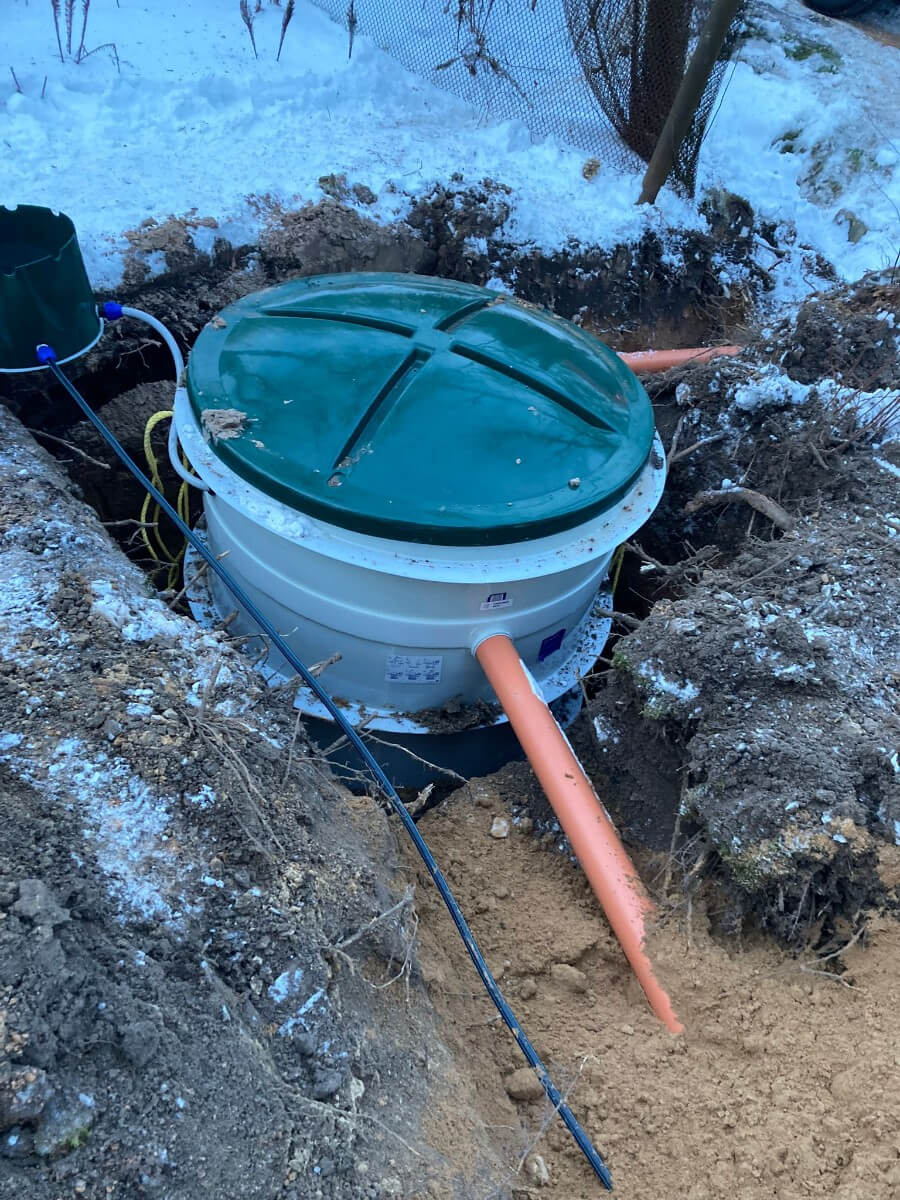
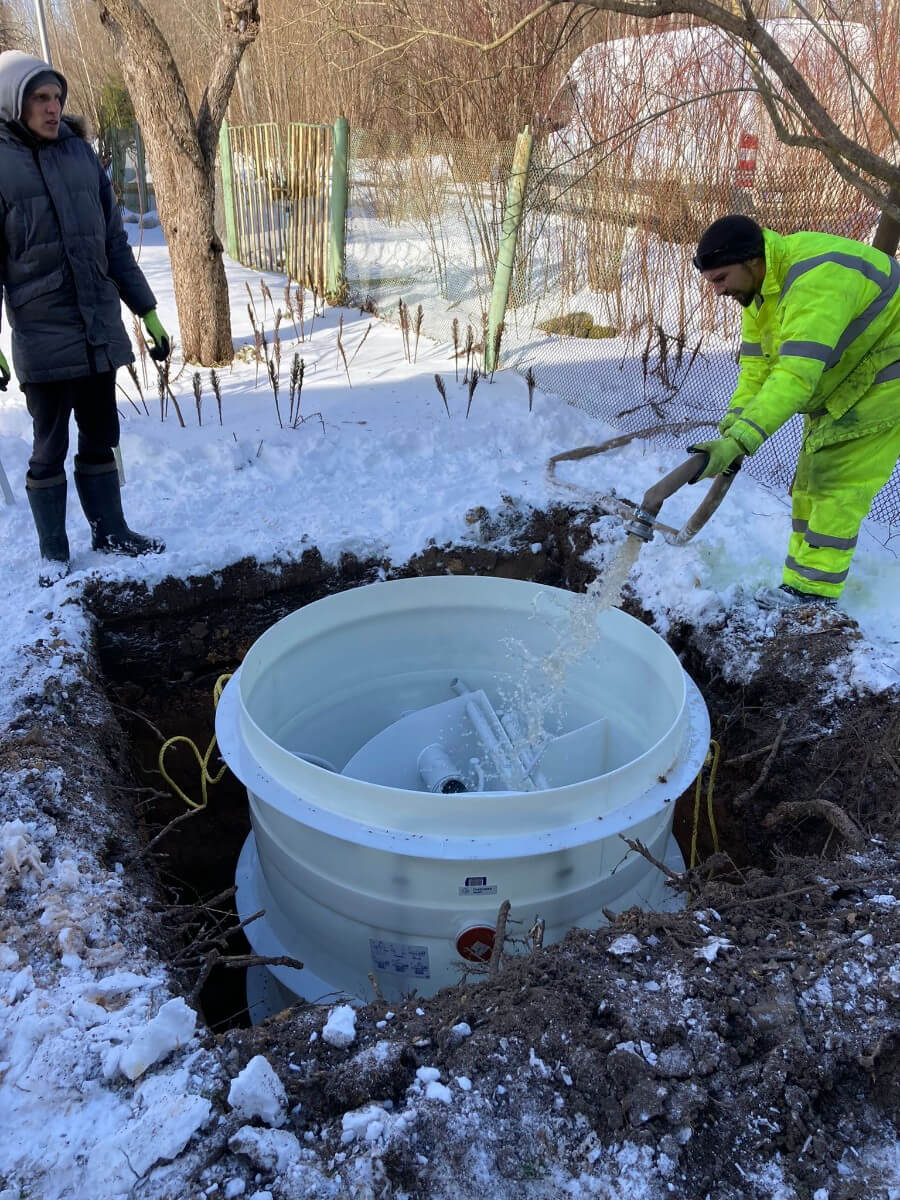
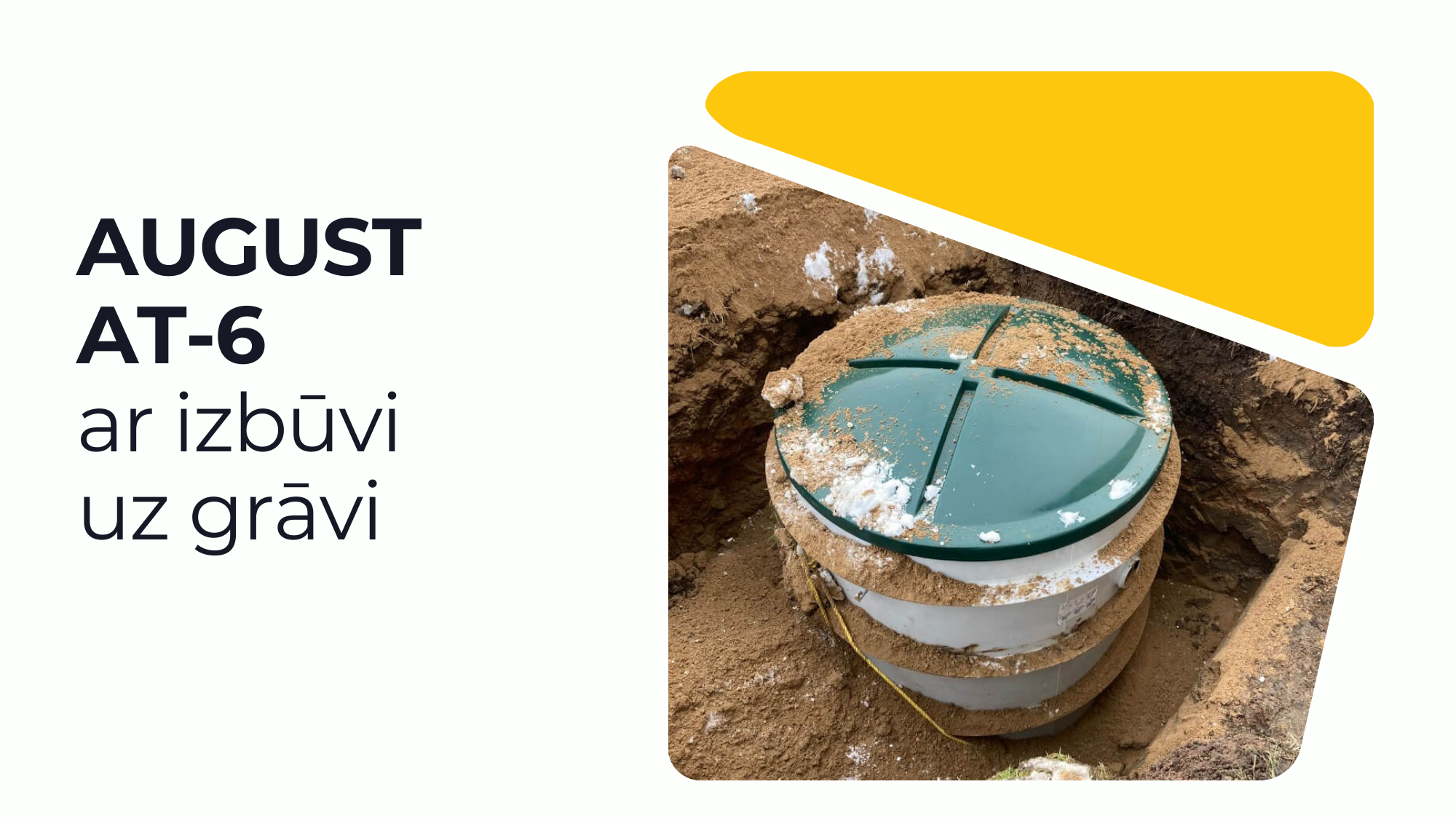
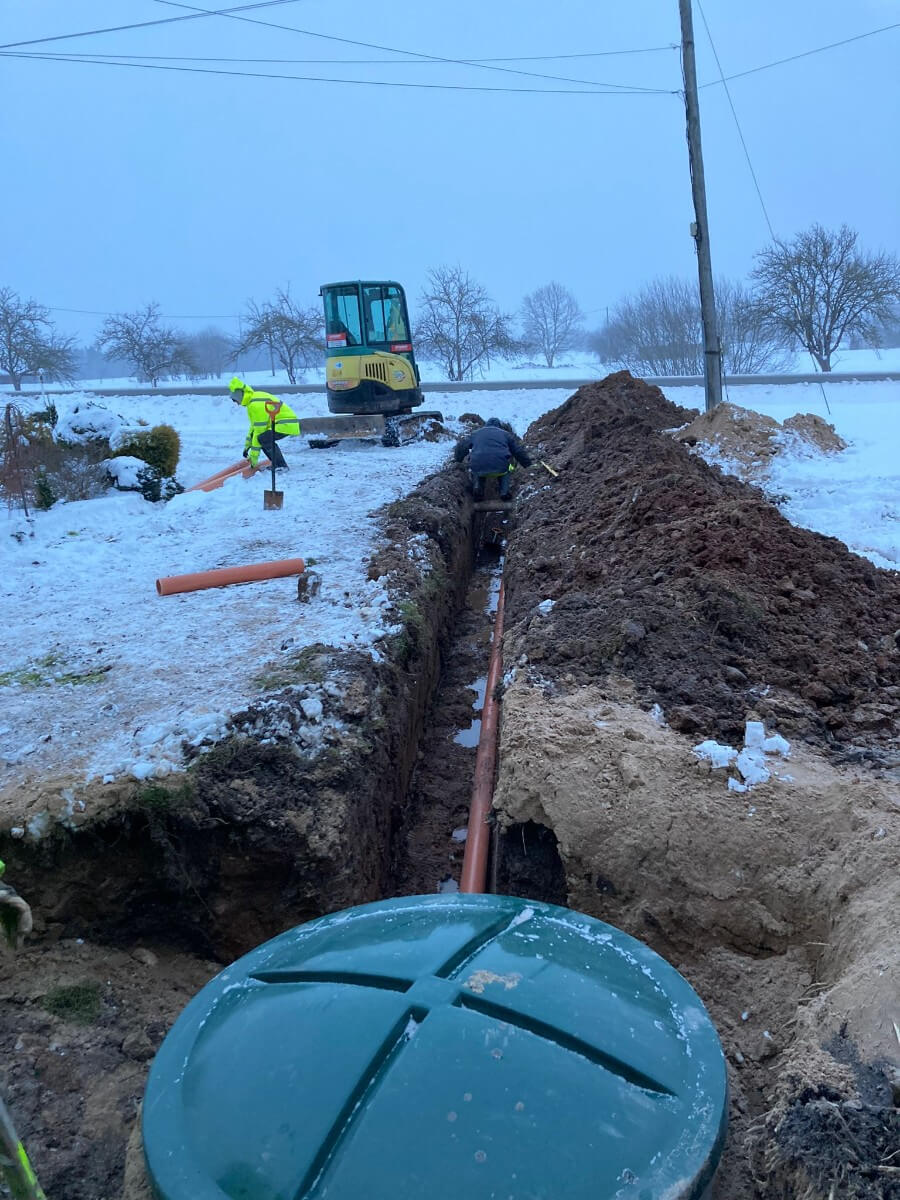
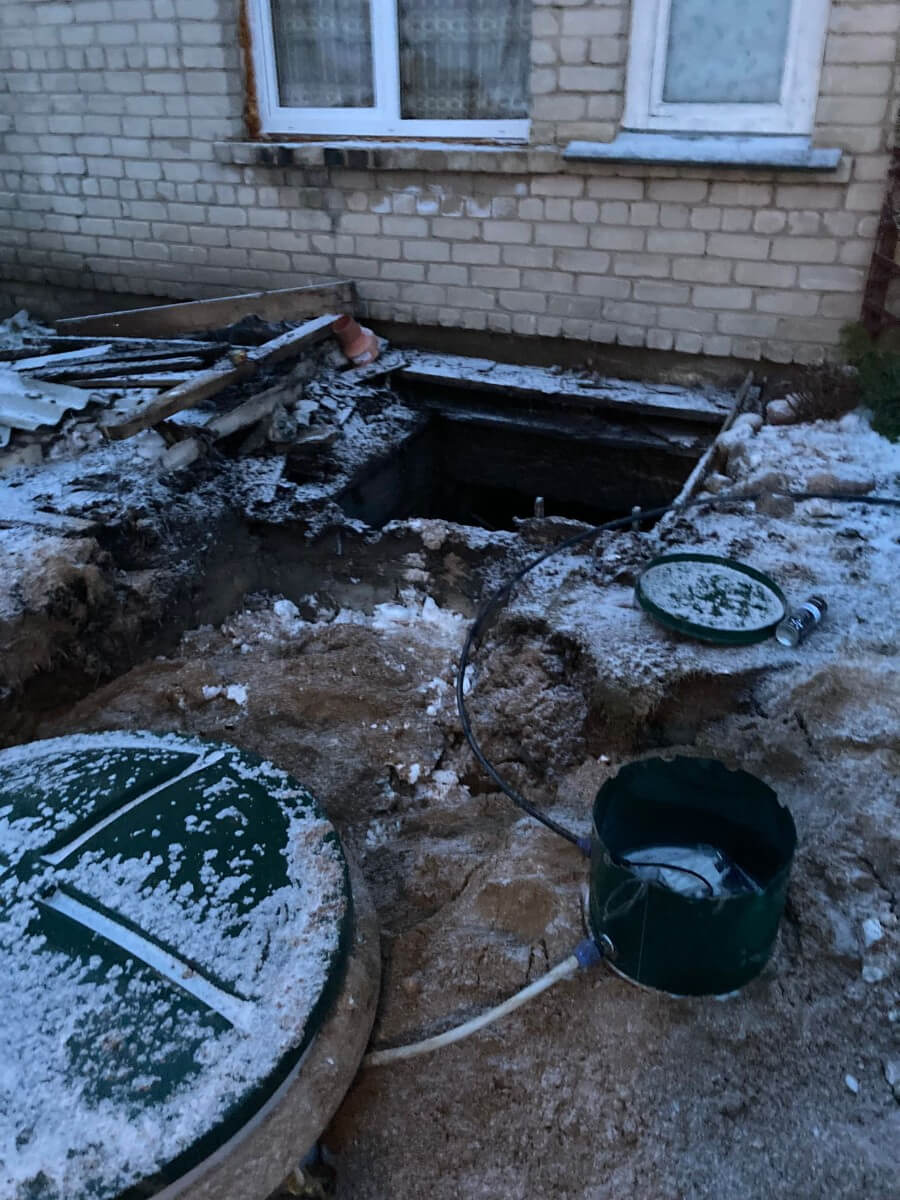
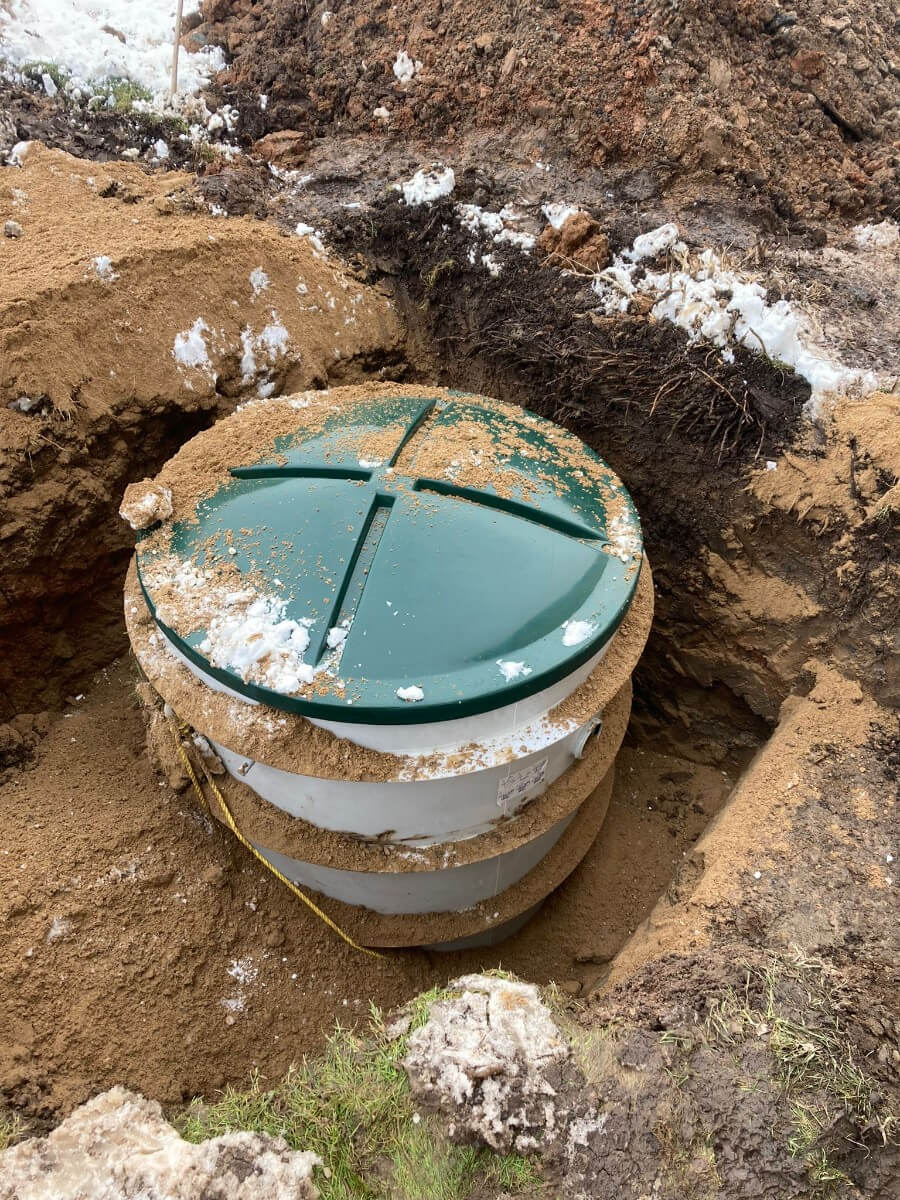
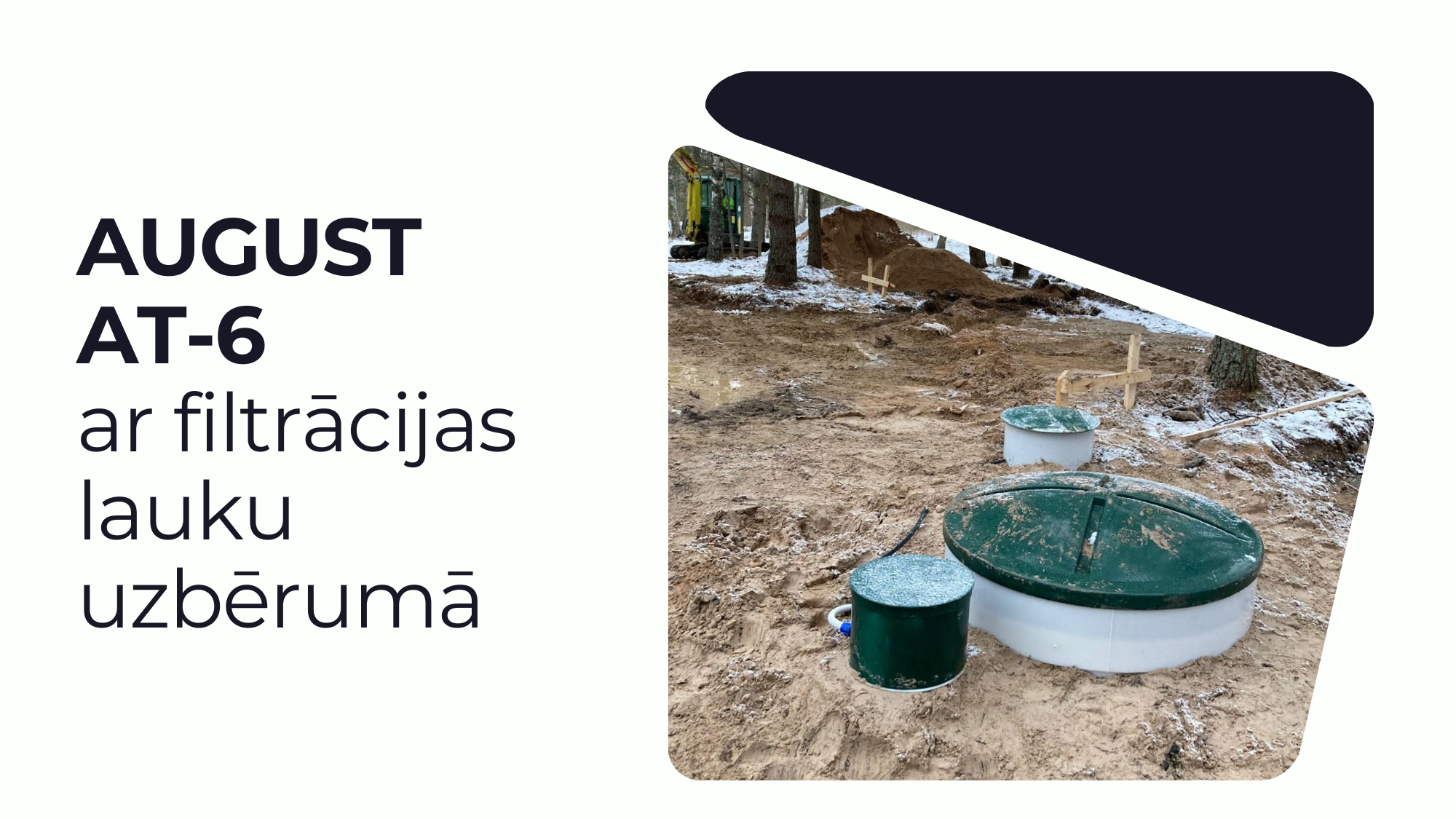
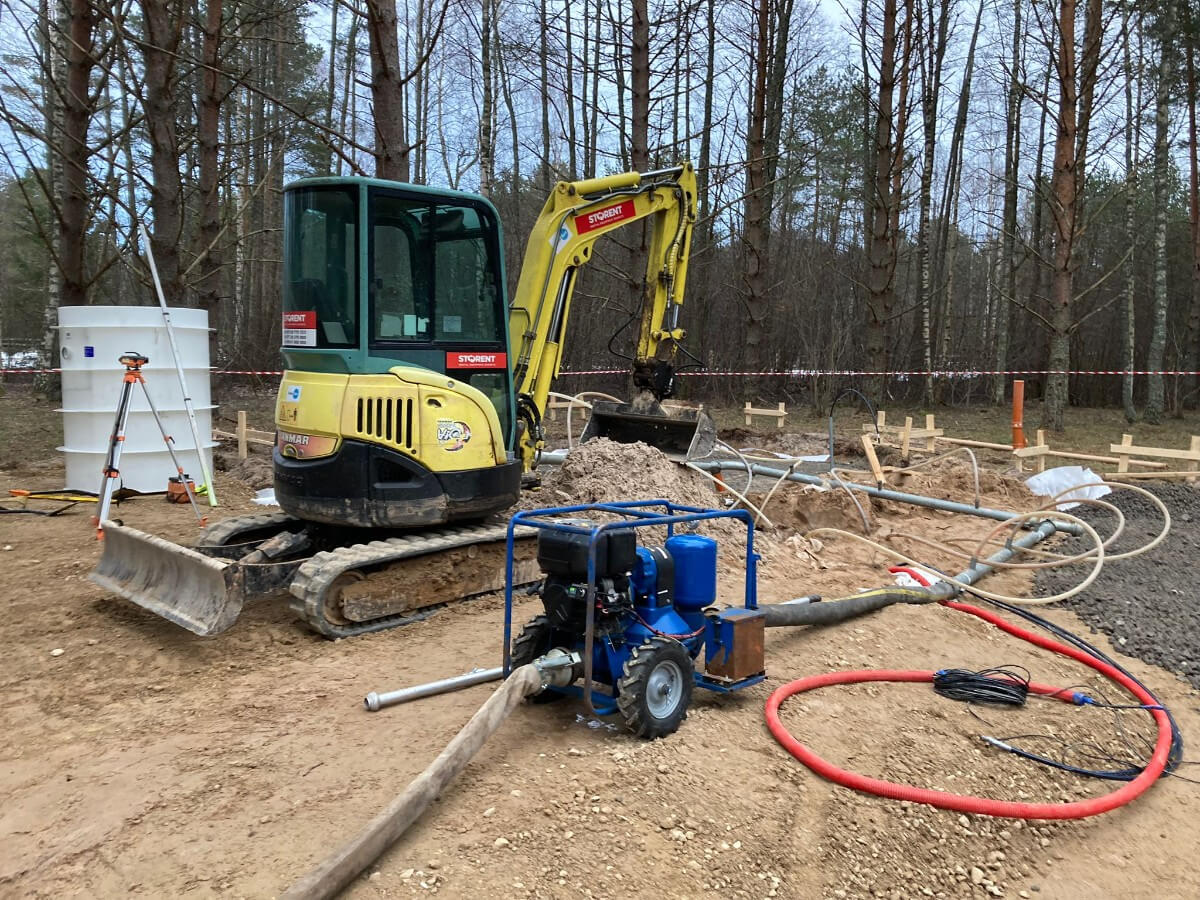
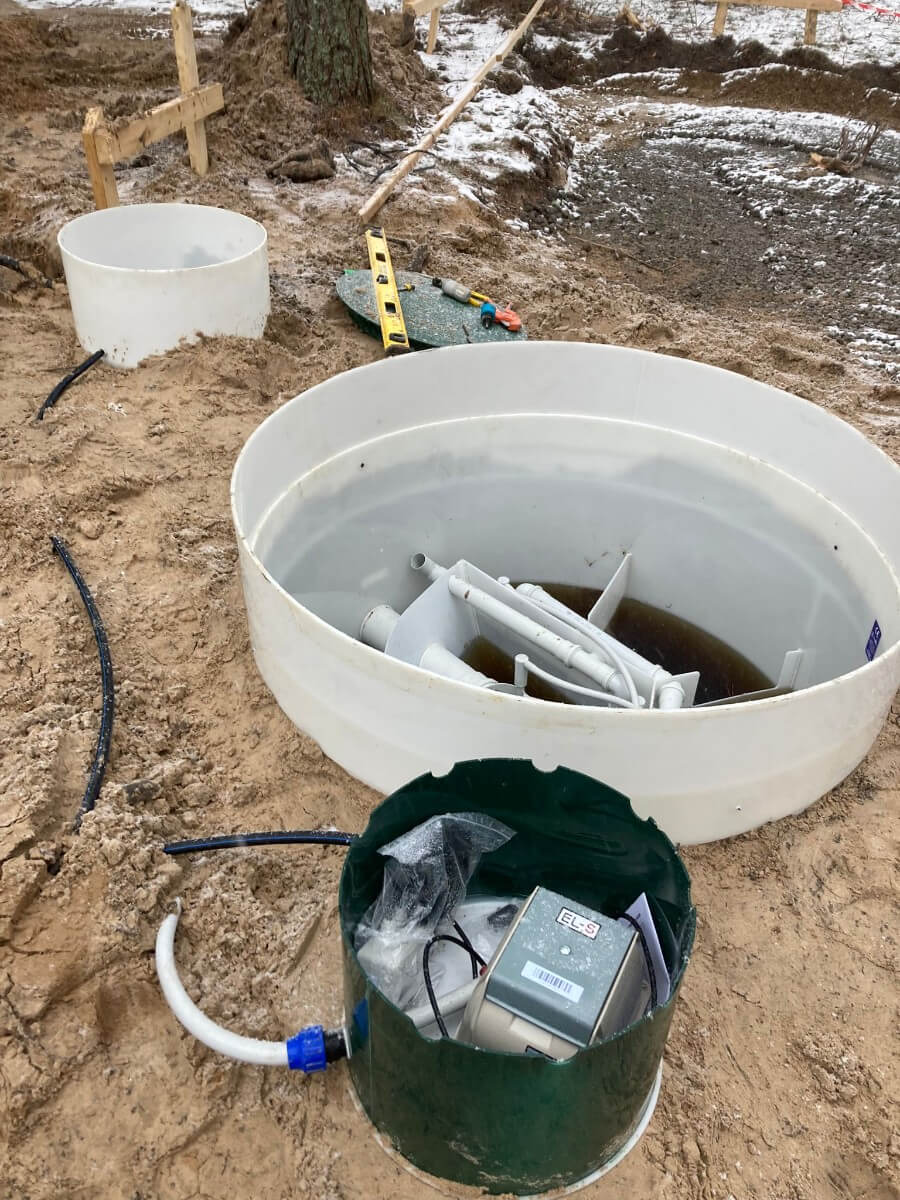
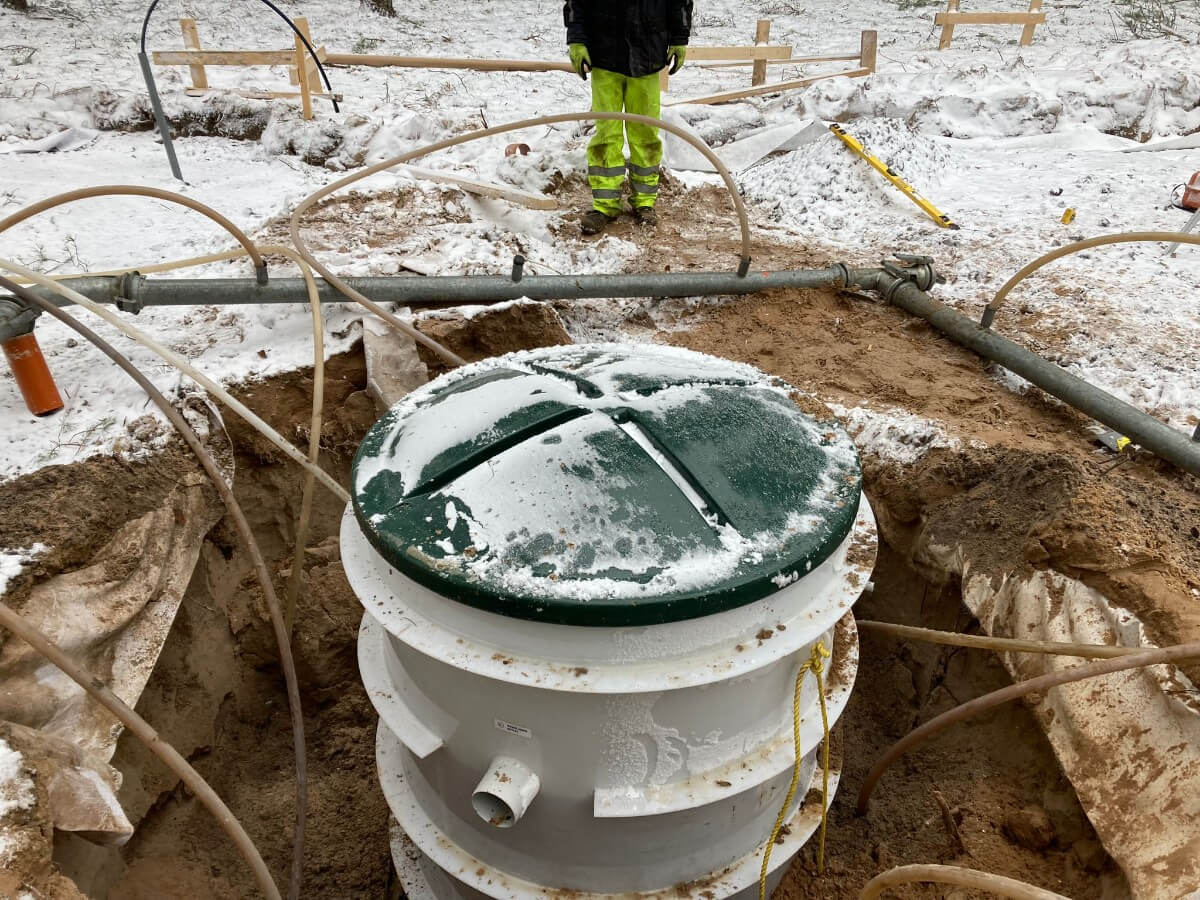
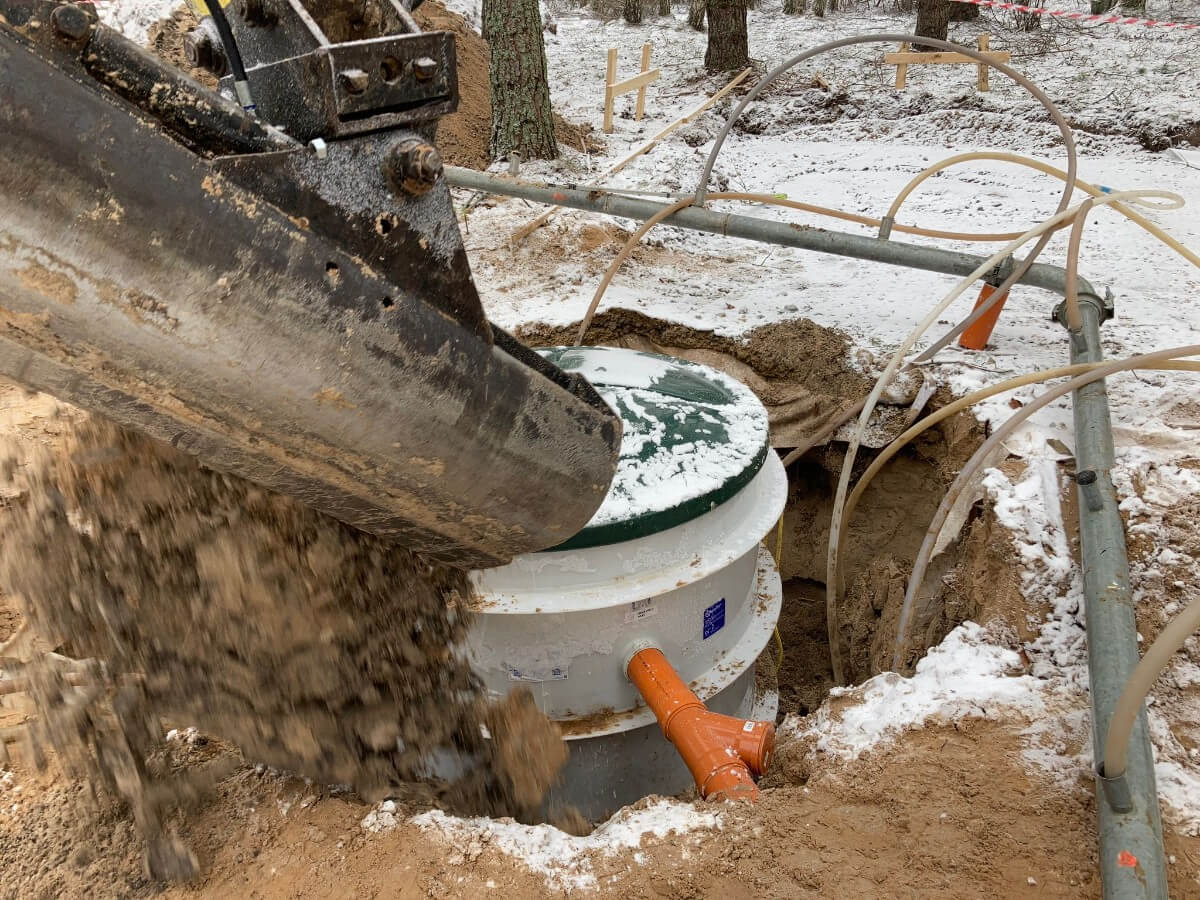
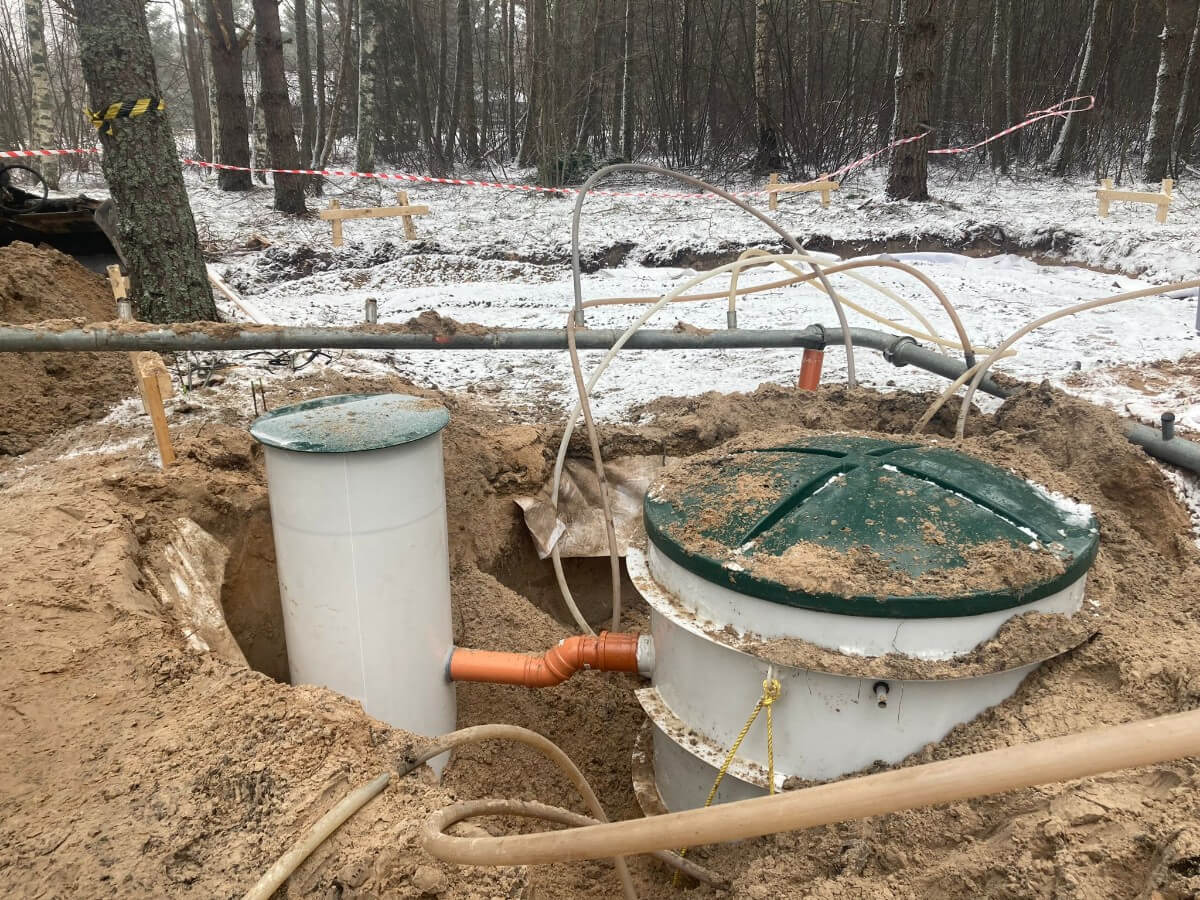
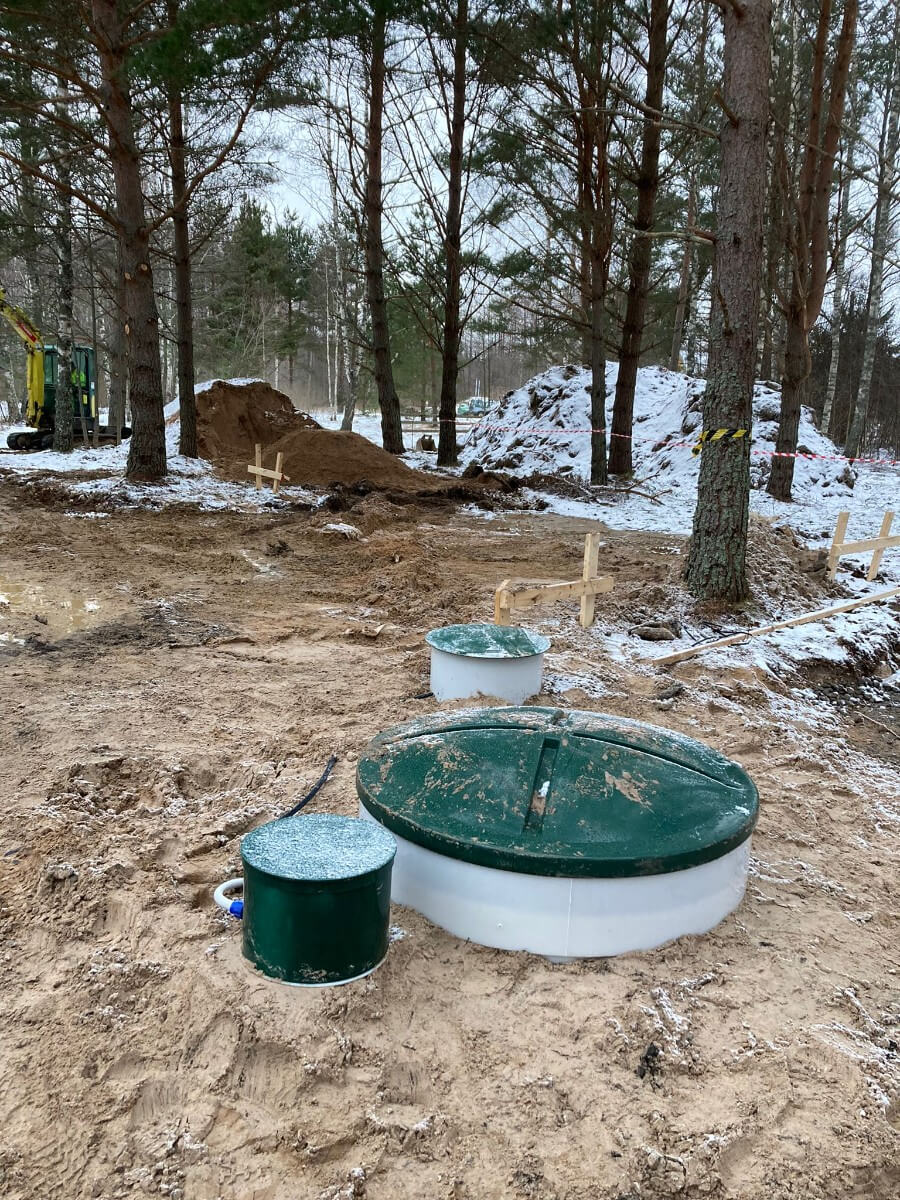
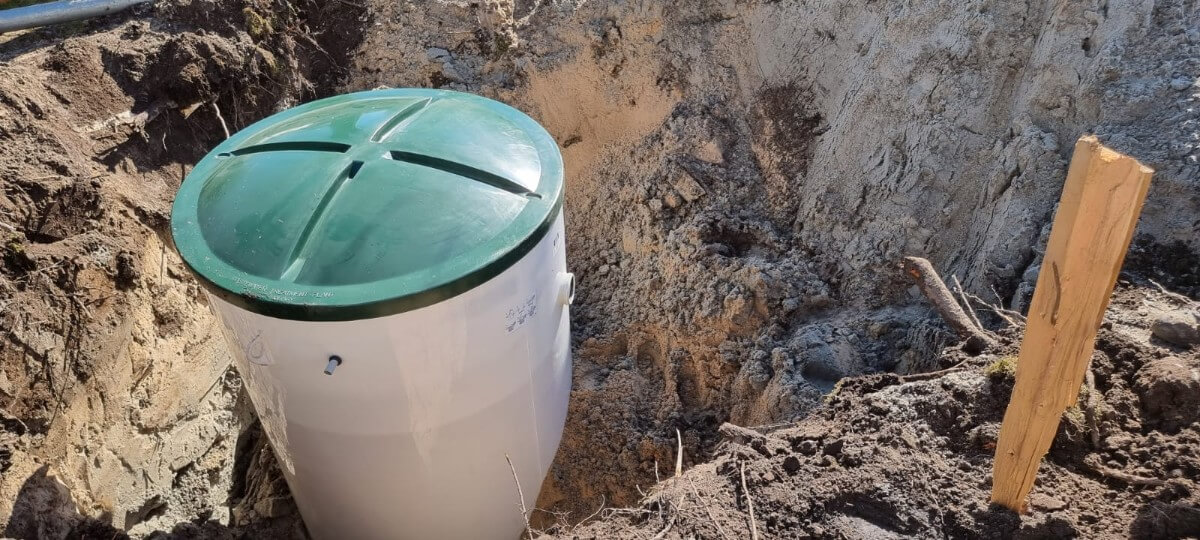
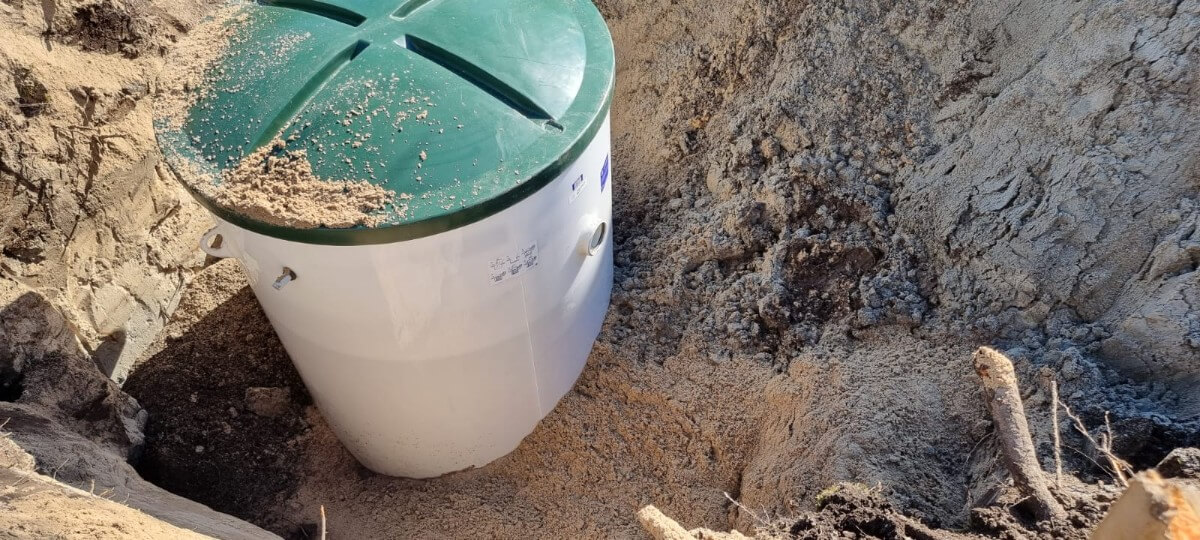
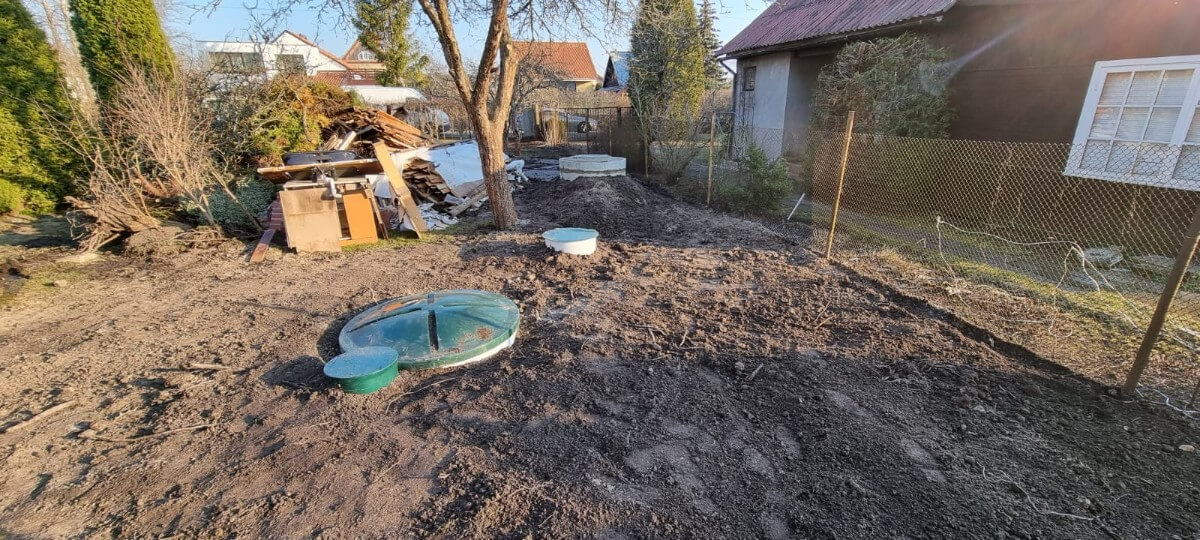
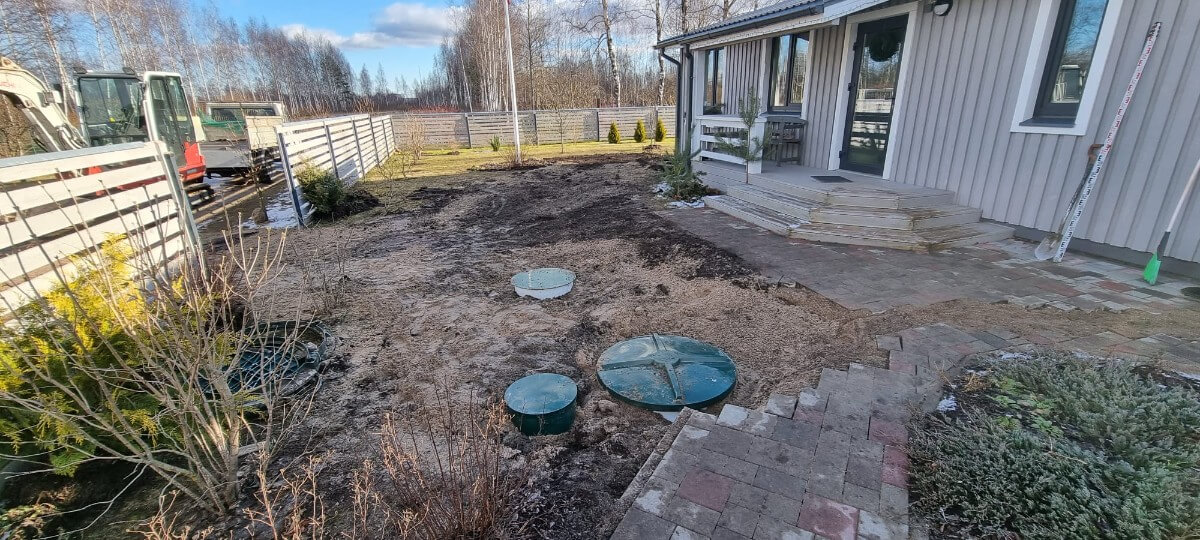
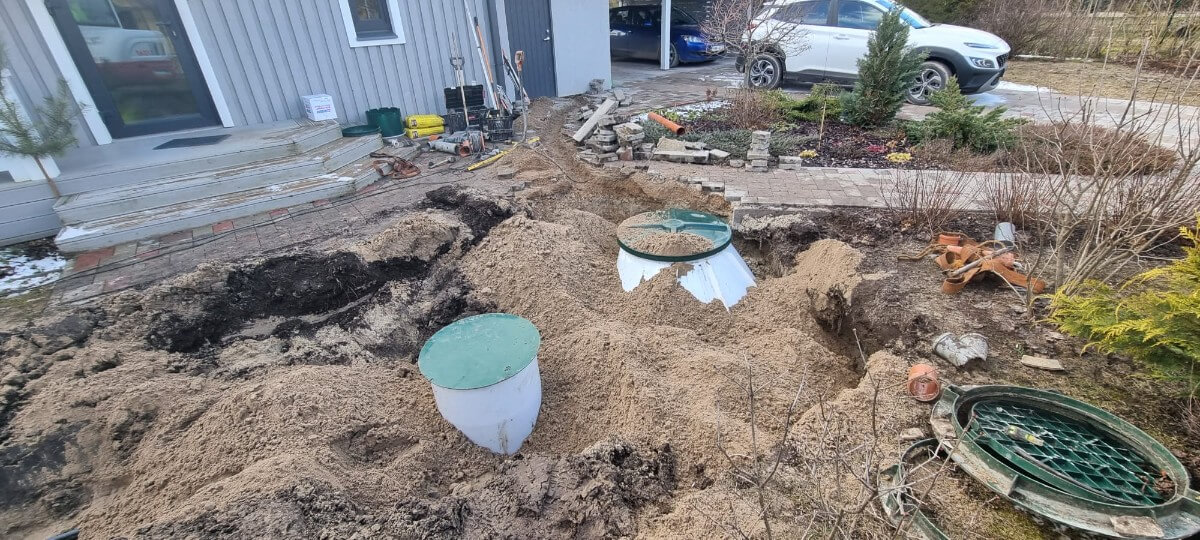
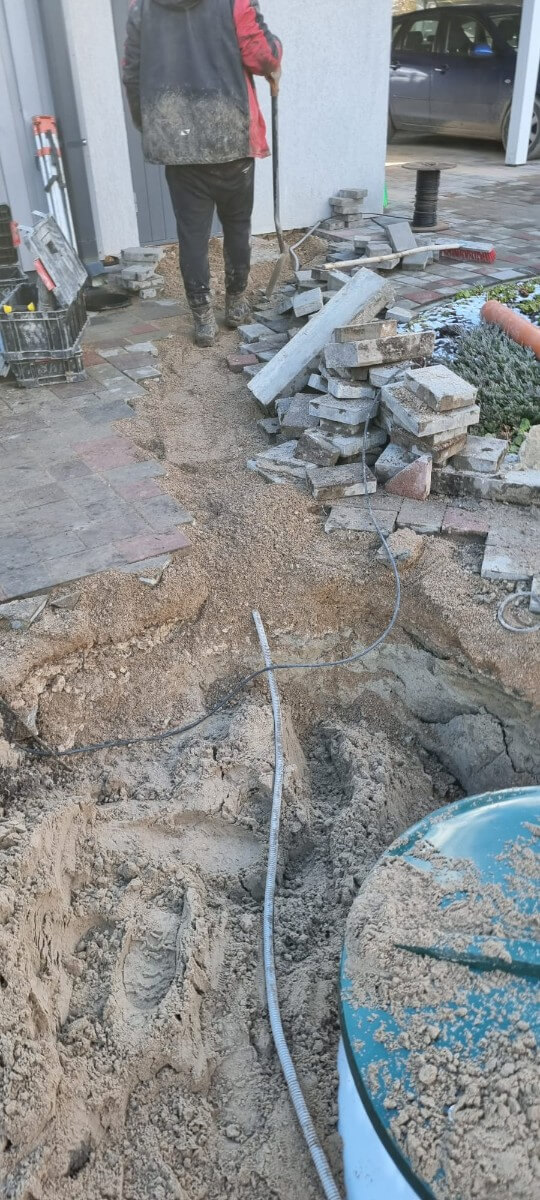
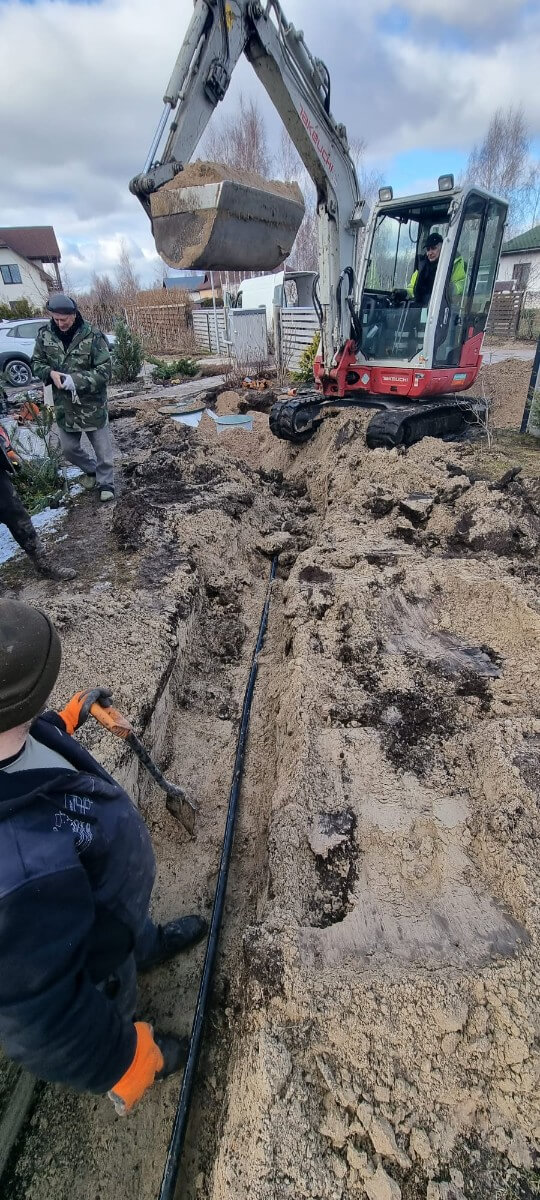
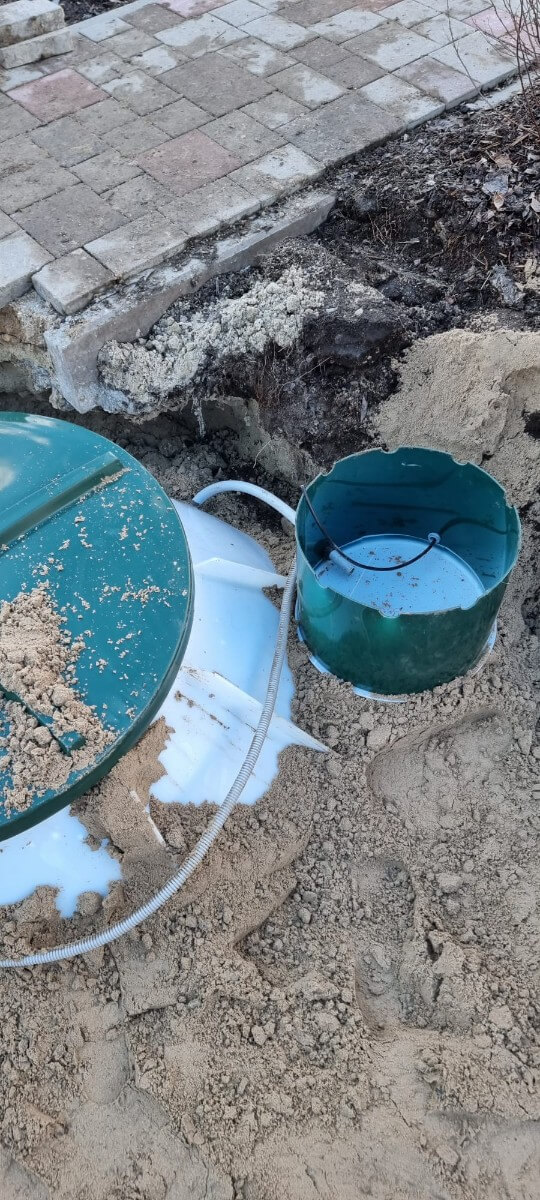
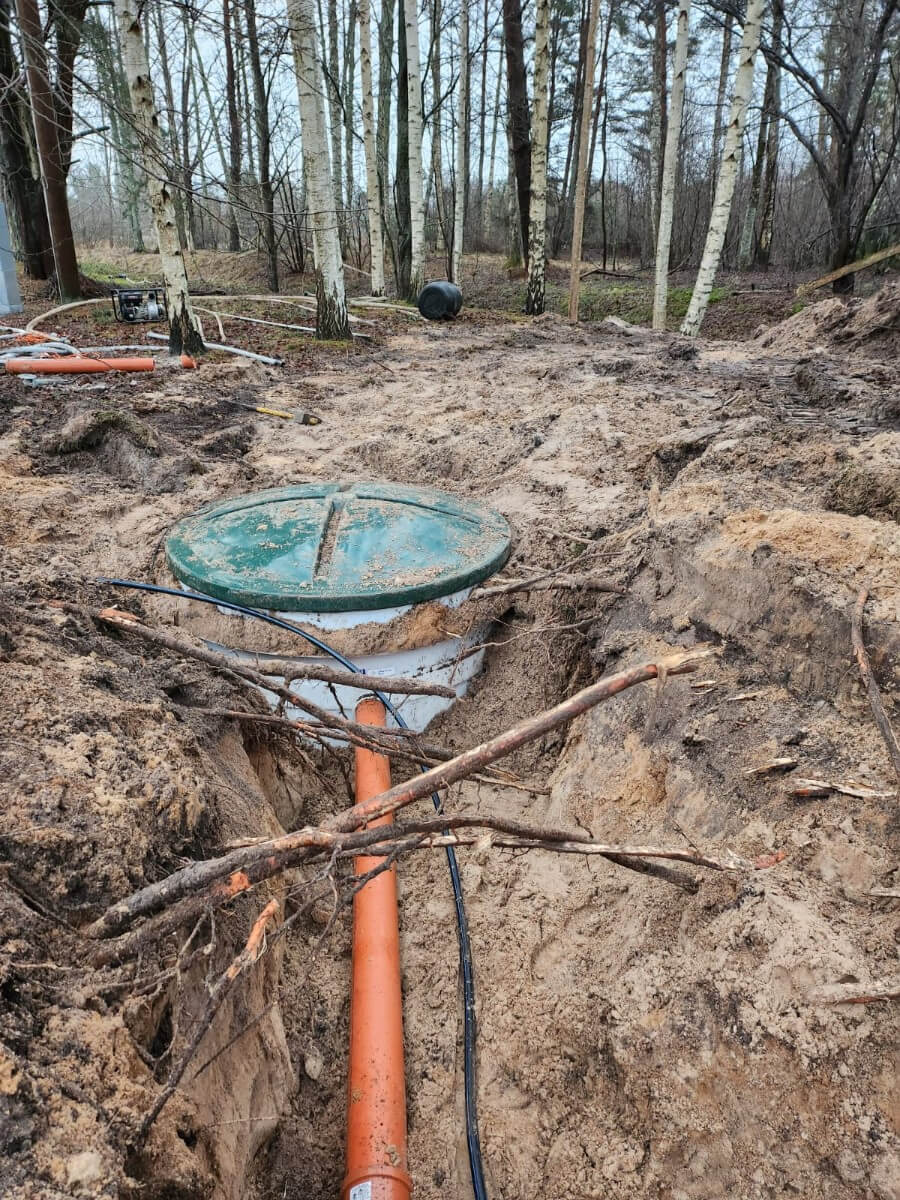
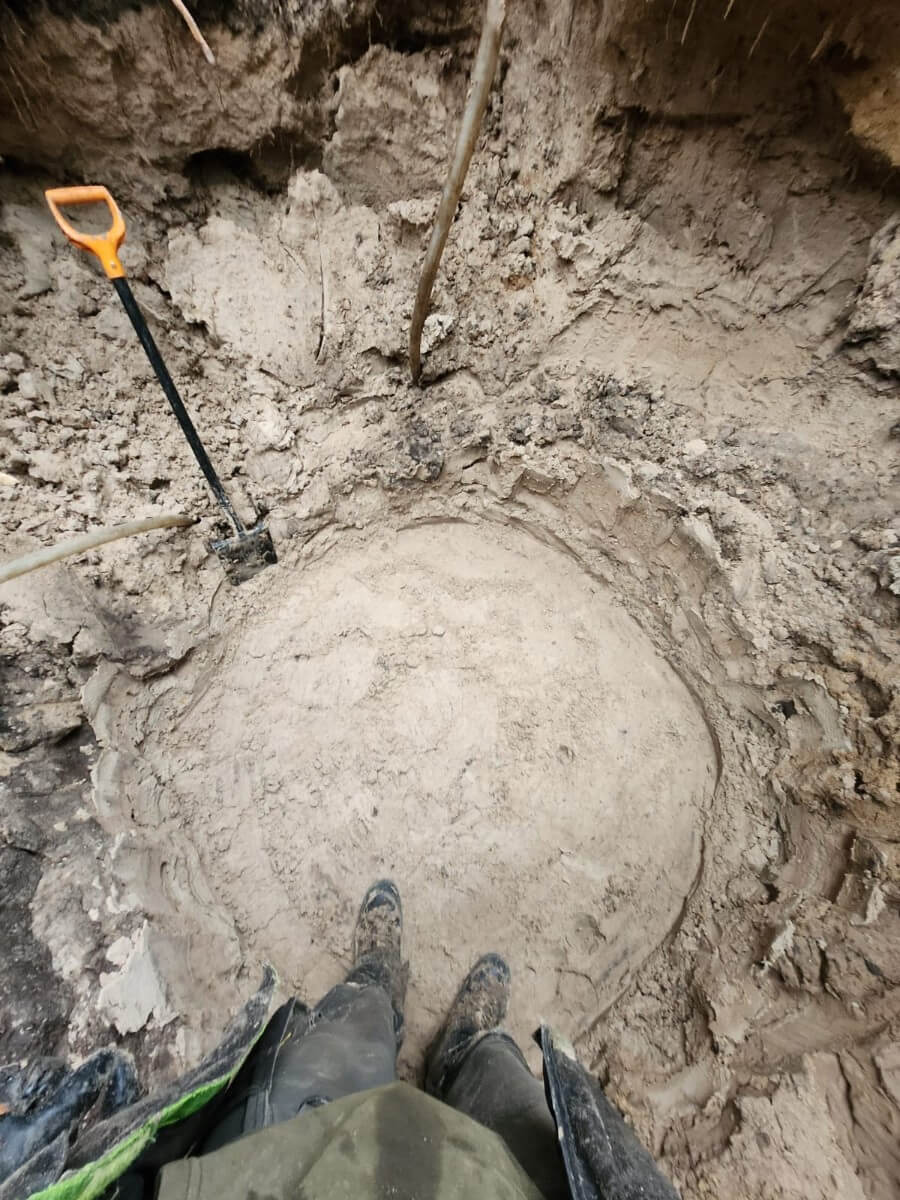
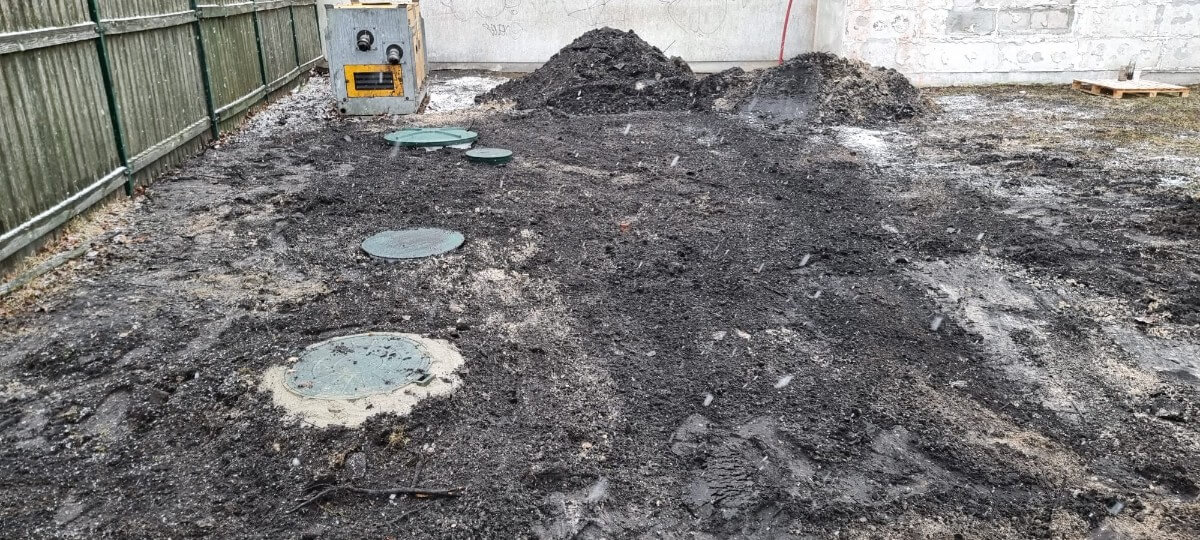
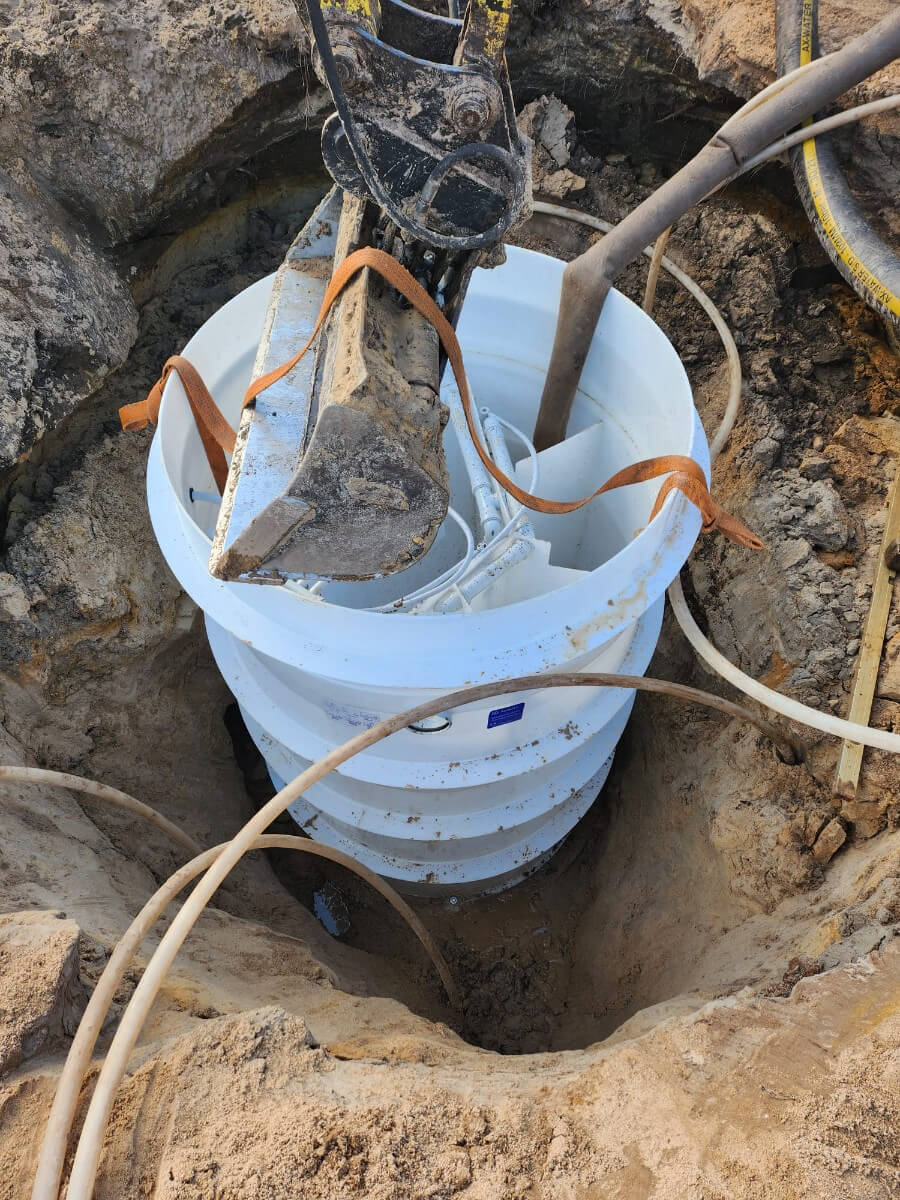
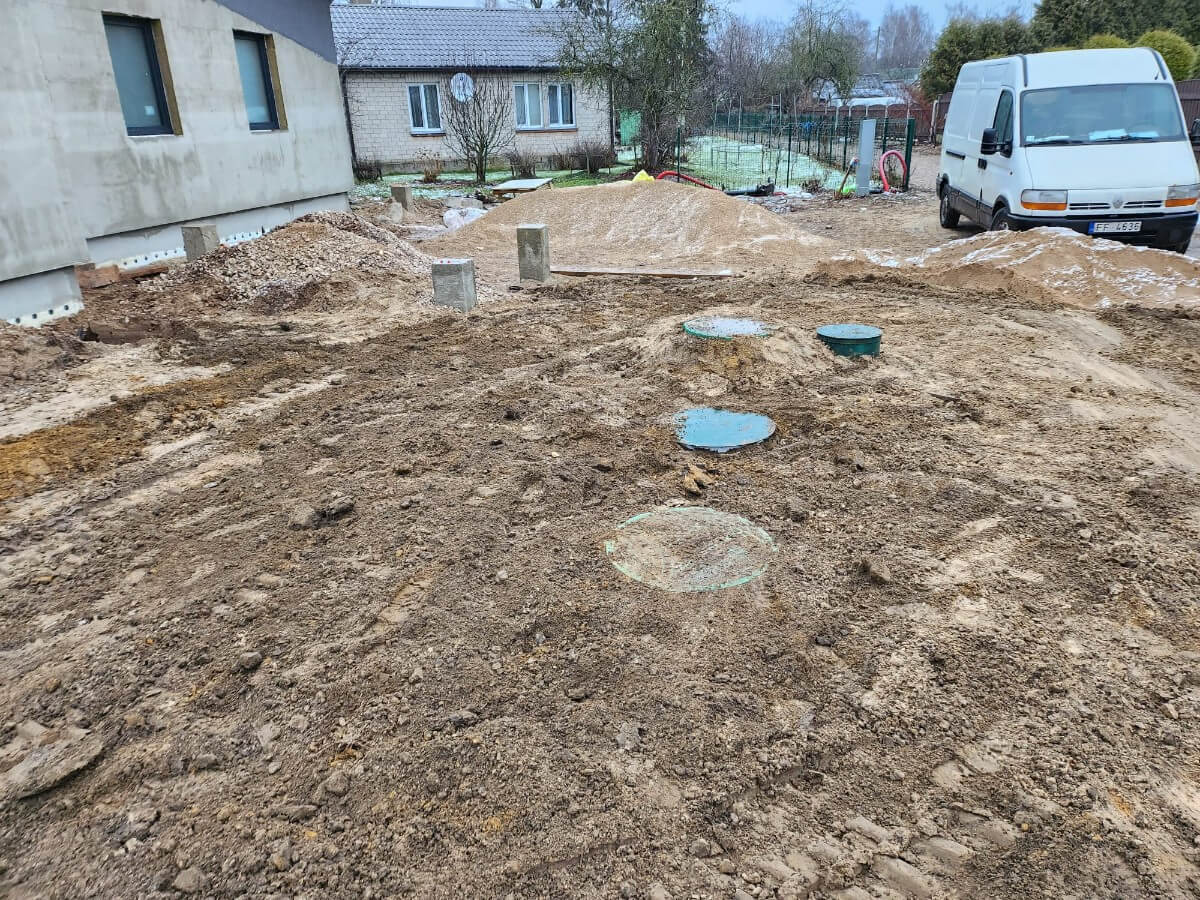
    A biological wastewater treatment plant can be installed in winter too. One such project was the installation of an AT-6 plant, designed for households of up to 4 people.

  • AT-6 plant with discharge to a ditch

    AT-6 plant with discharge to a ditch

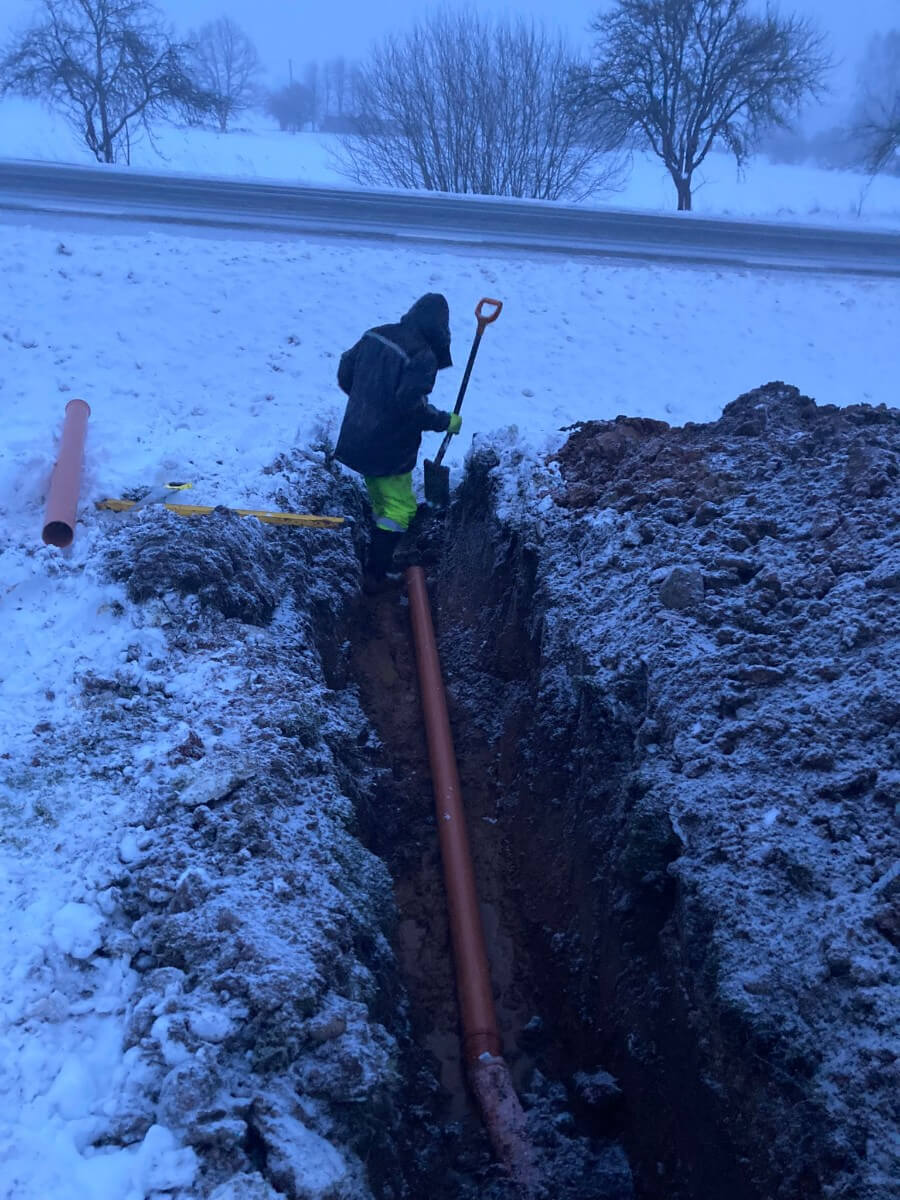
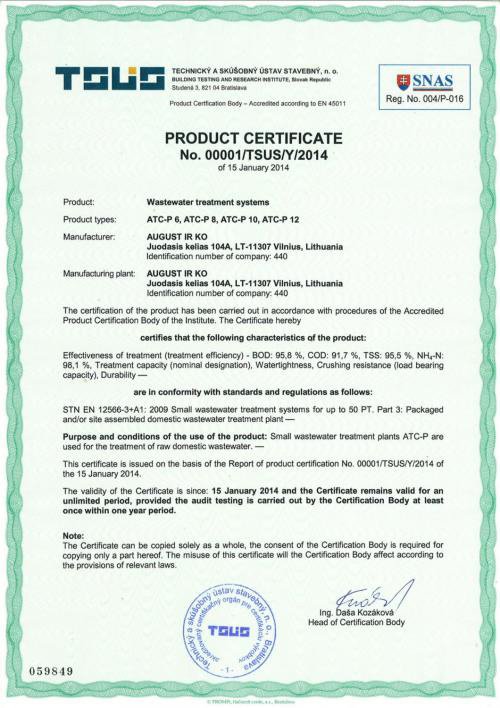
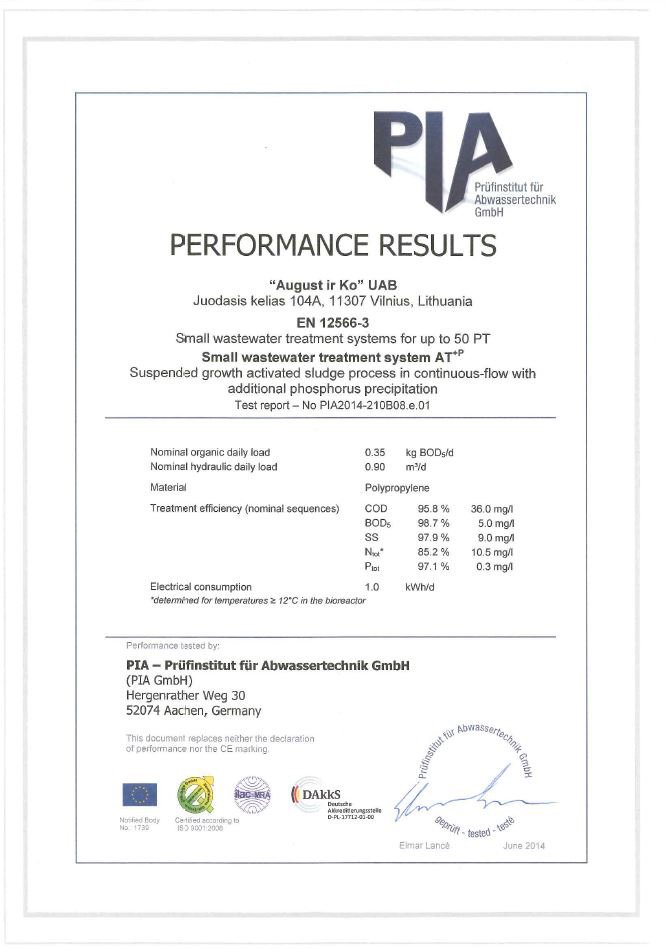
    A biological wastewater treatment plant achieves up to 98% treatment, which makes the treated water clean enough to be safely discharged into the ground, reservoirs or surface waters. This household’s AT-6 wastewater treatment plant discharges the treated water into a ditch.

    If your property also has a ditch and you want your treatment plant to discharge treated water into it, fill in the form and we will get in touch!

  • AT-6 plant installation with a raised infiltration field

    AT-6 plant installation with a raised infiltration field

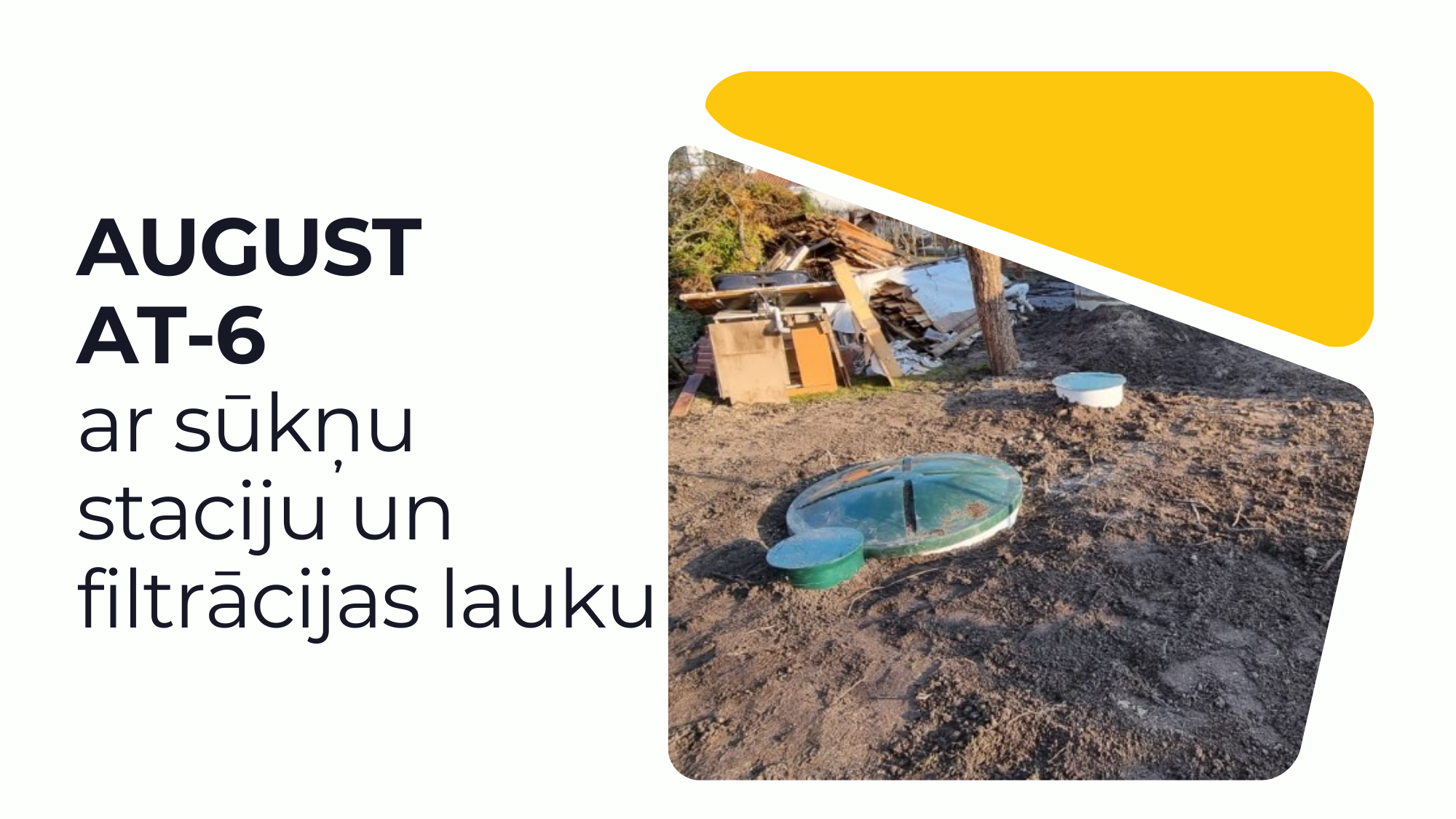
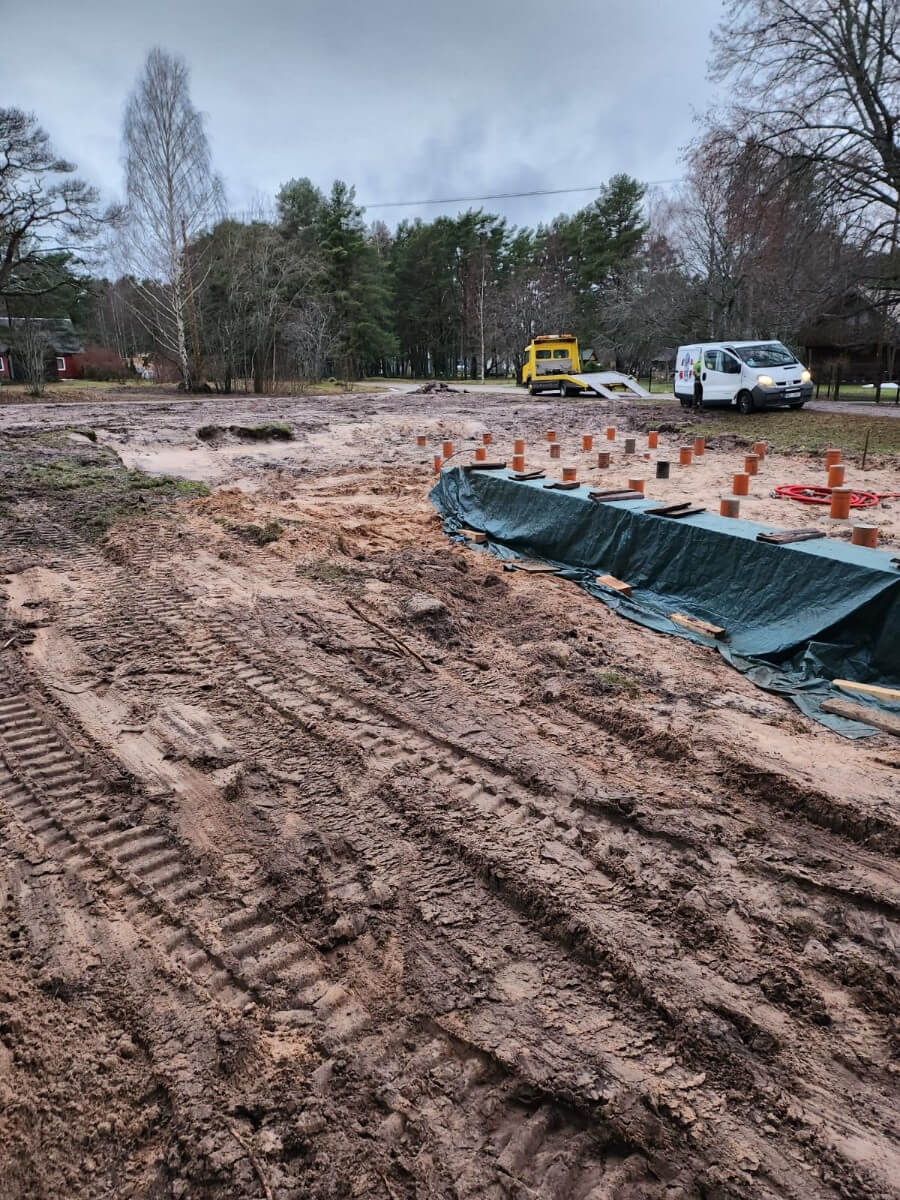
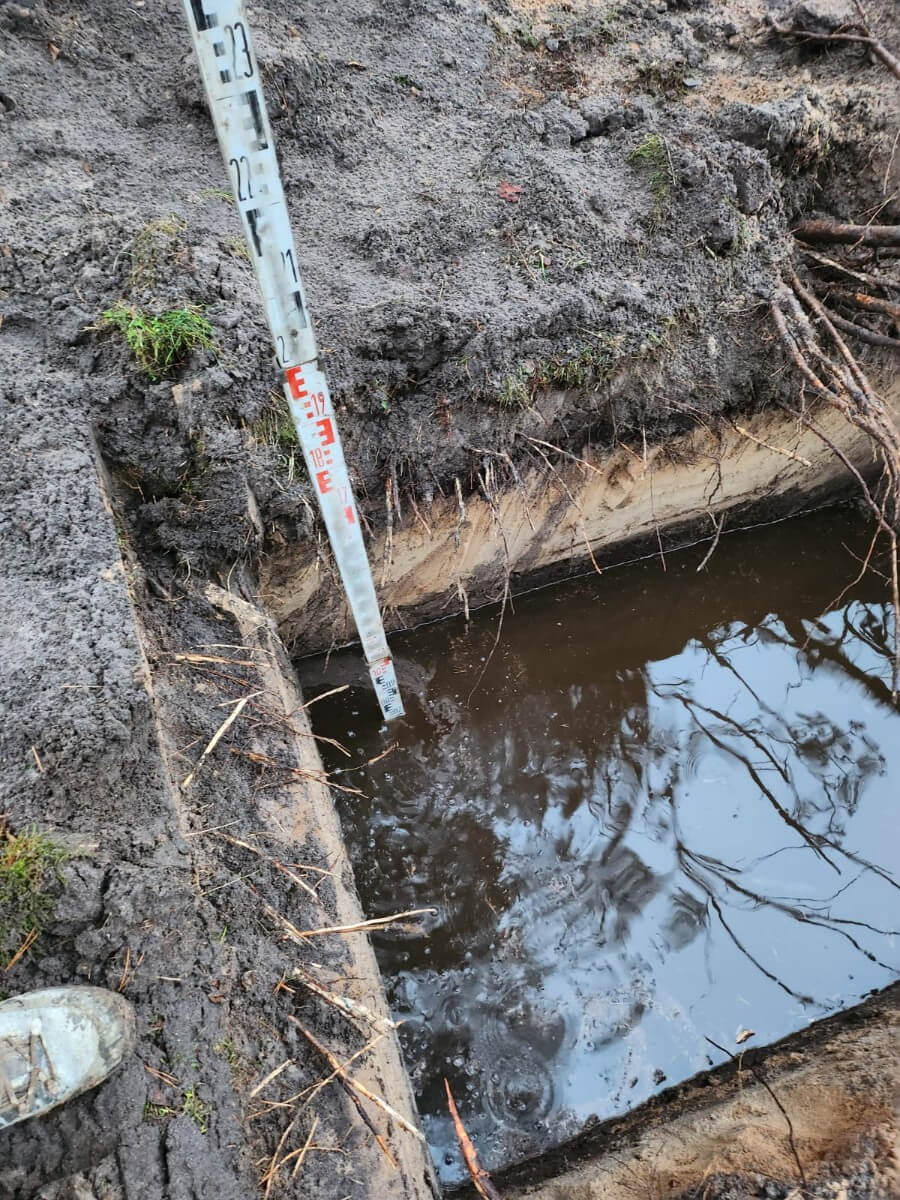
    High groundwater can cause all sorts of inconvenience, but in the hands of professionals it is quickly solved. This AT-6 wastewater treatment plant was installed in Mērsrags municipality. In addition to the plant, an infiltration field was built, but because of the high groundwater it had to be raised on a mound.

    If your household also has high groundwater that causes problems for your biological wastewater treatment plant, book a free consultation by filling in the form and we will get in touch!

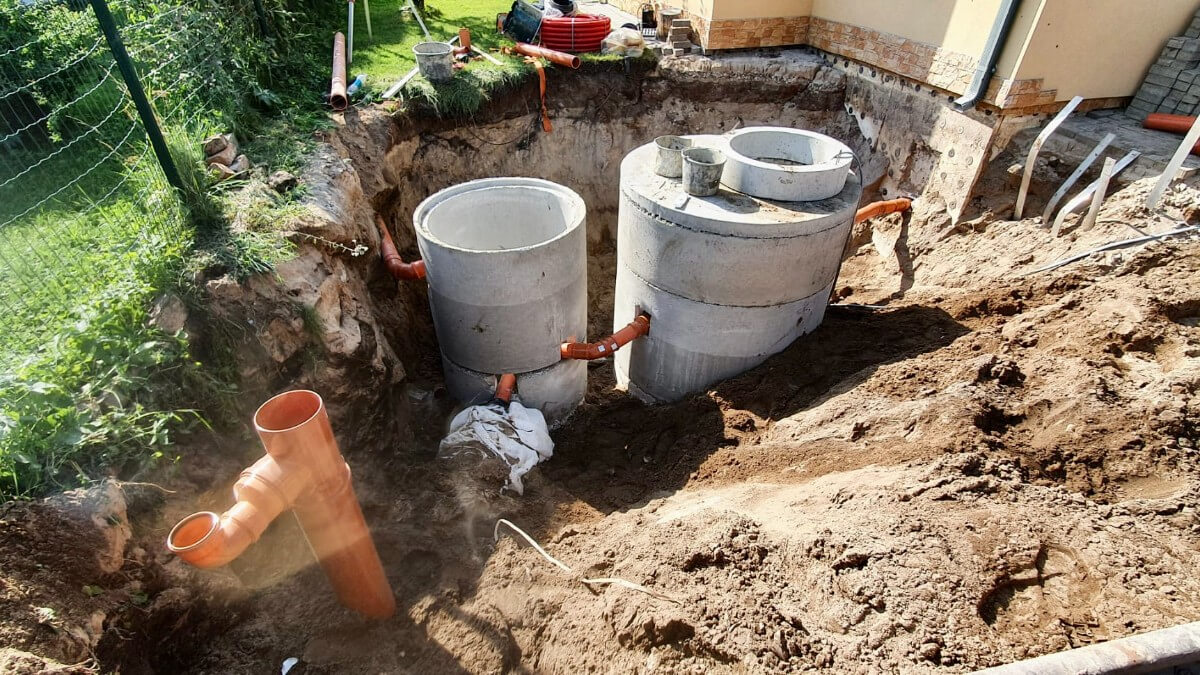
  • AT-6 plant installation with a sewage pumping station and infiltration field

    AT-6 plant installation with a sewage pumping station and infiltration field

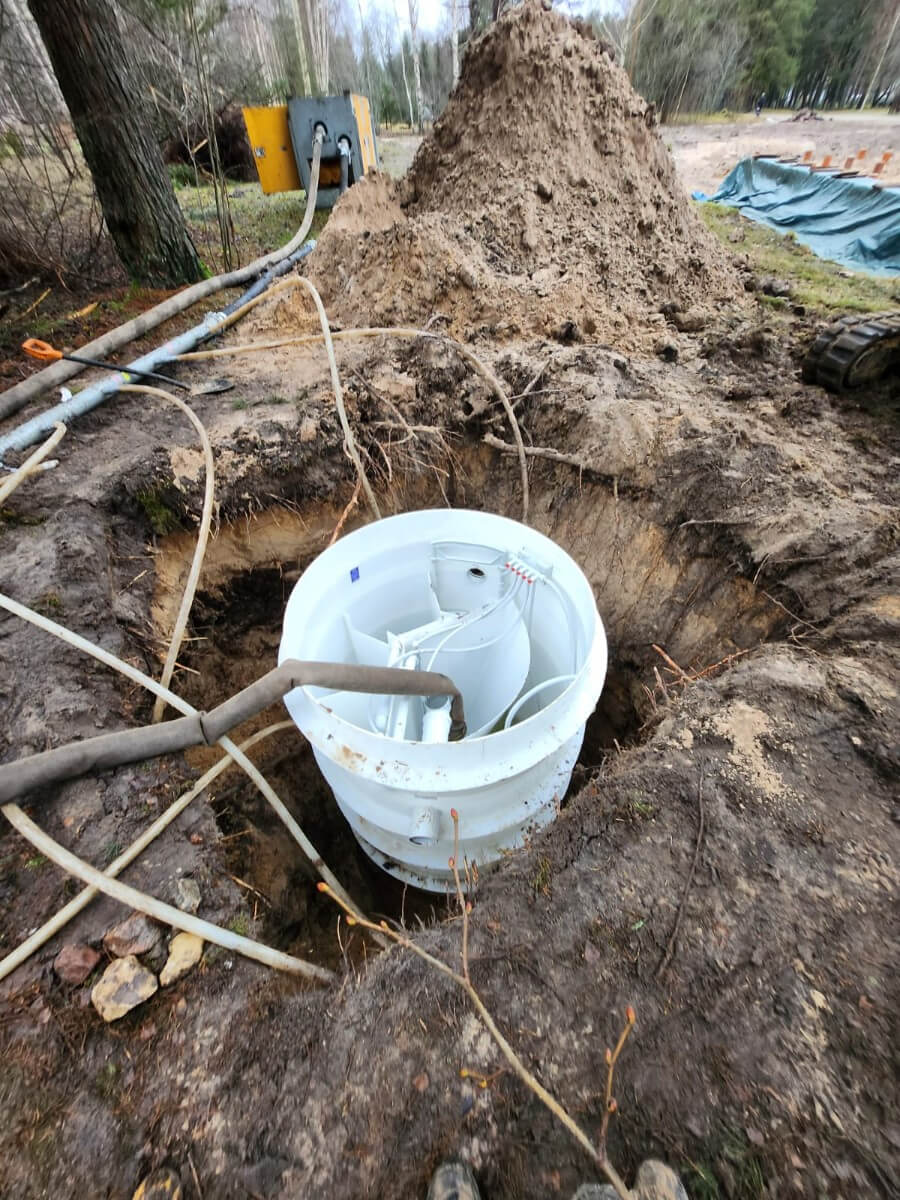
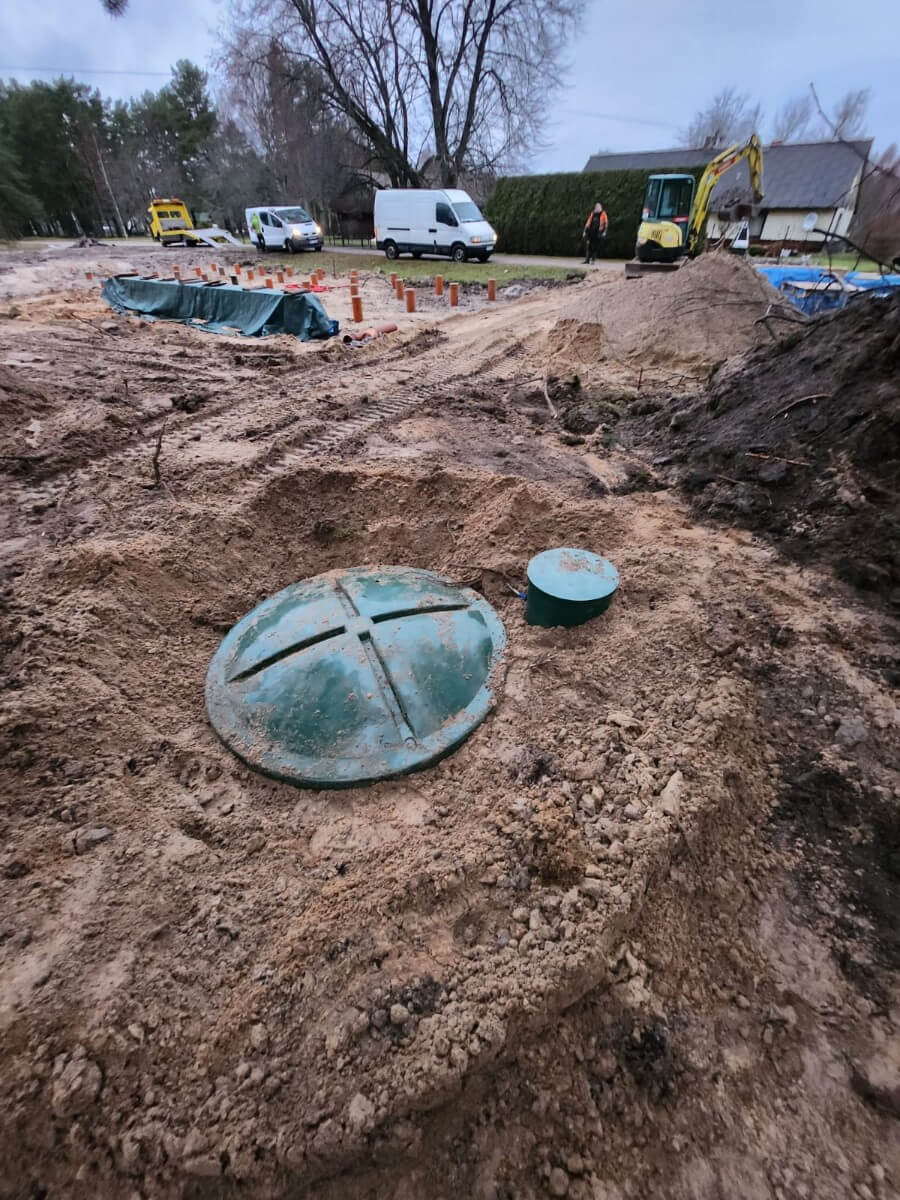
    In this project we installed an AT-6 plant, designed for up to 4 people, with a sewage pumping station and a raised infiltration field.

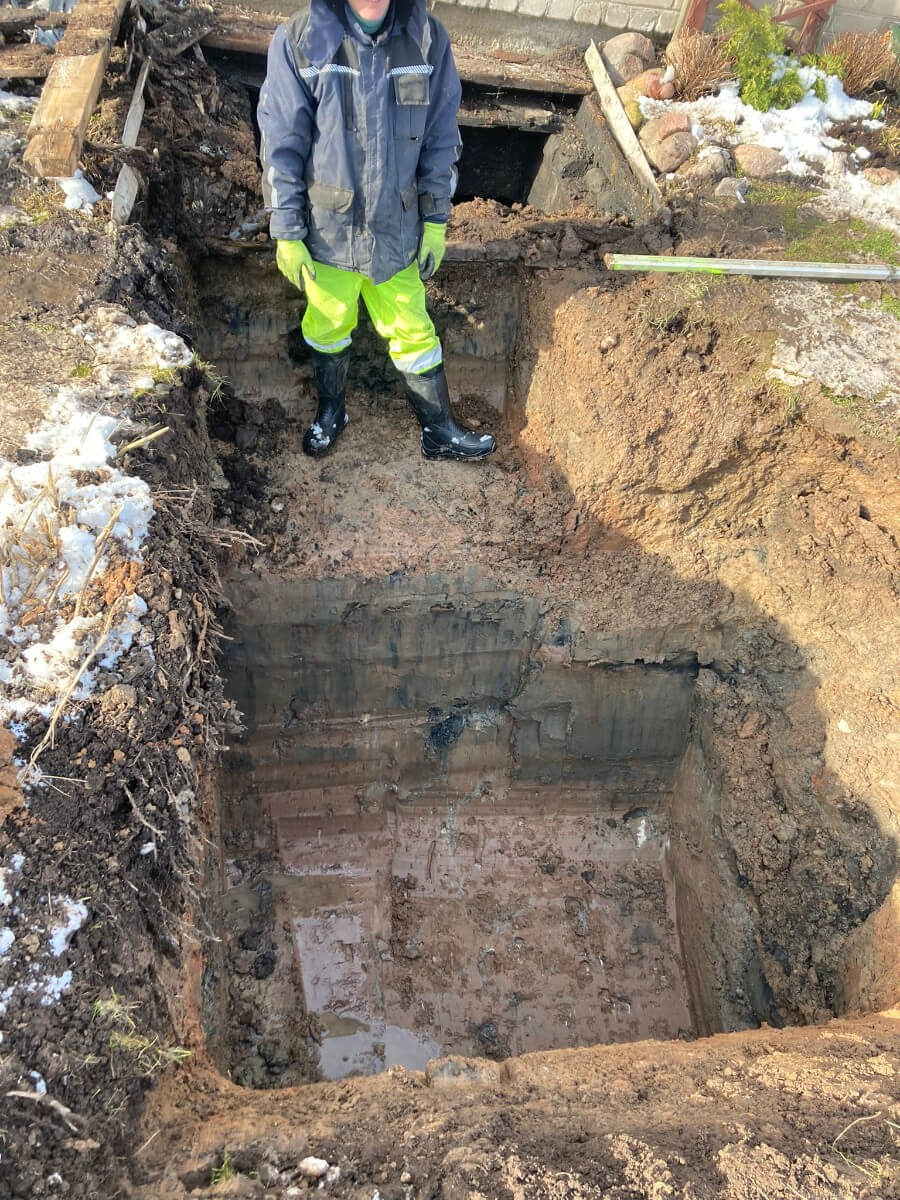
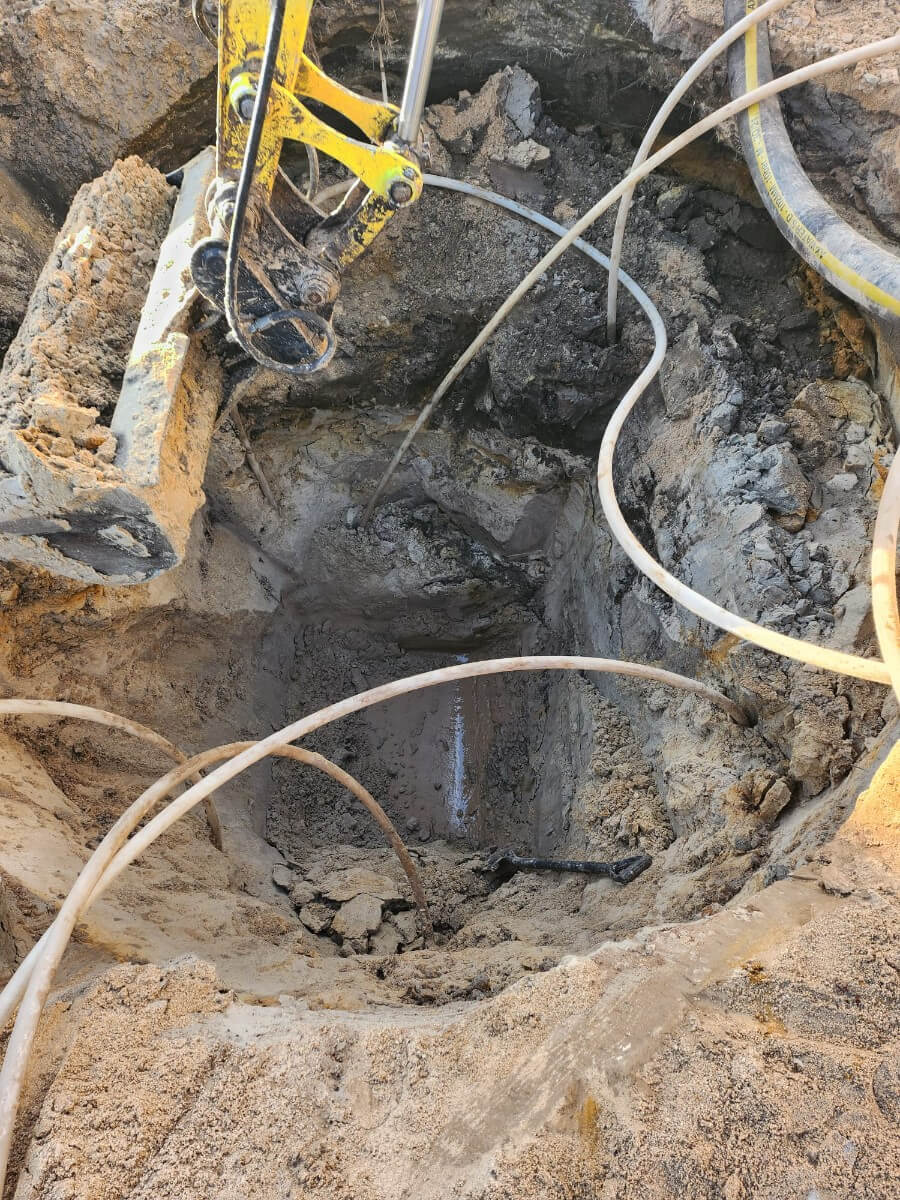
    During installation the groundwater was lowered so that the treatment plant could be installed safely.

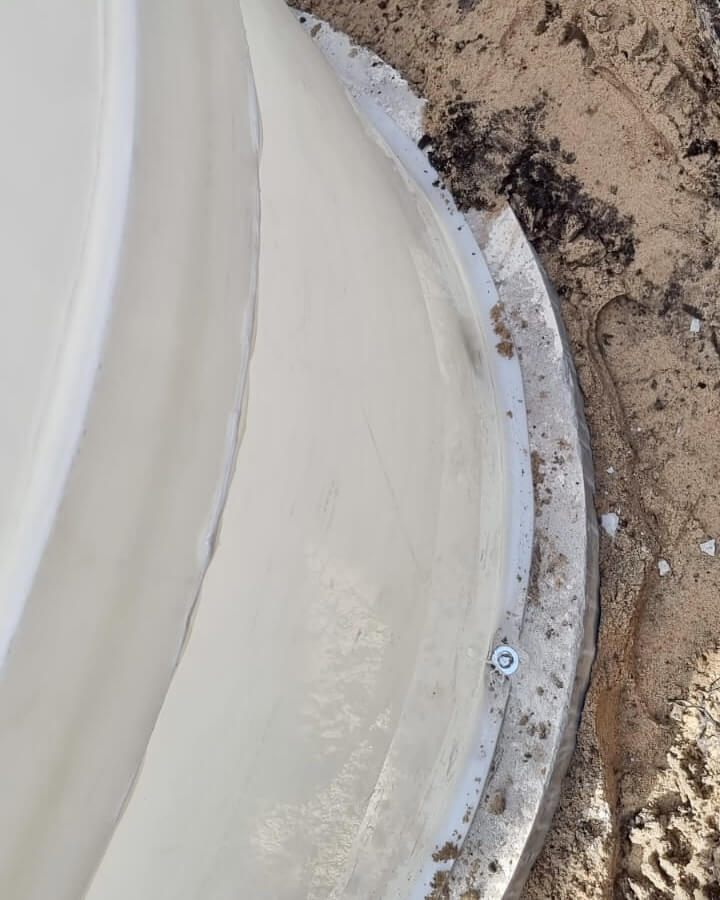
    A concrete base was built under the plant, and the treatment plant is fixed to it with anchor bolts.

    The project also included rebuilding the sewer network and replacing the pipes, with an inspection chamber.
    Thanks to this, the customer no longer has to use holding tanks and the treatment plant can be conveniently serviced from the road side.

    If your property needs its sewerage rebuilt, book a consultation!

  • AT-8 installation under a roadway

    AT-8 installation under a roadway

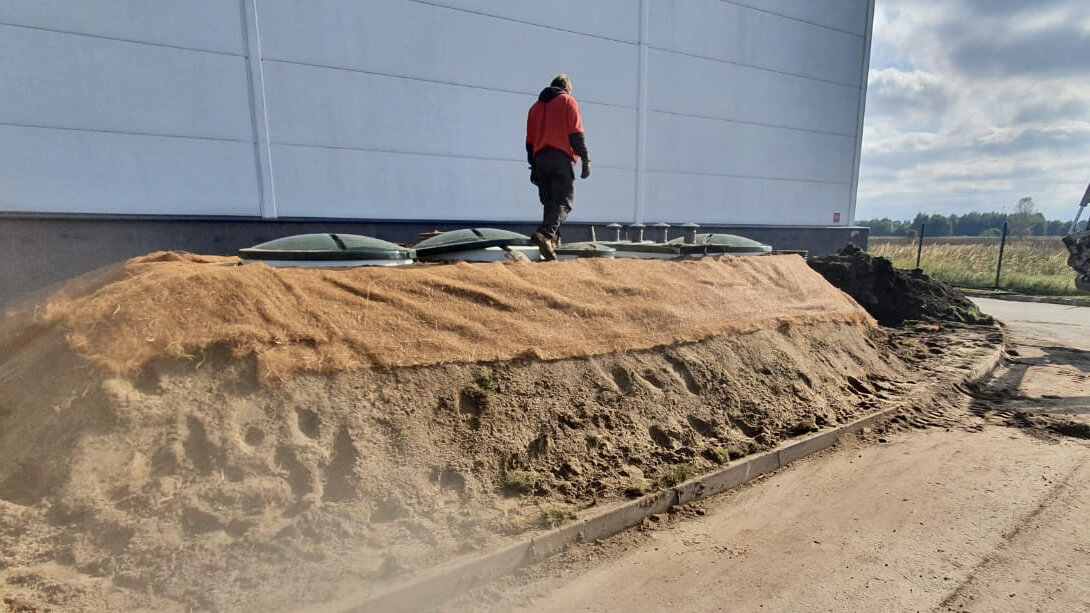
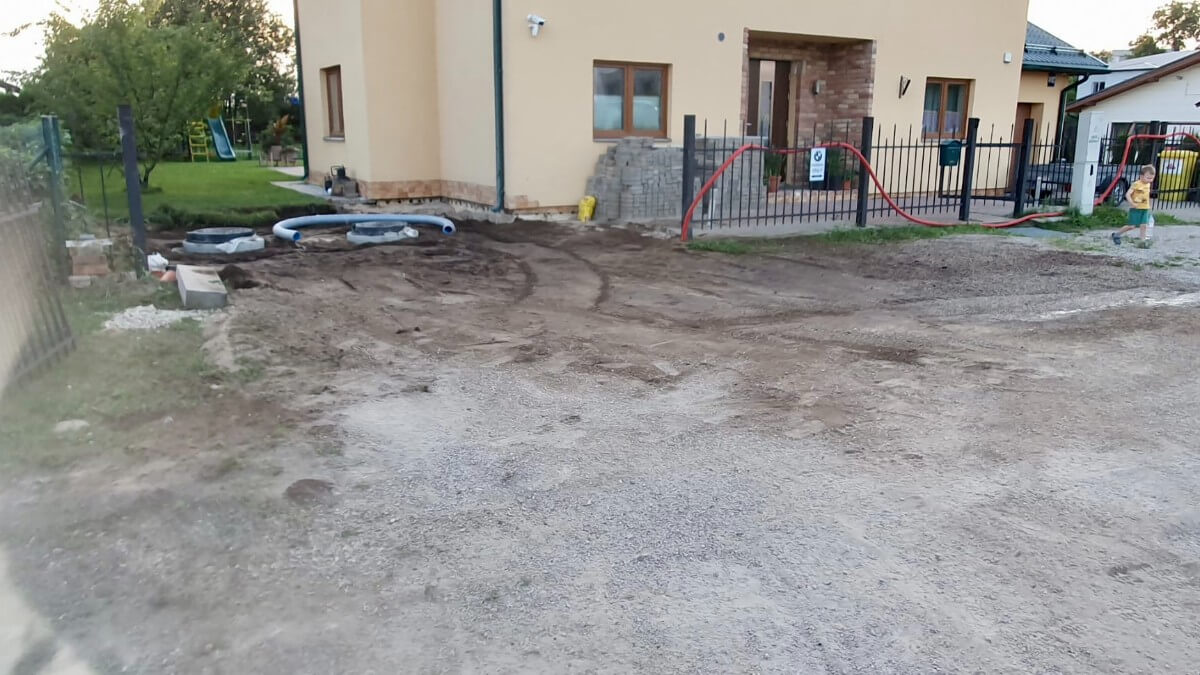
    The customer was not happy with how their existing treatment plant was working. So that the customer could keep using the existing area for parking, we installed the treatment plant under the roadway.

    The AT-8 wastewater treatment plant was installed inside concrete rings. A new infiltration field was also built to receive the treated water from the plant. The AT-8 plant was installed in line with the regulations in Riga. It can treat up to 0.9 m³/day of wastewater.

    Dismantling the old treatment plant and installing the new one took 2 working days.

    If your property needs a wastewater treatment plant, book a free consultation.

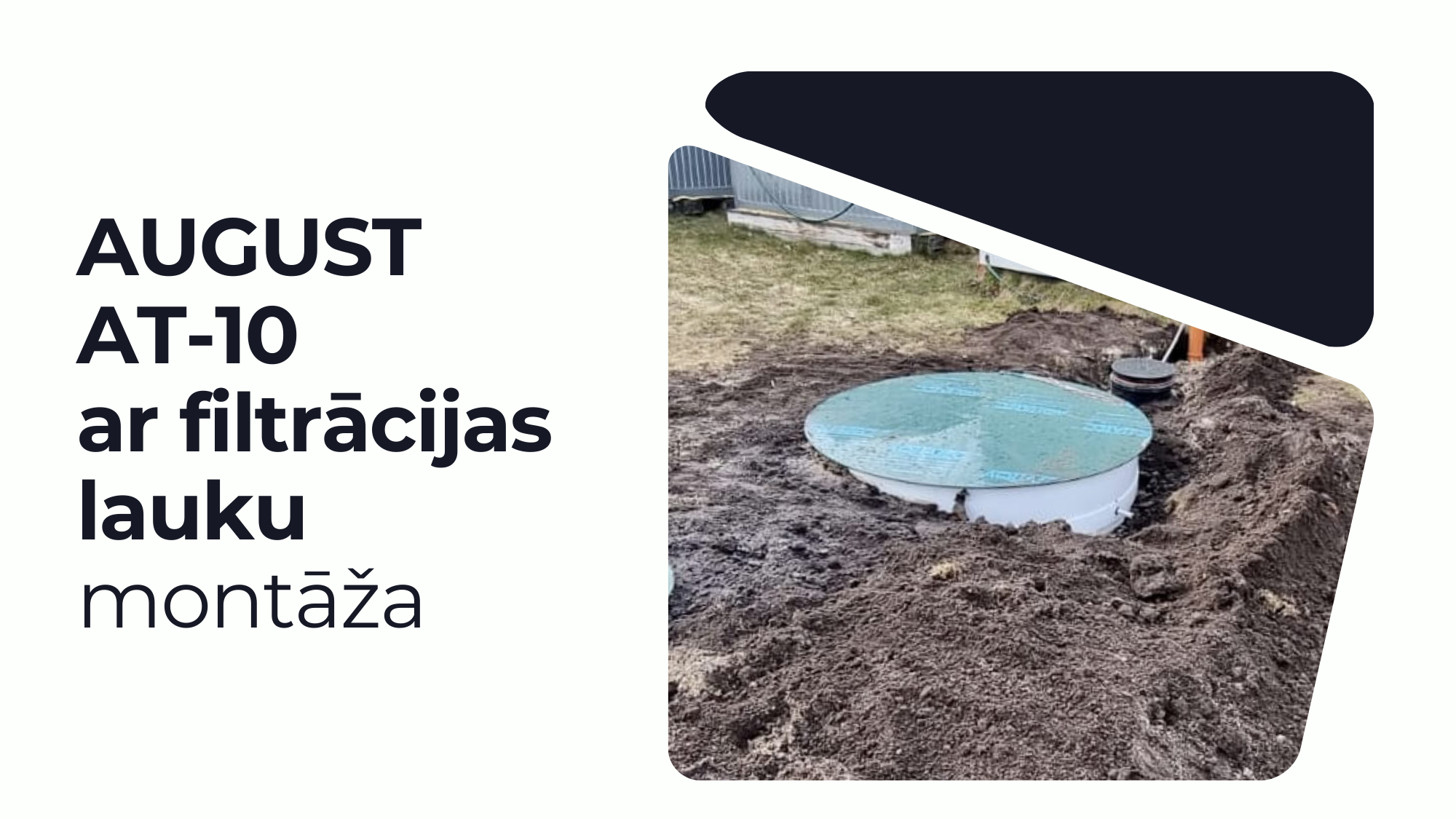
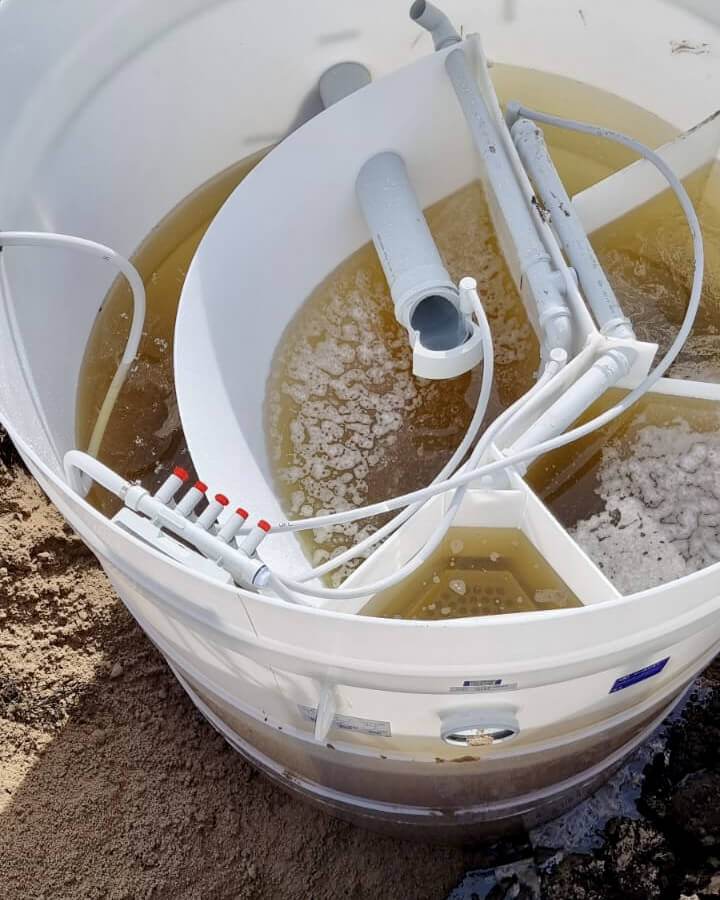
  • AT-10 plant with an infiltration field

    AT-10 plant with an infiltration field

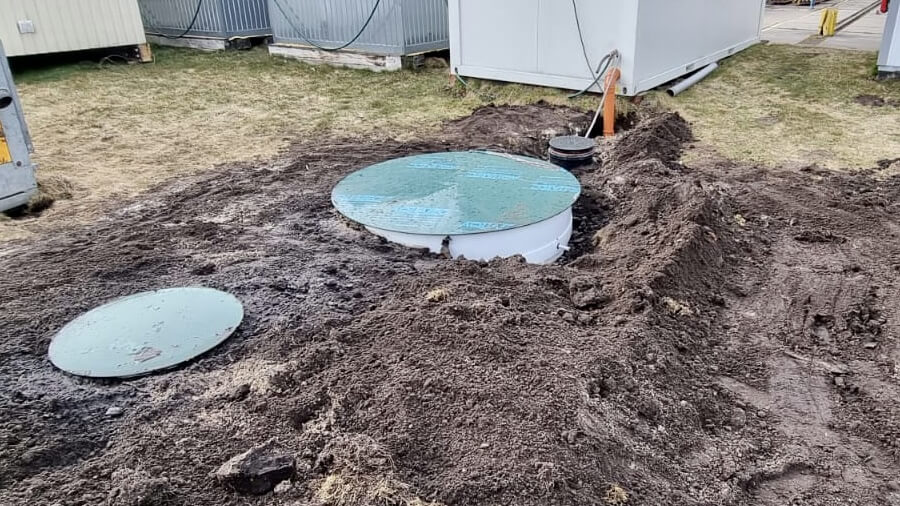
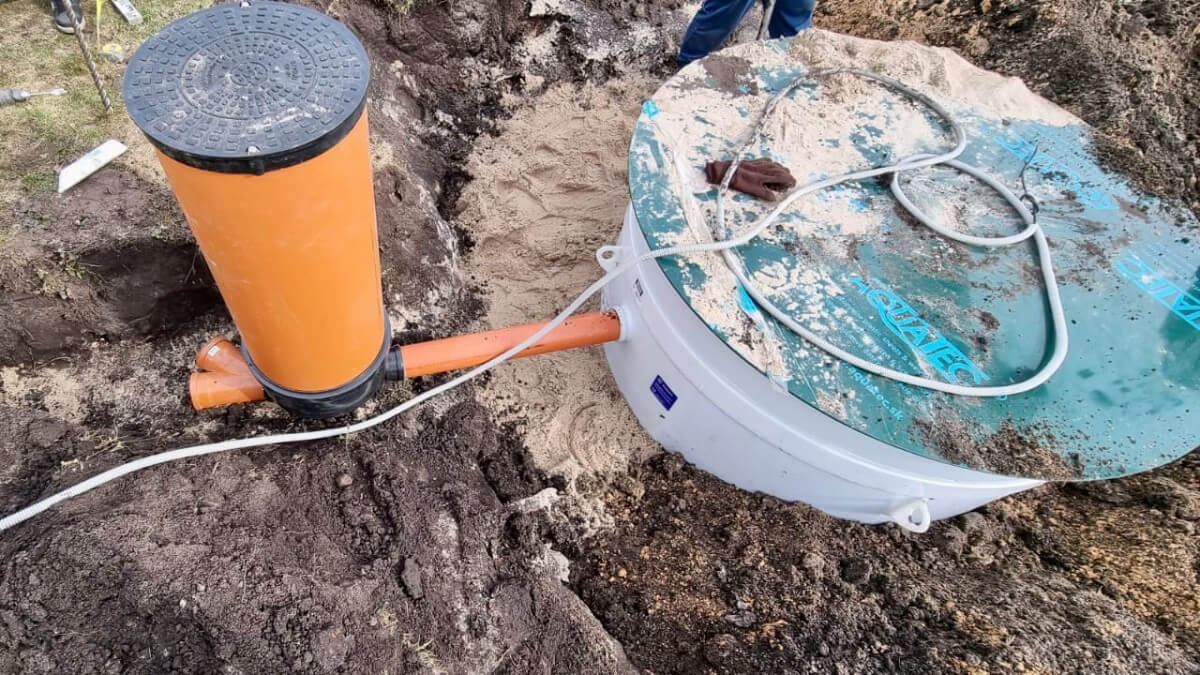
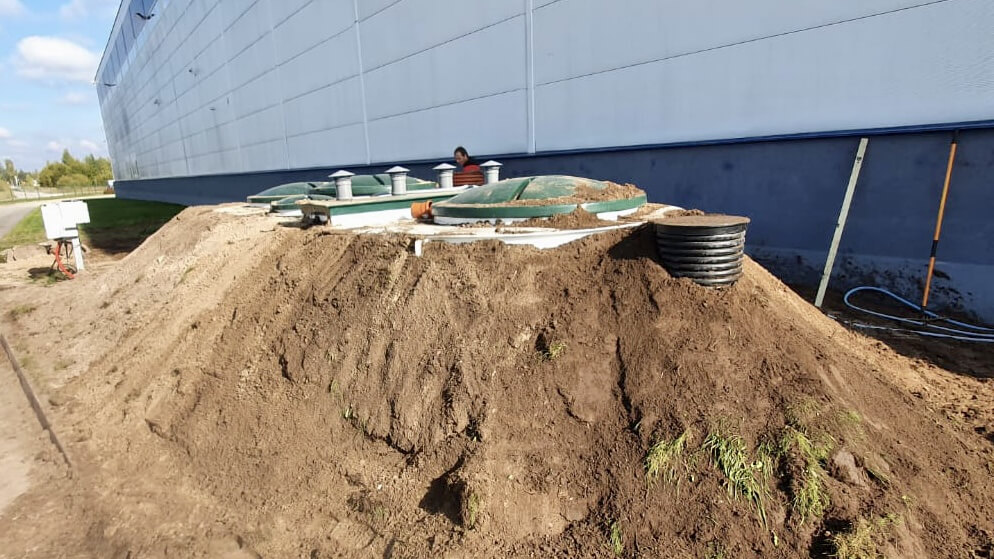
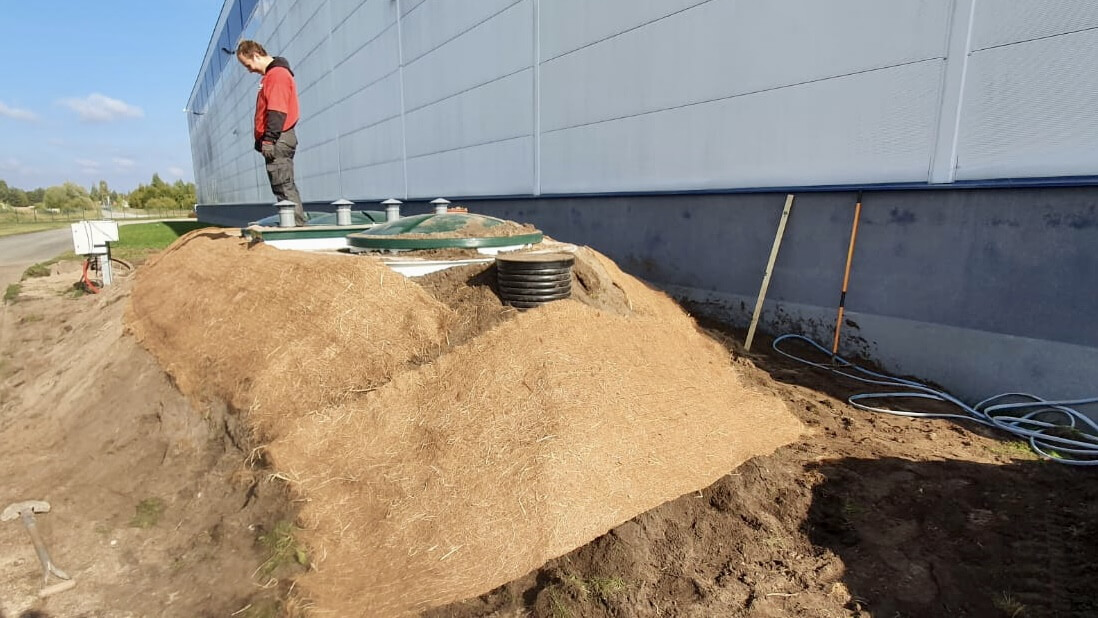
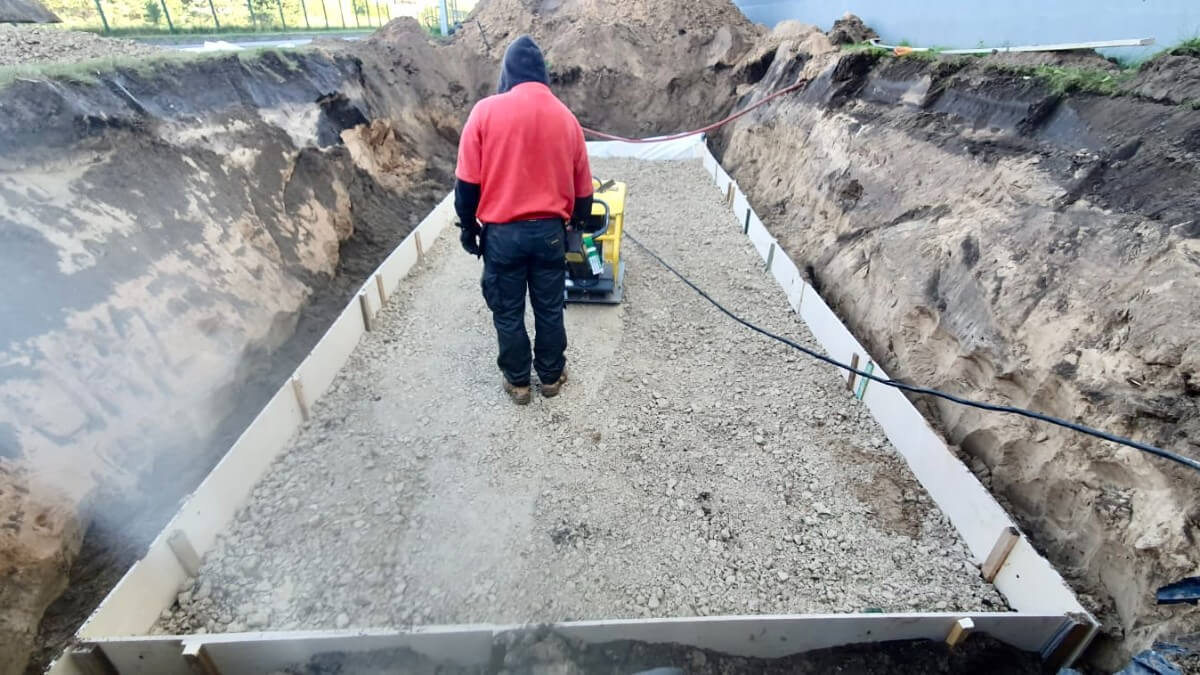
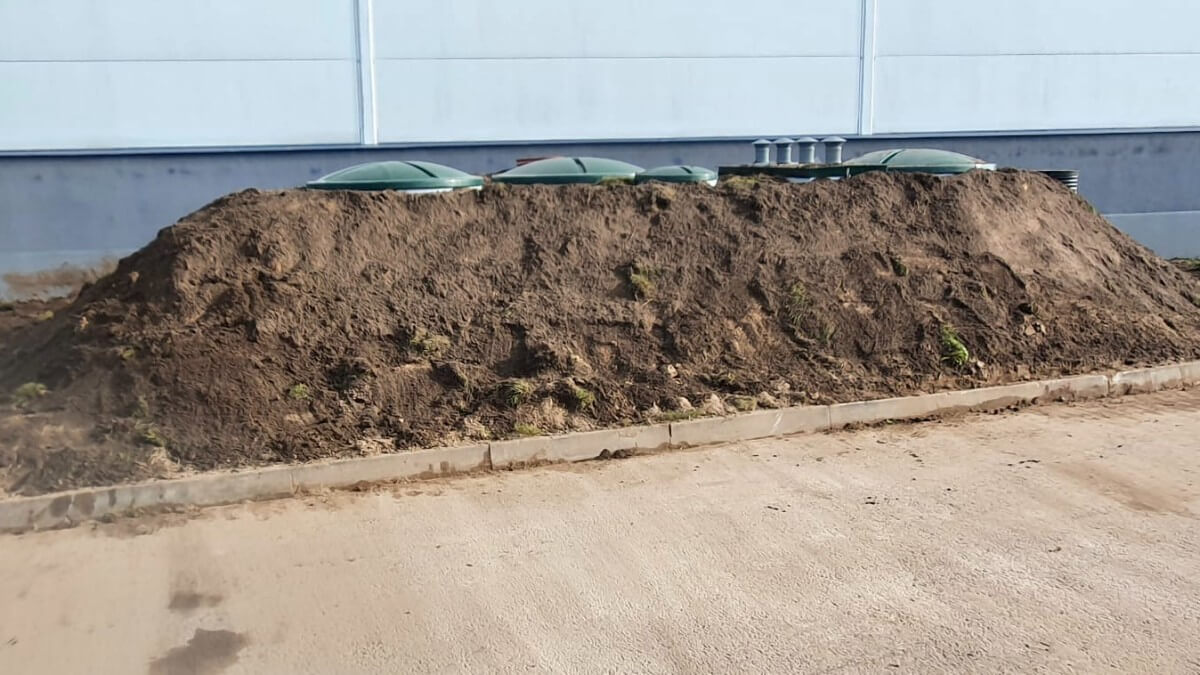
    The AT-10 wastewater treatment plant is designed for up to 8 people. The plant was installed for staff rest containers on an industrial site. The AT-10 treatment plant was built in a location with poor soil and high groundwater.
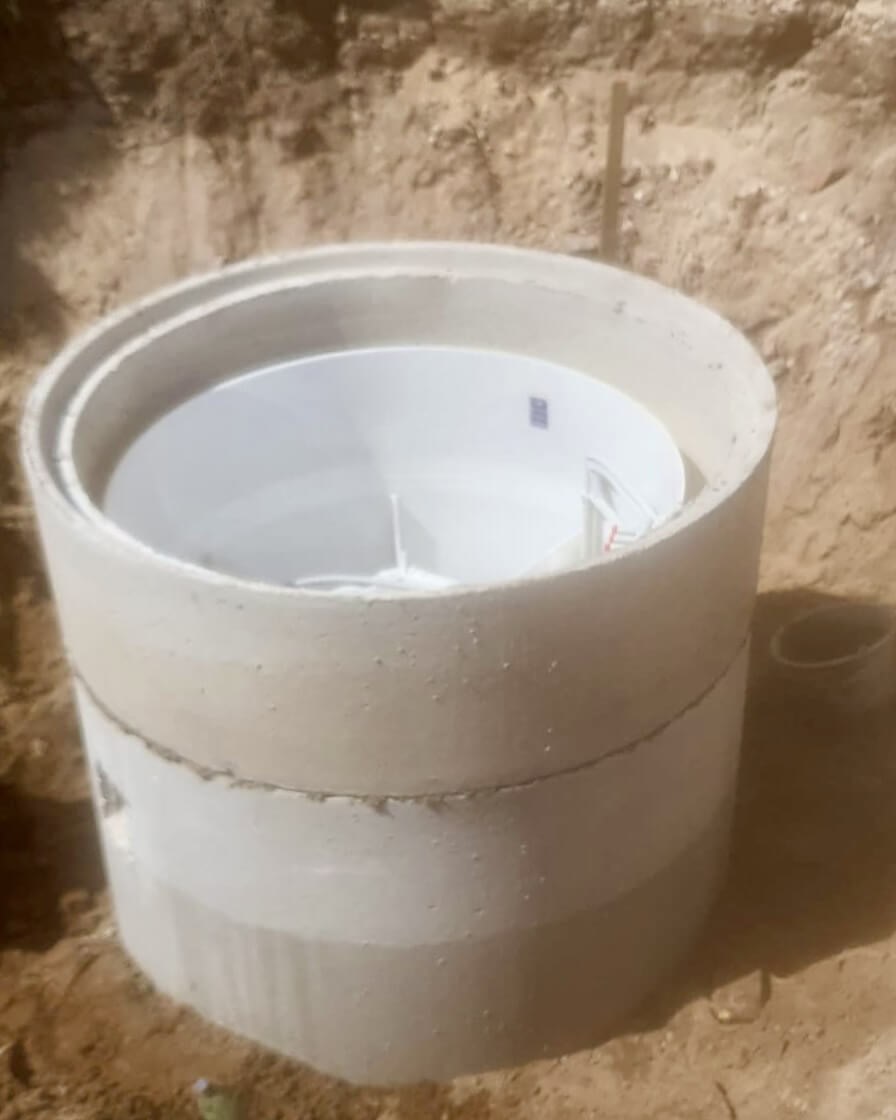
    The sewerage system was built according to the design prepared by the customer and, once the work was complete, approved by the building authority.

    Book a free consultation so we can get in touch and find the right solution for your sewerage system!

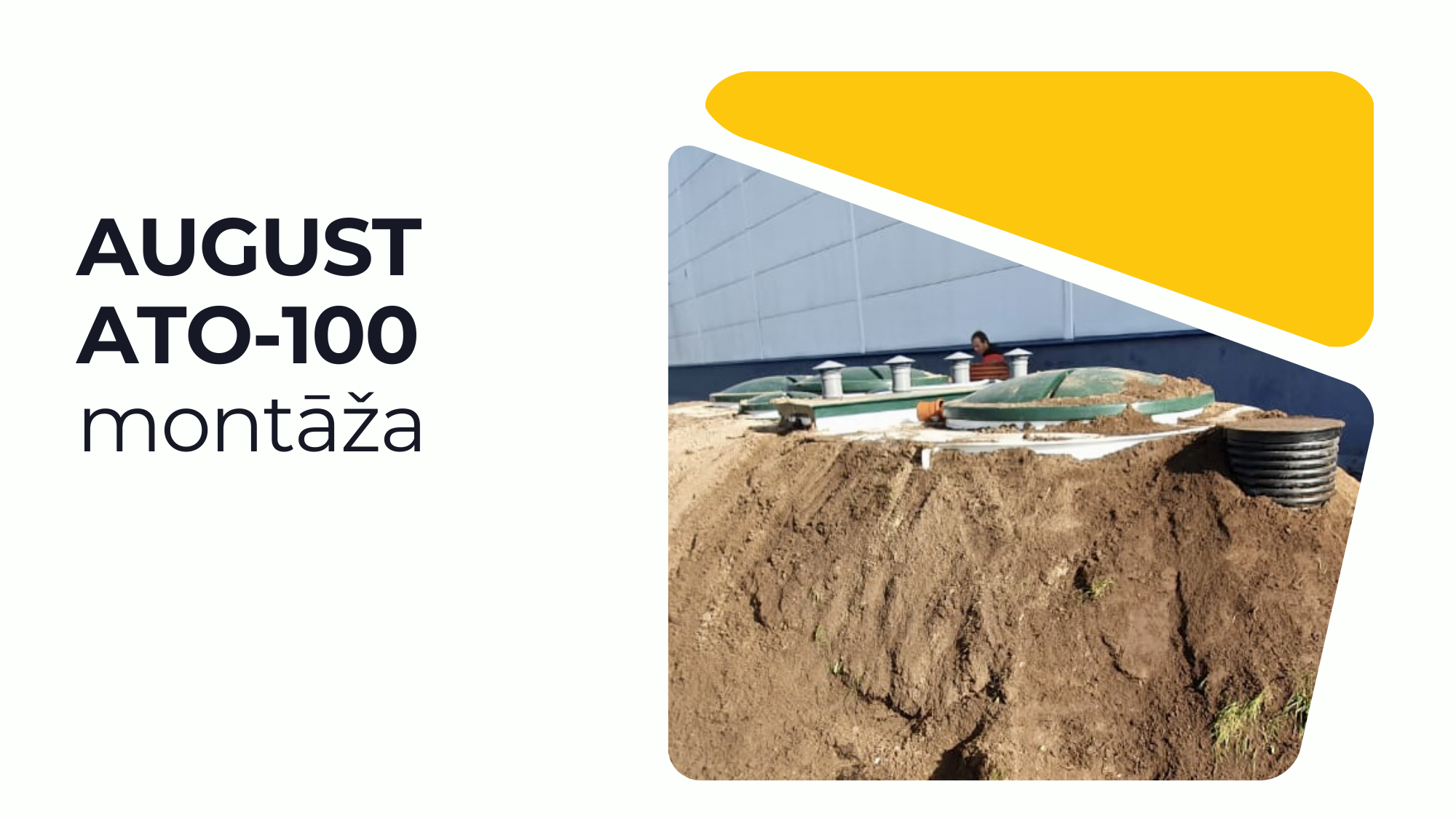
  • ATO-100 treatment plant installation

    ATO-100 treatment plant installation

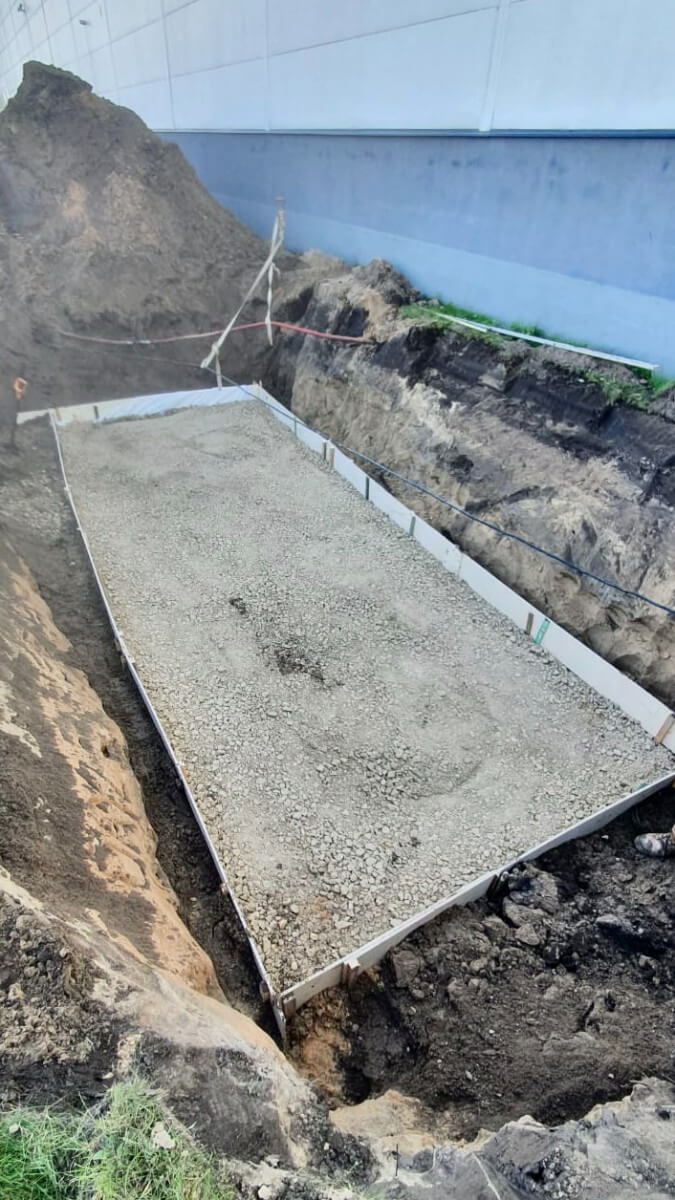
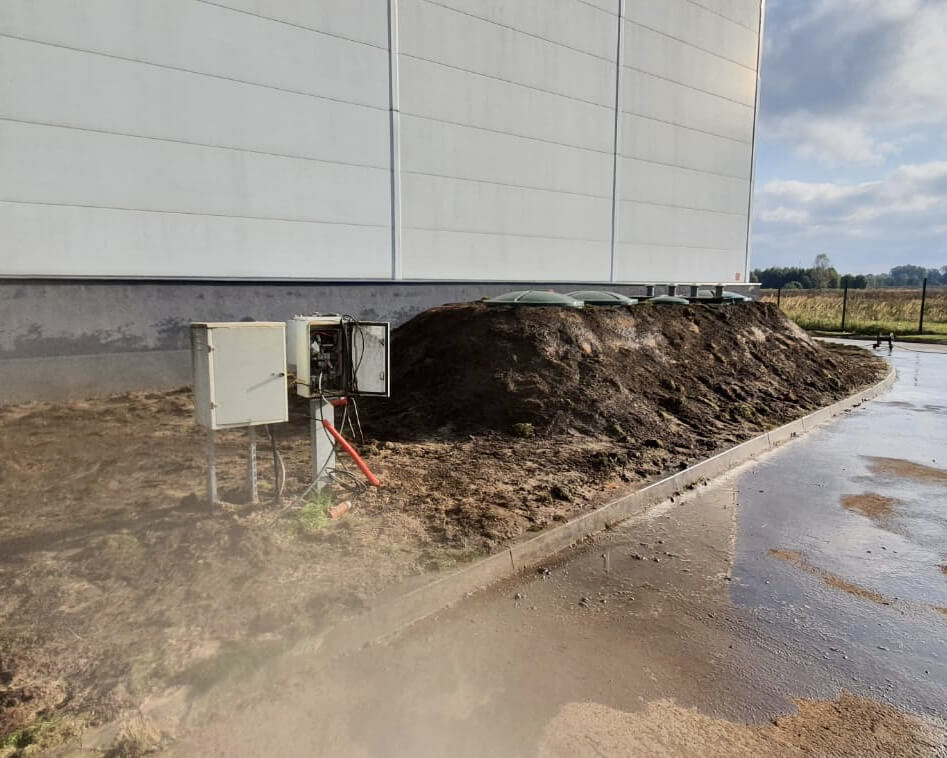
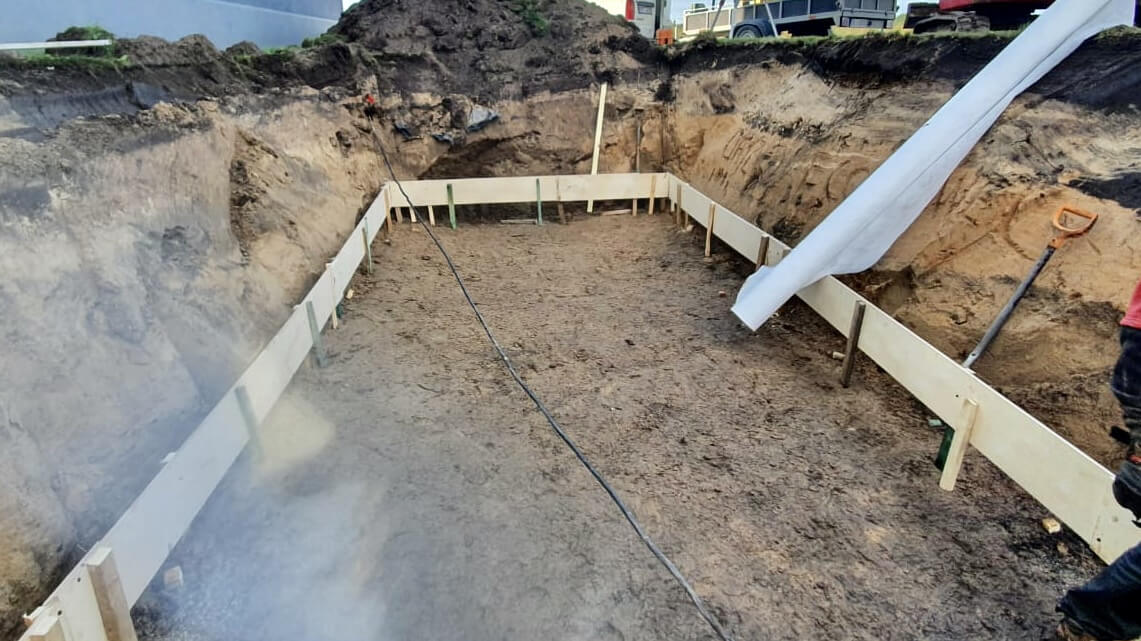
    In 2022 we completed one of the year’s largest treatment plant projects. We installed an ATO-100 wastewater treatment plant, designed for 100 people. The ATO-100 has a maximum load of 15 m³/day.
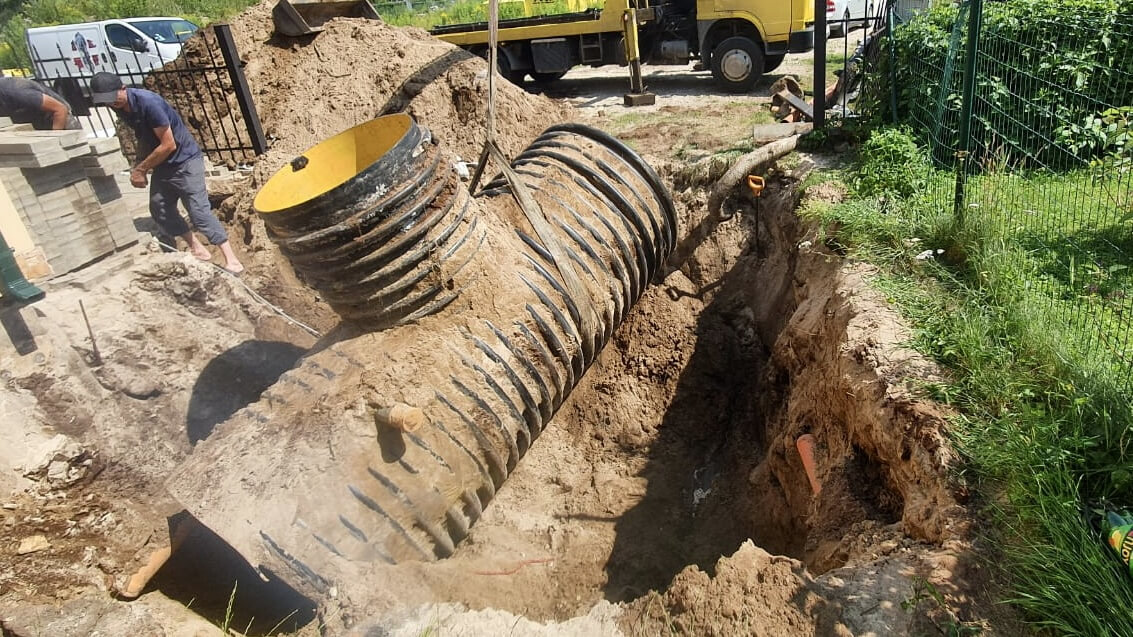
    The new plant was installed in place of the old treatment plant. The existing treatment system was dismantled and the new ATO-100 wastewater treatment plant was built. The plant’s base was concreted before it was lowered into place. The treated water is discharged into the existing land drainage ditch.

  • AT-6 plant installation in Jelgava

    AT-6 plant installation in Jelgava

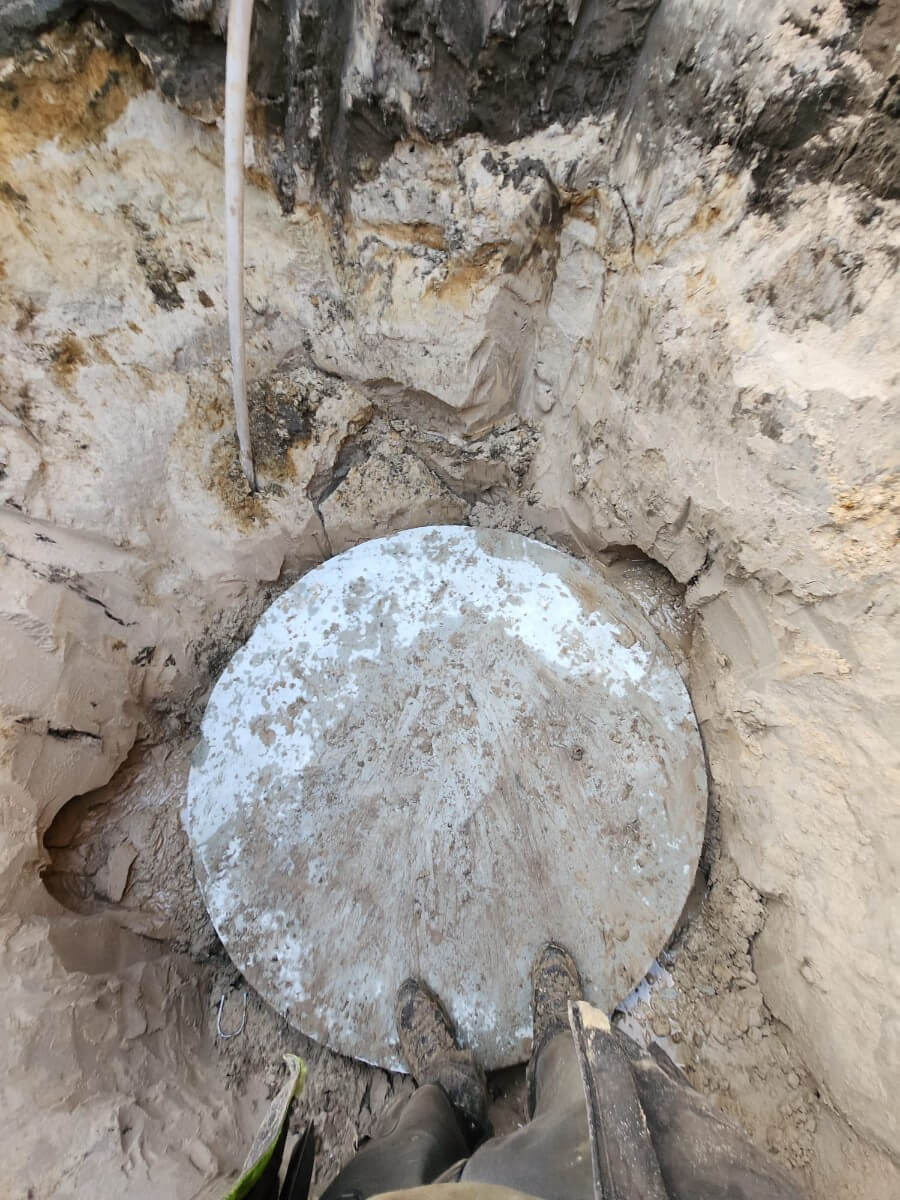
    The customer wanted to rebuild an existing ring-shaft well that regularly filled up with groundwater in spring and autumn.

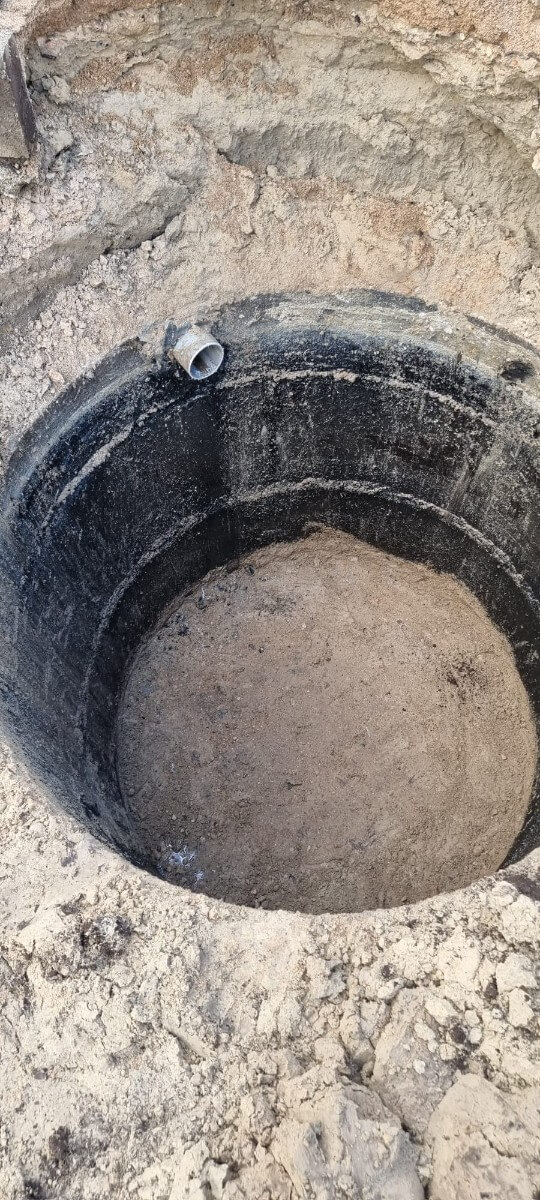
    To stop the well filling with groundwater, an AT-6 wastewater treatment plant with a cone lid was installed inside the existing ring shaft. The treated water is pumped through a pumping station into the ditch next to the house.

    If the well on your property fills up with groundwater, get in touch!

  • AT-8 plant installation with discharge to a ditch in Ä¢ipka

    AT-8 plant installation with discharge to a ditch in Ģipka

    A site in Ģipka

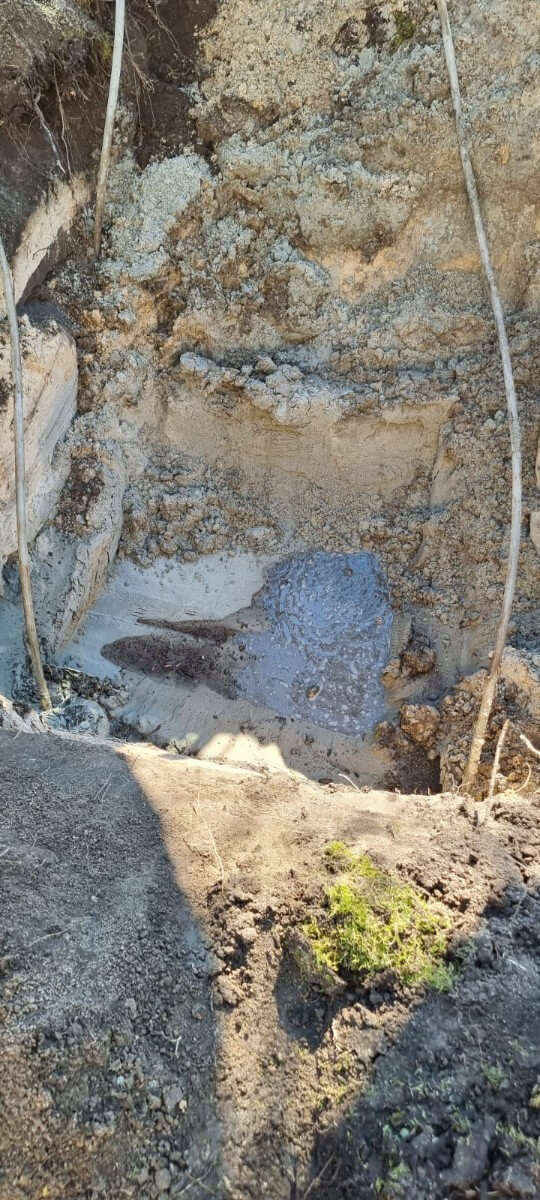
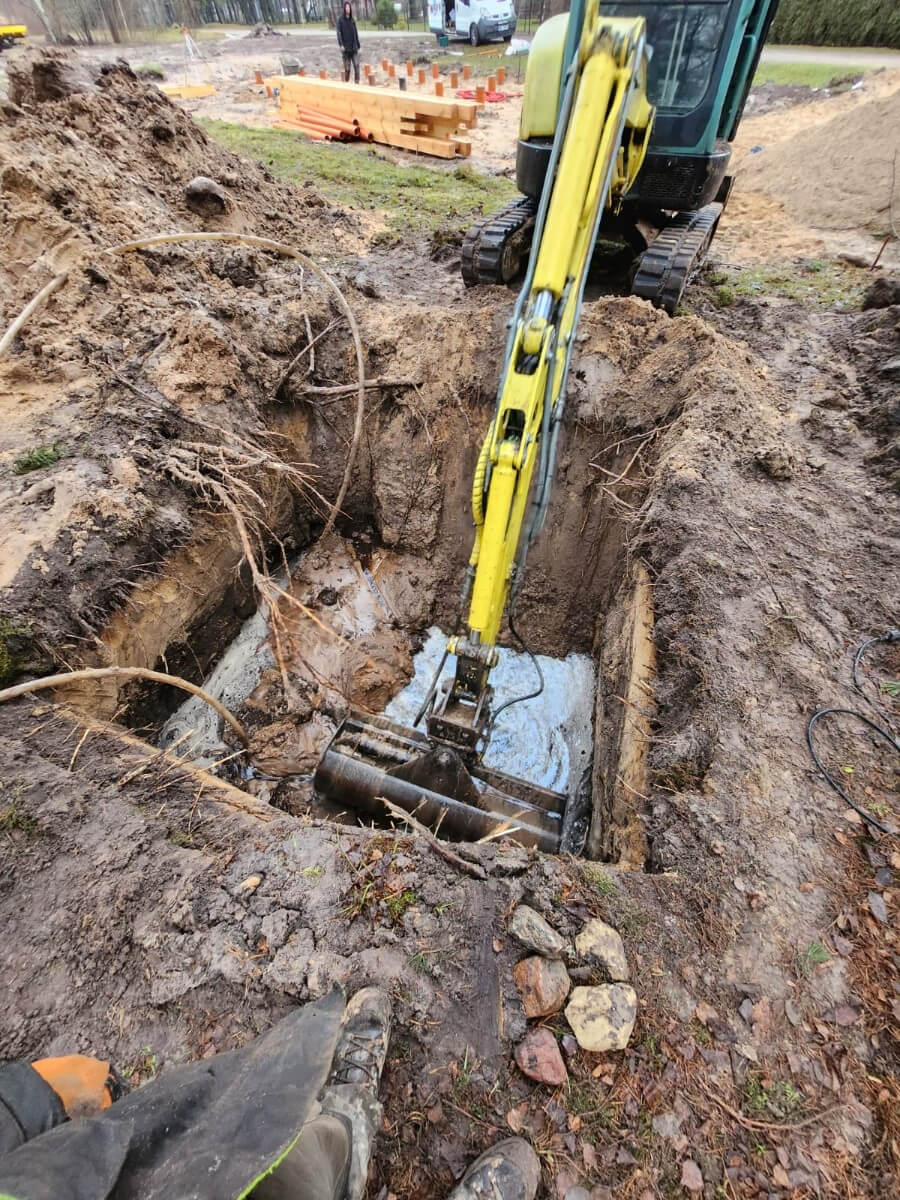
    An AT-8 plant was installed with discharge to a ditch. The treatment plant was built in a location with high groundwater, so a dewatering system was used for the installation. The plant is anchored to a concrete base, which protects it from the effects of groundwater.

  • AT-8 treatment plant with a lockable cone lid in Piņķi

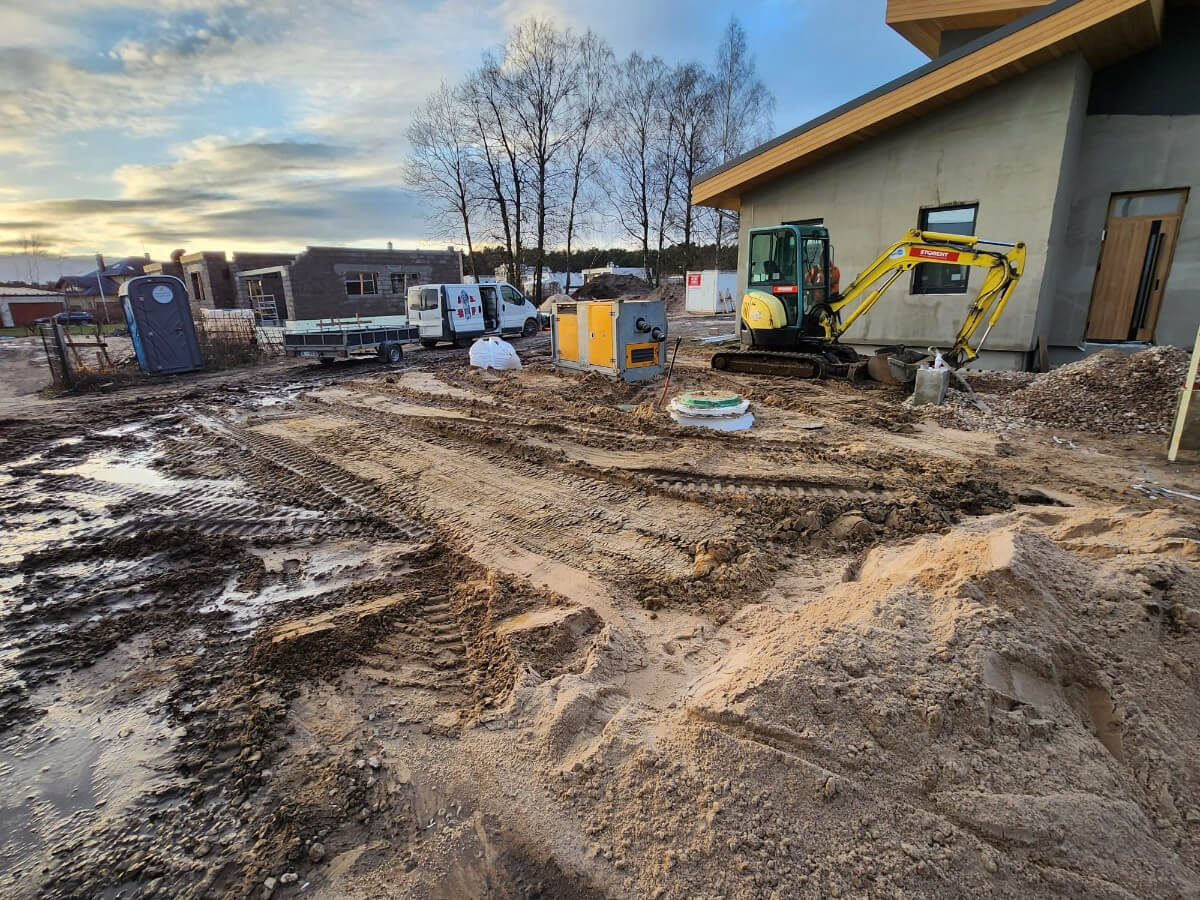
    AT-8 treatment plant with a lockable cone lid in Piņķi

    A site in Piņķi. An AT-8 treatment plant was installed with a lockable cone lid of a smaller diameter. Because of high groundwater, the treatment plant was installed using a dewatering system. A pumping station was installed after the plant, and an infiltration field was built above the groundwater.

    Book a free consultation on treatment plants here

  • Sewerage solutions for businesses: what to know before choosing?

    Sewerage solutions for businesses: what to know before choosing?

    For a business, the sewerage system is not just a ā€œtechnical detailā€ – it affects day-to-day work, hygiene, customer experience and costs. That’s why a sewerage solution for a business should be chosen with the load, reliability and easy maintenance in mind. This is especially relevant for cafĆ©s, production plants, warehouses, offices, car services and sites in places without a central sewer connection.

    How do a business’s needs differ from a private house?

    In private houses the load is usually similar every day, but in businesses it can vary a lot. One day there are many visitors, the next few. On some sites the main load is only during working hours, while on others the volume of wastewater rises sharply in certain seasons. So the capacity should be chosen not ā€œby eyeā€, but based on a realistic usage scenario.

    How to choose the capacity and type of system?

    To find the most suitable solution, first answer a few questions:

    • how many people are on site on a normal day and at peak times
    • whether there is a flow of customers and peak hours
    • which processes produce wastewater (only domestic, or also from production)
    • whether fats, oils or other specific contaminants go into the sewer

    For example, catering businesses often need additional solutions that help control the amount of fat entering the system, so that treatment works more reliably.

    Discharge and maintenance matter as much as the plant

    A common mistake is to focus only on the plant model and not plan the discharge. The treated-water discharge solution may be infiltration, discharge to a ditch or a solution with a pumping station. The choice depends on the soil, terrain and distances.

    Maintenance is also critically important for a business. If the system stops, it can mean downtime or problems serving customers. So it’s best to choose a solution with a predictable maintenance schedule and clear availability of service.

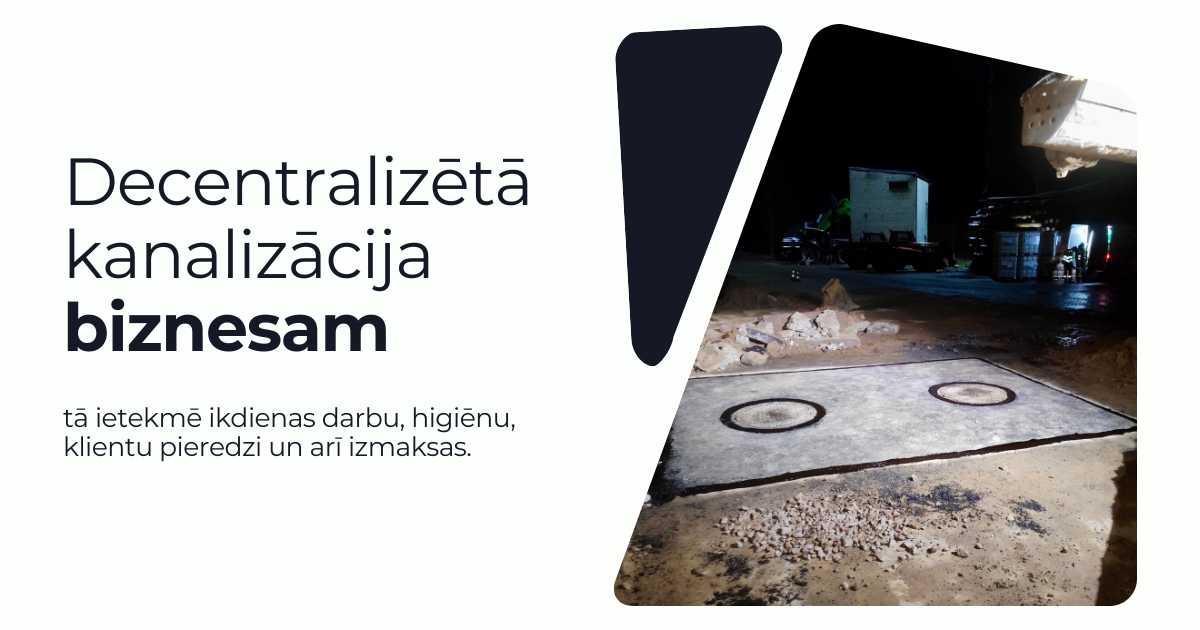
    How we installed an AT-12 under a roadway in Suntaži

    The site is in an active production area with regular lorry traffic. This meant the new biological treatment plant not only had to provide high-quality wastewater treatment for up to 10 people, but also withstand heavy mechanical loads from traffic.

    First we assessed the connection options, the existing sewer, the layout of the building and the traffic flow in the yard. The ideal location for the plant turned out to be right under the roadway, between the building and the yard where vehicles stop every day.

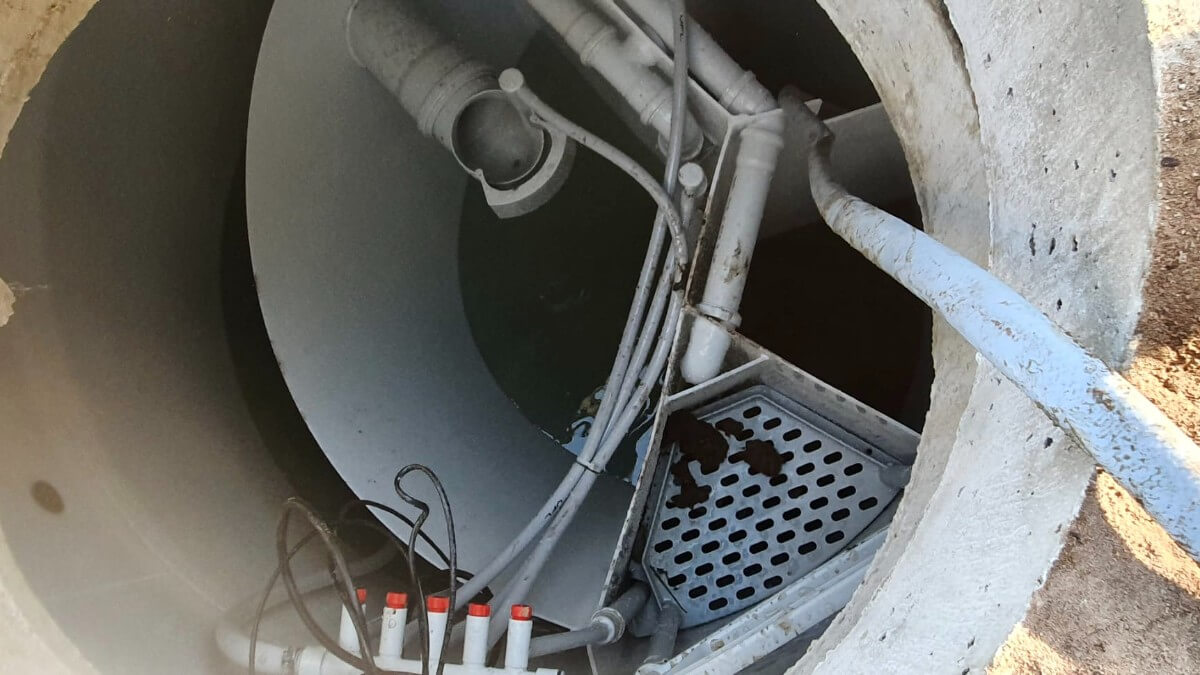
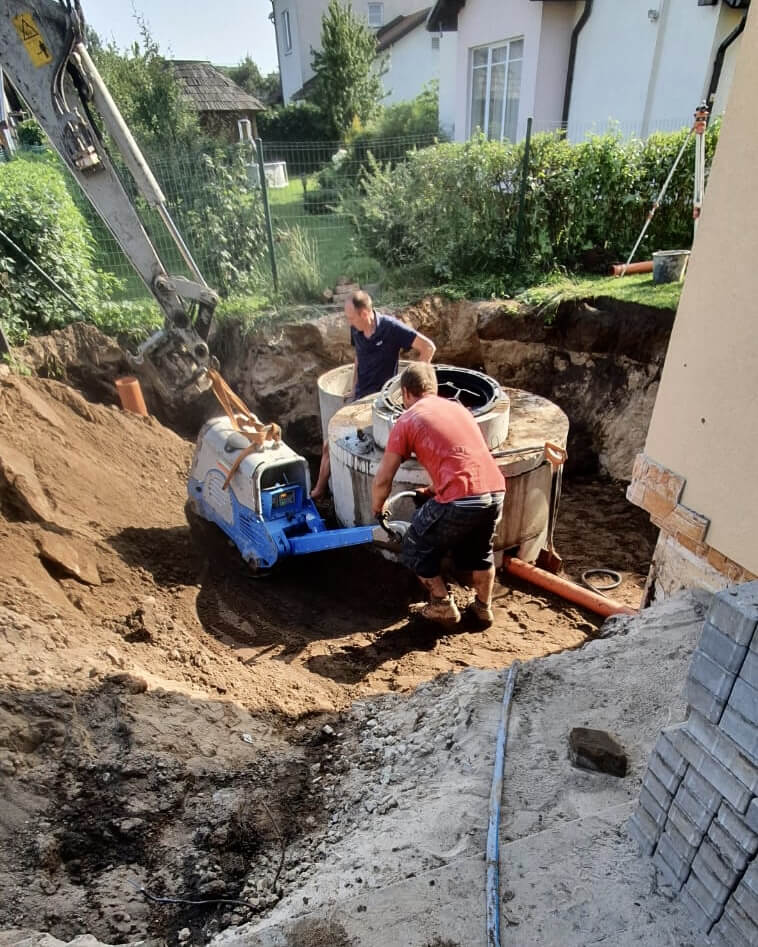
    Next came the excavation and building the concrete ring shaft. The AT-12 plant was installed inside a concrete ring shaft, which provides extra mechanical strength and safety when lorries drive over it. We filled the plant with water, connected the inlets and the treated-wastewater outlet, and prepared the air supply and power connection for the AUGUST control unit.

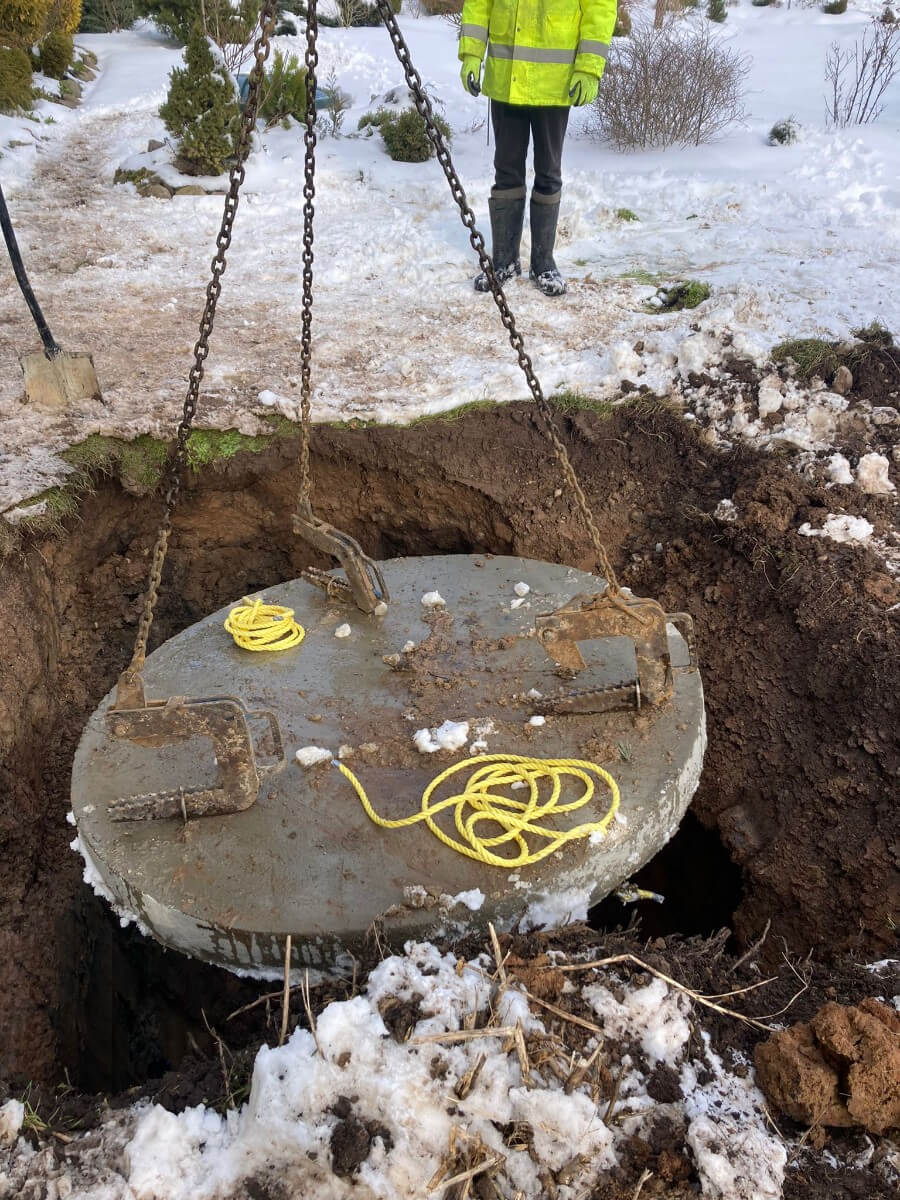
    Once all the technical connections were ready, we used machinery to lay heavy concrete cover slabs. This step is essential so that the traffic load is distributed evenly and the treatment plant does not settle or get damaged in the long term.

    Frequently asked questions

    Can a business use a biological treatment plant?
    Yes, if the capacity is chosen correctly and the specific load pattern is taken into account.
    Does a variable load disrupt the biological process?
    If the solution is chosen correctly and the system is maintained, it's not a problem. An incorrectly chosen capacity, however, can cause problems.
    Does a business need to register a decentralised sewerage system?
    If the site is not connected to the central sewer, in many places the system must be recorded according to the municipality's procedure.

    If you want to find out which sewerage solution will be safest and most cost-effective for your business, get in touch. We will assess the site and the load and prepare a specific quote.