Mon–Fri 8:00–17:00 Consultations: +371 20 010 699 Maintenance: +371 29 997 166

Blog

  • Biological sewerage compressor: what is it for?

    Biological sewerage compressor: what is it for?

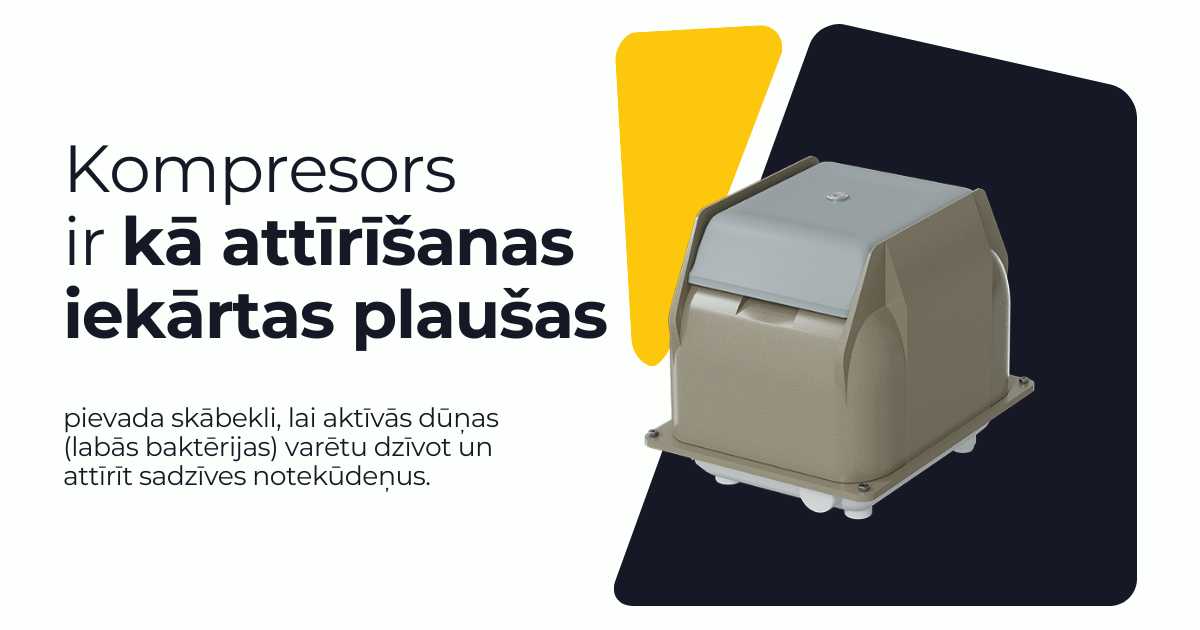
    A biological wastewater treatment plant works thanks to a natural process carried out by microorganisms. For these microorganisms to break down organic matter efficiently and for treatment to be stable, the plant often needs one important component: a biological sewerage compressor.

    Simply put, the compressor supplies air. This air is used in the plant for aeration, which helps keep the active microorganisms working. Without aeration the biological process weakens, and the plant can start working erratically: odours appear, treatment quality drops and the risk of problems increases.

    What exactly does the compressor do?

    The compressor’s main job is to supply air to the aeration zone. In practice this means maintaining an environment in the plant in which the ā€œgood bacteriaā€ can work efficiently. This is especially important if the house has a regular load, uses a washing machine and dishwasher, and the daily volume of wastewater varies.

    The compressor may run continuously or in cycles, depending on the plant’s design and controls. This is normal operation, not a fault. What matters more is that the compressor runs evenly and has a sufficient air supply.

    How can you tell the compressor needs maintenance?

    The compressor is a mechanical device and over time it may need maintenance. The most common signs are:

    • the compressor is louder than usual
    • the air flow decreases (for example, the filter is clogged)
    • the compressor stops working or works intermittently

    Sometimes cleaning or replacing the filter is enough; other times a service check is needed.

    What not to do, so you don’t damage the compressor and treatment

    • don’t disconnect the compressor for long periods if the plant is in daily use
    • don’t use large amounts of aggressive chemicals, as they damage the biological process
    • don’t leave the compressor where it can get wet or flooded

    Frequently asked questions

    Does the compressor use a lot of electricity?
    Consumption is usually low, but the exact figure depends on the model and operating mode.
    Will the sludge survive if the compressor stops?
    The plant needs a compressor to supply it with oxygen. If the compressor has been off for more than 72 hours, the sludge may die off.

    If you suspect the compressor isn’t working as it should, the safest option is to book maintenance in good time. This often costs less than a situation where the problem has been left too long and the whole system has to be restored.

  • Installing biological treatment plants off-season: why it can pay off

    Installing biological treatment plants off-season: why it can pay off

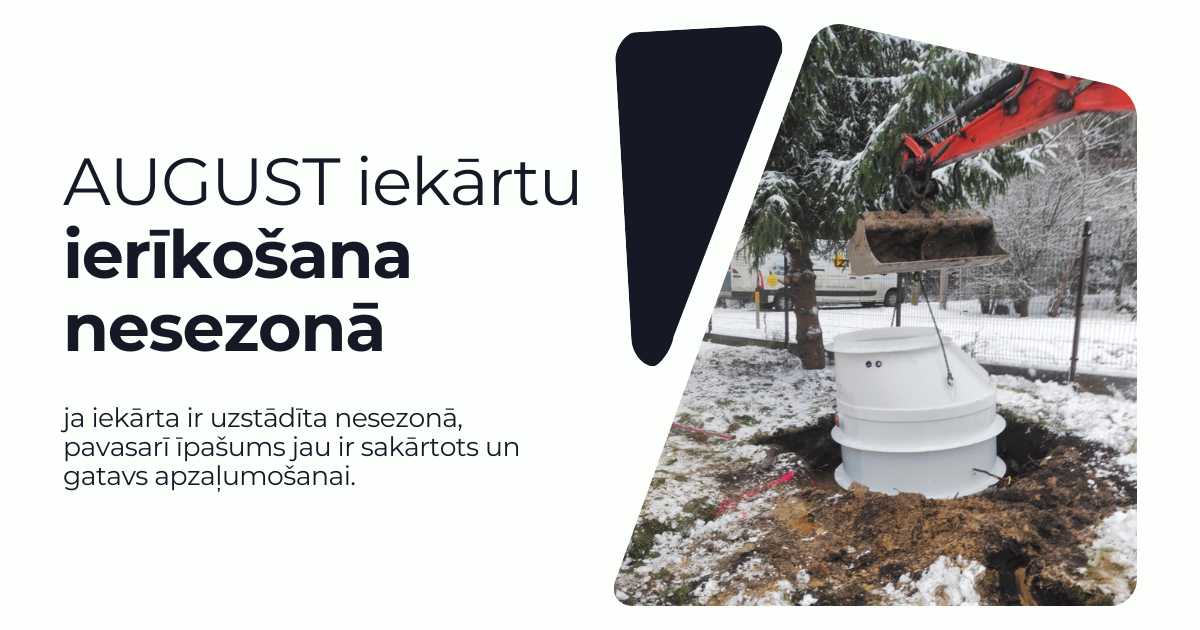
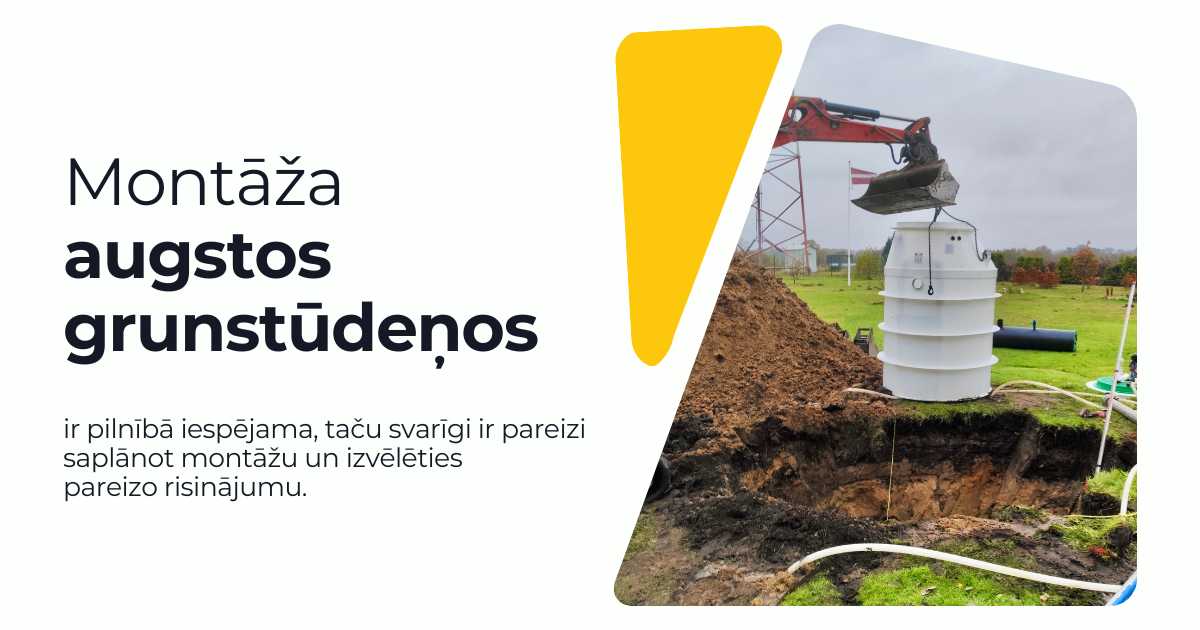
    Many homeowners put off building their sewerage until spring or summer, thinking ā€œit’ll be easier thenā€. In practice, though, installing a biological treatment plant off-season is often not only possible but also worthwhile. If the work is planned properly and the weather and soil conditions are taken into account, the system can be installed in autumn or early winter too.

    Shorter lead times and more flexible scheduling

    Off-season it is usually easier to agree on an installation date, because demand is not as high as in spring. This means the work can be scheduled sooner and fitted more flexibly around the customer’s plans. As a result, there’s no waiting list and no rush to ā€œget it done before summerā€, when many people are trying to sort out their properties at the same time.

    Ready for spring and less stress

    Another benefit is simple: if the plant is installed off-season, the property is already sorted by spring. This is especially relevant if you are planning to have the house officially commissioned, carry out construction on the site, or simply want to avoid water, odours or overflows appearing in spring and having to ā€œdeal with it urgentlyā€.

    When is off-season installation a particularly good choice?

    Off-season installation is often chosen if:

    • you want to sort out the sewerage quickly before spring
    • you plan to pave or landscape the site in spring
    • the discharge solution is clear and there is access for machinery
    • you want to avoid spring ā€œpeakā€ prices and busy schedules

    What must you consider in autumn and winter?

    For a quality installation, it’s important to assess the soil and site conditions. If the groundwater is high, a secure base and, if needed, anchoring must be planned. Access for machinery also matters, as does whether correct discharge can be ensured during periods of heavy rainfall.

    Frequently asked questions

    Can the plant work normally in winter?
    Yes, if it is installed correctly and used properly. The key is correct installation and the right discharge solution.
    Is off-season installation cheaper?
    In some cases lead times may be better or schedules more flexible, but the final price is usually influenced more by soil conditions and the discharge solution.
    Does such a solution need to be registered?
    If the property is not connected to the central sewer, in many places the decentralised system must be recorded according to the municipality's procedure.

    If you want to know whether off-season installation is possible on your property, get in touch. We will assess the conditions and recommend the safest solution.

  • AUGUST biological wastewater treatment plants – a reliable solution even after 10 years

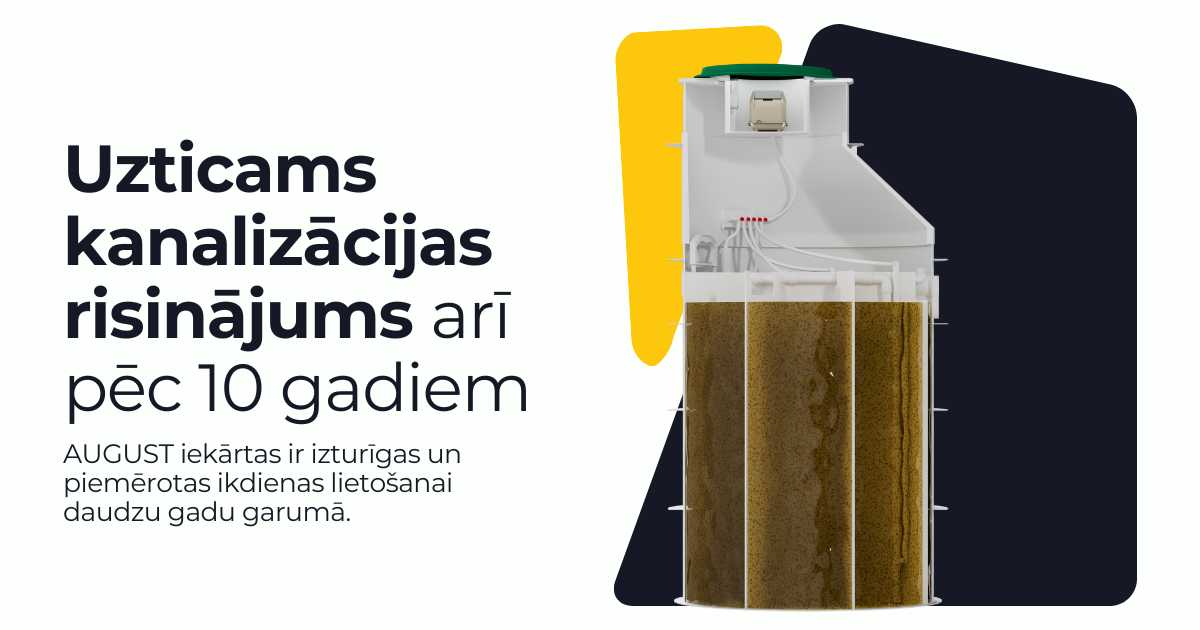
    AUGUST biological wastewater treatment plants – a reliable solution even after 10 years

    When choosing a sewerage solution for a private house, people are usually looking for one thing: a system that works reliably, doesn’t smell and doesn’t need constant fiddling. That’s exactly why AUGUST biological wastewater treatment plants are a popular choice: they are built for the long term and designed for real everyday loads.

    What makes a plant reliable in the long term?

    Reliability is not just ā€œa good brandā€. It is made up of several practical things the owner notices every day. For example, the material and construction matter: they must not be affected by moisture, temperature fluctuations or soil pressure. Just as important is simple, understandable technology that can be maintained and checked without unnecessary costs.

    For a plant to keep working after 10 years, it also matters how easy it is to maintain and whether service is available. If maintenance is straightforward and service is available, the system keeps its treatment quality stable for a long time.

    Why do owners choose AUGUST?

    AUGUST plants are often chosen because they combine several advantages in one solution:

    • stable day-to-day operation and less risk of odours
    • predictable running costs compared with solutions that need frequent pumping out
    • the discharge solution can be adapted to the specific property
    • suitable for both permanent living and seasonal loads (with the right choice and use)

    What should you keep in mind for the plant to really last?

    Even the best plant is only as good as its installation and use. That’s why three basics are especially important:

    • the right capacity for the number of people
    • a properly planned treated-water discharge solution
    • regular maintenance and sensible everyday use

    In everyday life this also means simple things: no wet wipes, oils or large amounts of aggressive chemicals in the sewer. These are the factors that most often cause problems for any biological system.

    Frequently asked questions

    Can the plant really last 10 years or more?
    Yes, if it is installed correctly, the right capacity is chosen and it is maintained regularly.
    Will spare parts and service still be available years from now?
    Yes. That's one of the reasons people choose a reliable brand like ours, with service options and clear technical support.
    Does such a system need to be registered?
    If the property is not connected to the central sewer, in many cases the decentralised system must be registered according to the municipality's procedure.

    If you want to find out which AUGUST model suits your property, get in touch. We will recommend a solution, plan the discharge and prepare a clear quote for installation and service.

  • How much does a biological treatment plant and its installation cost? A full cost guide for 2026

    How much does a biological treatment plant and its installation cost? A full cost guide for 2026

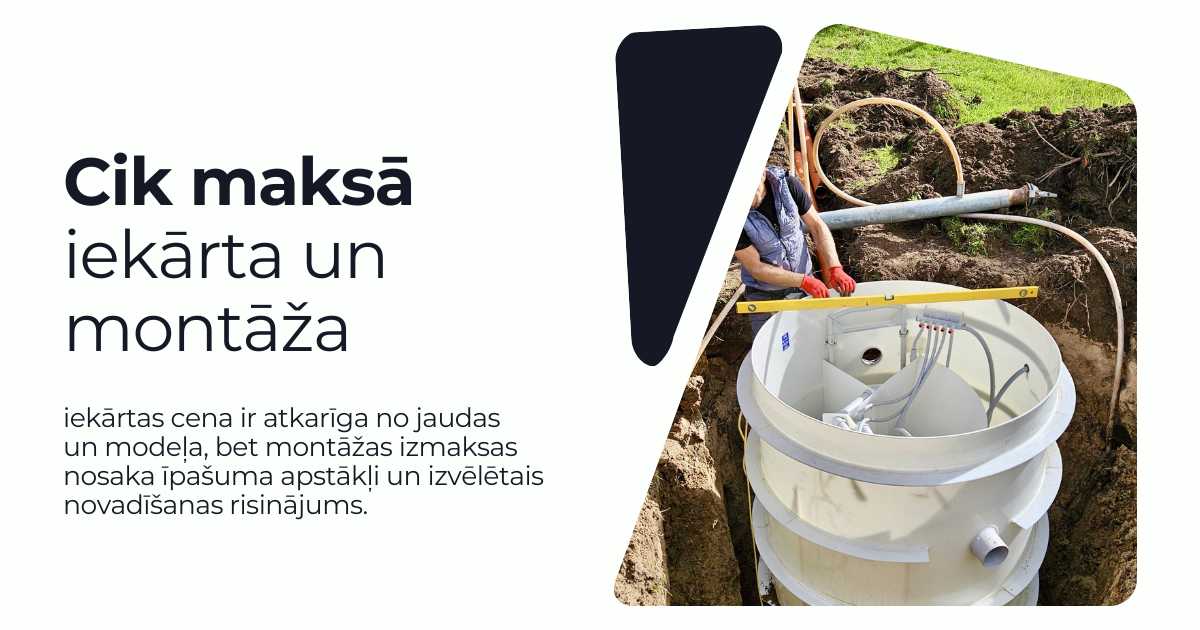
    When planning to build or renovate a private house, dealing with wastewater is a priority. When looking into the cost of biological treatment, it’s important to understand that the total investment includes not only the plant itself, but also its installation and long-term upkeep.

    In this article we give a detailed overview of the cost items so you can plan your budget accurately and without unpleasant surprises.

    What makes up the cost of a biological treatment plant?

    The total estimate is usually divided into three main stages. Understanding each of them helps you make an informed decision that will save money in the future.

    1. Buying the plant (technology)

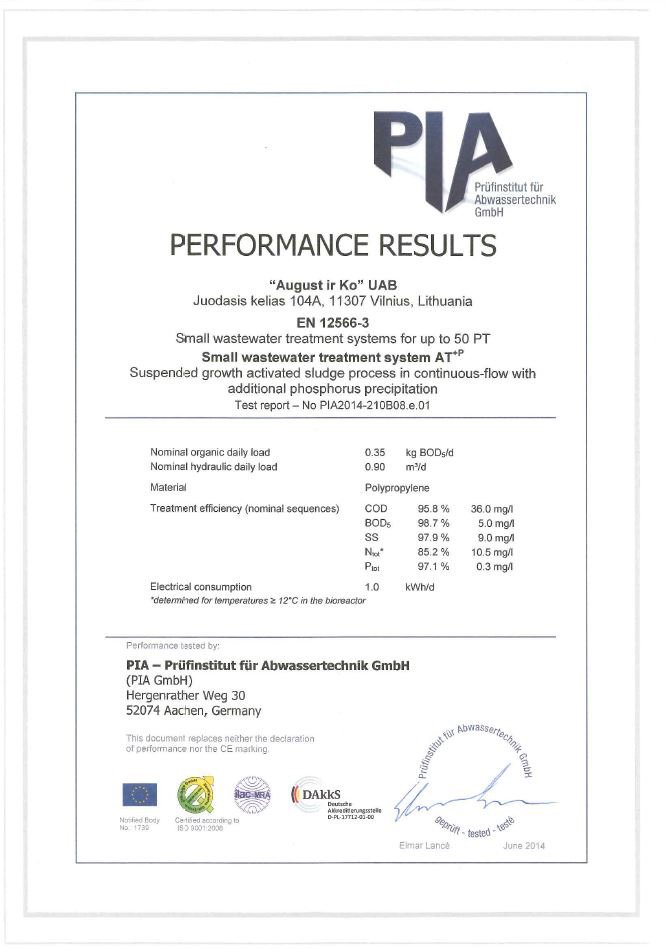
    The price is mainly determined by the plant’s capacity (number of people in the household) and the volume of wastewater treated. The AUGUST AT series plants offered by LZT Latvia stand out with 98.2% treatment efficiency, one of the highest figures on the Latvian market.

    • For small households and summer cottages (1–4 people): the most popular model is the AT-6.
    • For larger families or several houses: more powerful models are used (AT-8K, AT-10, etc.).

    2. Installation and materials

    Installation costs are the variable part, affected by your property’s terrain and soil composition. They include:

    • Earthworks (digging with an excavator).
    • Materials (concrete base, pipes, power cables).
    • Groundwater lowering works.

    3. Design and documentation

    For the system to be legal, you need a design approved by the building authority and proof that the plant complies with EU standards (EN 12566-3).

    Approximate costs: a standard family solution (AT-8K model)

    To give a realistic picture, we have compiled average market prices in 2026 for a standard private-house project:

    ItemApproximate price (EUR)What’s included?
    Plant (AUGUST AT-8K)2030Tank, compressor, control unit, small lid
    Installation work850 – 1 400Machinery, labour, installation
    Materials450 – 750Pipes, cables, concrete base
    Design500Preparing documents and approvals
    TOTAL3 500 – 4 800A complete system, ready to run

    Note: Prices are indicative and may vary depending on the season and the complexity of the site.

    Factors that can increase or reduce costs

    When choosing the cheapest offer, specific situations that make the process more expensive later are often overlooked:

    1. High groundwater level: groundwater lowering, anchoring or a raised tank design is needed to stop the tank ā€œfloatingā€ out of the ground.
    2. Soil type: building an infiltration field in clay soil is more expensive than in sandy soil, because wastewater has a harder time soaking into the ground.
    3. Distance: the further the plant is from the house, the higher the pipe and excavation costs.

    Why should the cost of biological treatment be judged over the long term?

    When buying a cheaper unit (such as an ordinary septic tank), the initial saving may seem attractive. But over 5–10 years:

    • Maintenance frequency: quality plants need sludge removed less often.
    • Electricity: an energy-efficient compressor pays for itself within a couple of years.
    • Environmental pollution: poorly treated water can contaminate your own or your neighbours’ well water, causing huge losses and odours in the yard.

    We also offer Inbank deferred payment, which lets you install a top-class AUGUST plant today and spread the payment into instalments.

    Frequently asked questions

    Does high groundwater mean it will be very expensive?
    Not always, but in such conditions additional work is more often needed, so the cost may rise.
    Can I buy a biological sewerage system on lease?
    Yes, in many cases the plant can be bought on lease, spreading the cost over monthly payments.
    How much does plant maintenance cost?
    On average, an annual service costs from 150 EUR. Maintenance is mandatory once a year and is regulated by Latvian law to prevent environmental pollution. After maintenance you receive a certificate of the work done, which you submit to your municipality.

    Every site is unique, so the best way to find out the exact cost is a consultation with our project manager. We will help you choose the most suitable solution and calculate all the installation costs.

  • A complete sewerage and water solution with an AUGUST AT-6 in Riga

    A complete sewerage and water solution with an AUGUST AT-6 in Riga

    A customer in Riga wanted to sort out all their utilities in one project: build a sewer, set up stormwater drainage and connect the property to the central water main. Our task was to do it so that the customer didn’t have to get involved in the technical approvals and the work went smoothly: with a clear plan, timelines and commissioning.

    Three systems in one project

    We started with the water supply connection. We connected the property to the central water main, prepared the route, carried out the connection work and sorted out the paperwork. As a result, the customer has a stable, safe water supply that needs no extra attention day to day.

    The next step was the sewerage. For this property we installed an AUGUST AT-6 biological treatment plant, designed for up to four permanent residents. This solution suits an urban setting, where you want a tidy system without odours and with clear maintenance requirements. For the plant to work reliably in the long term, a well-planned discharge solution and properly made connections are also essential.

    The third part was the stormwater sewer. We built a system that collects rainwater from the roof and grounds and drains it away in a controlled manner, so the yard doesn’t turn into a puddle zone and the building’s foundations don’t suffer from excess moisture. In practice this means less risk of flooding after heavy downpours and a tidier site all year round.

    Stress-free, with approvals and handover

    The biggest benefit of a project like this is that all the systems are coordinated with each other during design and construction. This reduces the risk of later having to break up paving, move chambers or change gradients. For the customer it also means clear costs and one contact person to turn to both during construction and afterwards, if service is needed.

    What the customer got

    • one responsible team for all utilities
    • approvals and paperwork handled by us
    • full construction and a properly commissioned site
    • a solution that remains clear and manageable after the work is done

    Frequently asked questions

    Can water, sewerage and a stormwater sewer be built at the same time?
    Yes, and it is often better value, because the work is planned together and the pipe runs don't have to be redone several times.
    Why choose a biological plant in the city?
    If a central sewer is not available or a connection is not practical, a biological plant gives you a modern solution with predictable maintenance costs.
    Is getting approval from Rīgas ūdens complicated?
    The main thing is correctly prepared documents and proper execution.
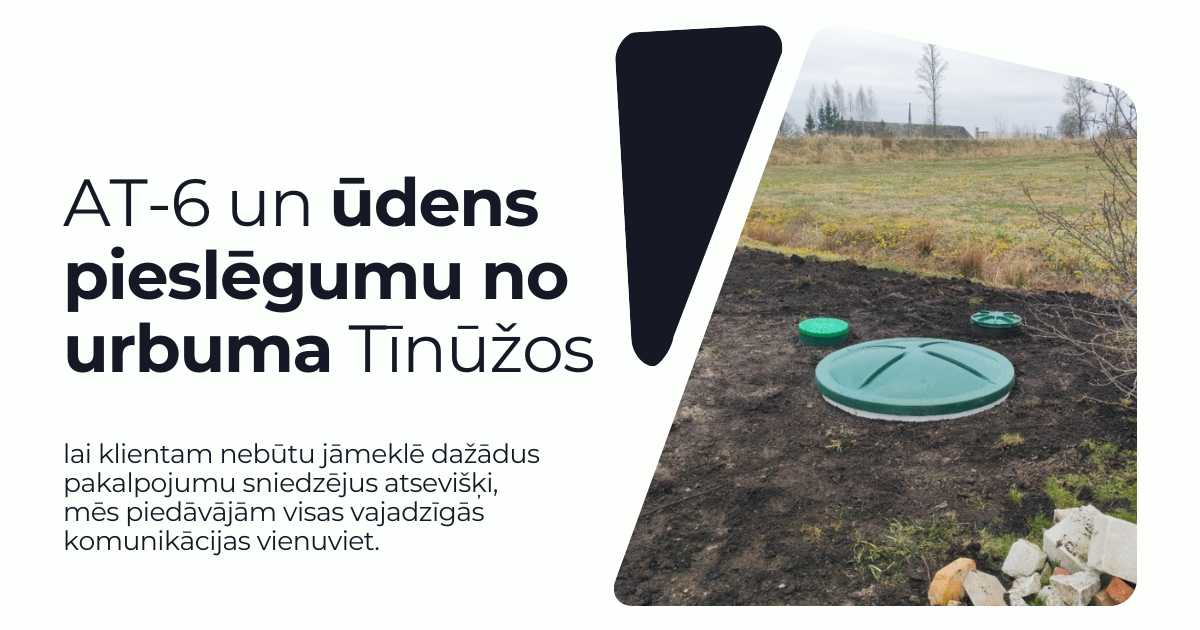
  • How we built a sewerage system with an AUGUST AT-6 and a water connection from a borehole in TÄ«nūži

    How we built a sewerage system with an AUGUST AT-6 and a water connection from a borehole in Tīnūži

    A customer from TÄ«nūži came to us with a clear goal: to set up the property so that it would be as independent and convenient as possible in everyday life. Until then the house had temporary solutions that worked, but in the long run the customer wanted stability and control over both the water supply and the sewerage. So we agreed on the full scope of work, so that the customer wouldn’t have to look for several contractors and everything would be sorted out in one project, with one responsible team and a clear timeline.

    Water connection from the borehole to the house

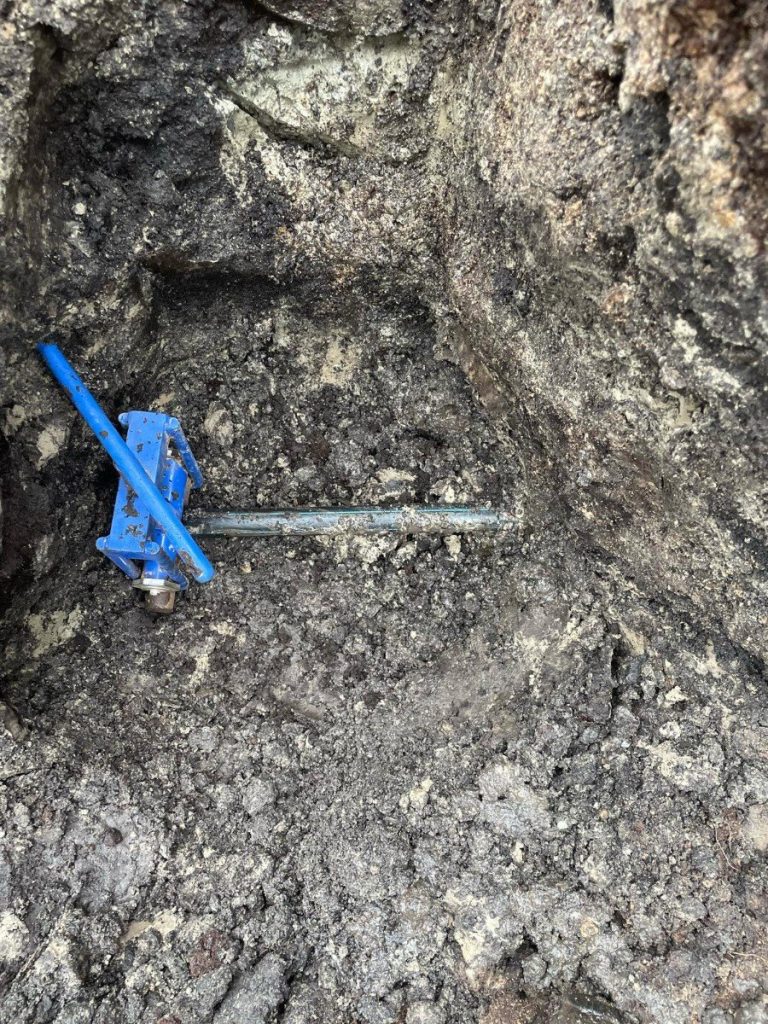
    The first step was to provide a permanent water supply from the customer’s own borehole. Once the borehole was finished, we connected and plumbed in the system, prepared the necessary technical equipment and ran a water pipe about 30 metres from the borehole to the house. To make sure the water supply works safely and evenly, we checked the pressure, the watertightness of the joints and that the system is easy to access for maintenance. As a result, the customer got an independent water source – a practical solution where a central connection is unavailable or not cost-effective.

    Sewerage with an AUGUST AT-6 and a pumping station

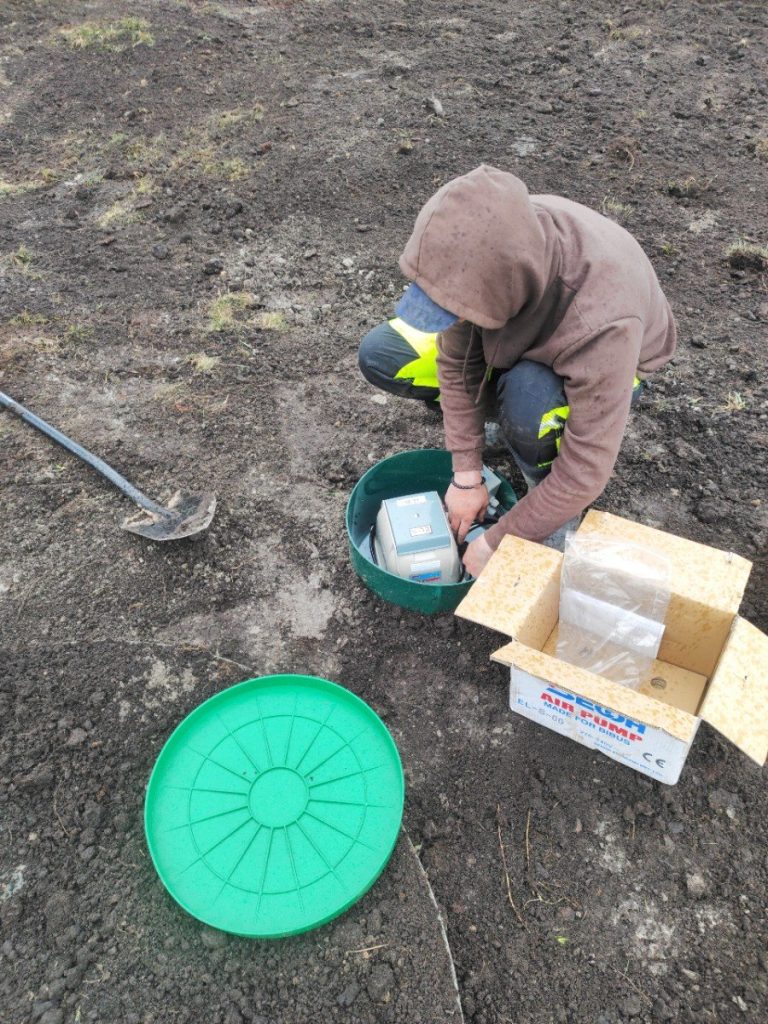
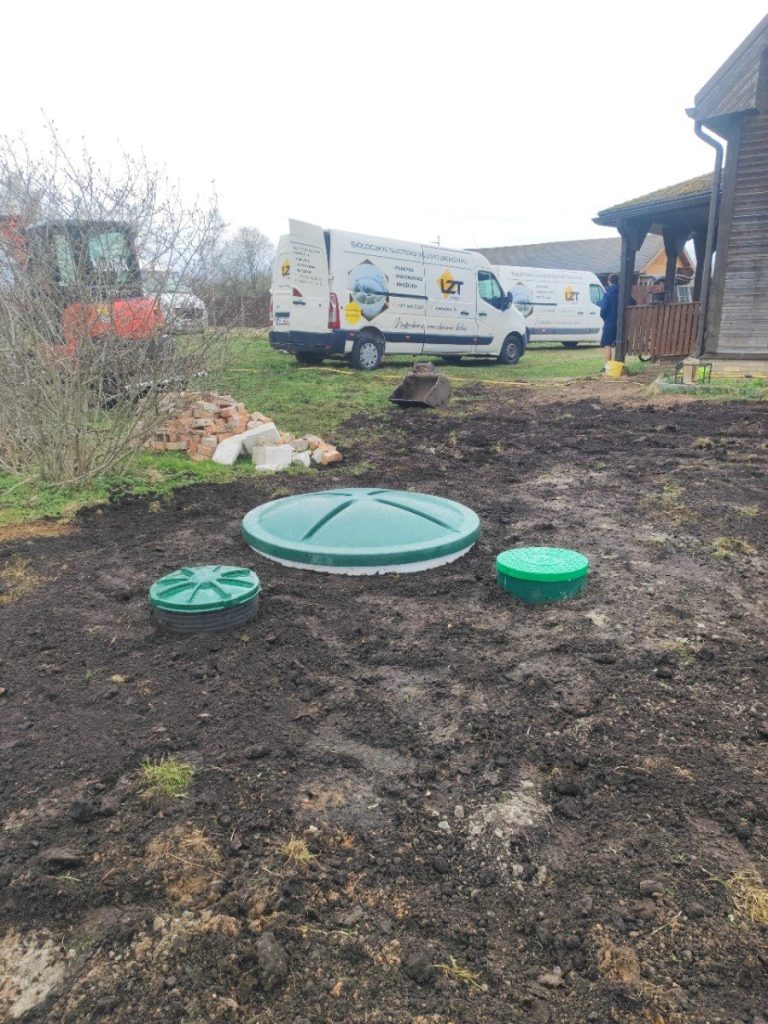
    For the sewerage system we chose the AUGUST AT-6 biological treatment plant, a compact and reliable solution for a family home. To ensure stable operation and convenient discharge of treated water in these conditions, we included a pumping station in the system. This allows the treated water to be discharged in a controlled way even when the terrain or distances require an additional solution.

    During the work we also explained the key principles of use to the customer, so the system works without surprises. These everyday habits help the most:

    • no wet wipes or hygiene products in the sewer
    • don’t pour large amounts of fat and oil down the sink
    • use aggressive chemicals sensibly, especially in large quantities

    The result: a self-sufficient, well-organised property

    Now that the work is complete, the property has both a water supply from its own borehole and a sewerage system with an AUGUST AT-6. The customer got a solution that is clear, predictable and convenient in everyday life. And compared with holding tanks, this kind of solution helps cut down on having to arrange regular pumping out and plan for unexpected costs.

    If you also need to sort out your water and sewerage, get in touch. We will recommend the most suitable solution for your property and prepare a clear plan with costs, timelines and next steps.

  • Where to discharge treated wastewater? 3 safe options with AUGUST plants

    Where to discharge treated wastewater? 3 safe options with AUGUST plants

    When choosing a biological treatment plant for a private house, one of the most important questions is a very practical one: where should the treated wastewater go? Even if the plant treats very well, the final solution always depends on the conditions of the specific property, the soil, the terrain and the discharge options.

    To make the choice safe and clear, below we have summarised the 3 most popular options that are most often used with AUGUST plants.

    How to tell which option is most suitable

    Before you choose a discharge method, it is worth assessing 4 things:

    • the soil composition and its ability to absorb water (sand usually ā€œtakesā€ water better than clay)
    • the groundwater level in different seasons, especially in spring
    • the terrain and whether pumping is needed
    • nearby drainage features, such as a ditch or land drainage system

    The more precisely you understand this, the lower the risk that after rain or in spring the system will start ā€œliving a life of its ownā€.

    1) Infiltration field

    Infiltration is one of the most popular solutions because it is simple, quiet and visually unobtrusive. The treated water soaks into the ground, where it is filtered further and dispersed over a wider area.

    This option works best where the site drains well and the groundwater is not high. If the soil is heavy and wet, however, infiltration can become slow, and then another solution or additional technical components need to be planned.

    2) Ditch or land drainage system

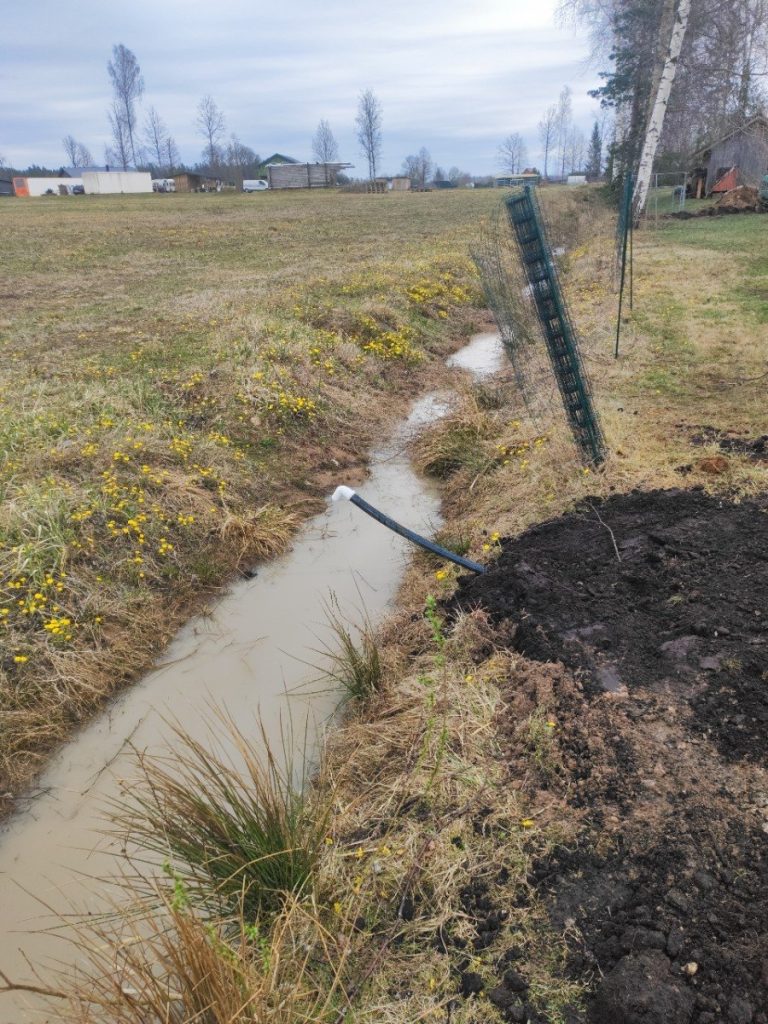
    If there is a ditch or land drainage system near the property, the treated water is often discharged straight into it. This is especially convenient if the terrain allows a natural flow or a pumping station can be installed.

    It’s important to make sure the discharge is permitted and complies with local regulations. In practice this also means the treated water is visually clean, odourless and free of visible impurities.

    3) An open water body, such as a pond

    The third option is to discharge the treated water into an open water body, such as a pond. On some properties this is a good way to maintain the water level in drier periods, but you need to be especially careful about the impact on the environment and local conditions.

    If you choose this option, take a conservative approach: assess the volume of the water body, its water exchange and whether the pond is closed or connected to other watercourses.

    AUGUST treatment quality

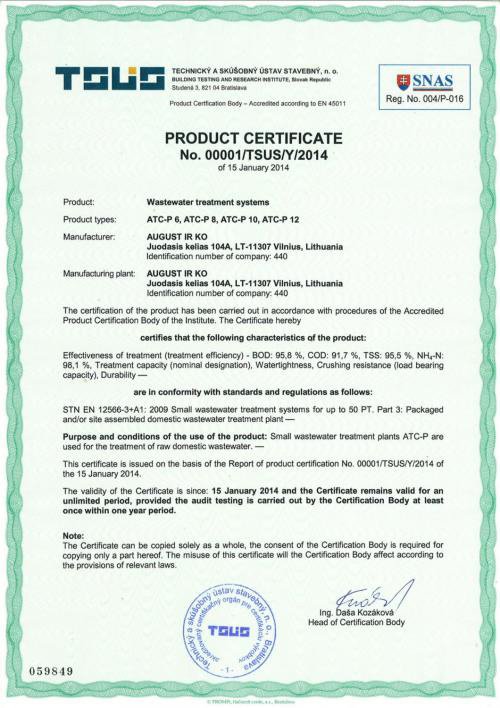
    AUGUST plants are CE certified, and the treated water parameters (according to certification) are usually very high, for example:

    • BODā‚… ≤ 5 mg/l
    • Suspended solids ≤ 5 mg/l
    • Ammonium nitrogen ≤ 1 mg/l

    In practice this means the water is visually clean and odourless after treatment, which opens up several safe discharge options.

    Frequently asked questions

    Can I always choose any of the 3 options?
    No. The choice depends on the soil, groundwater, terrain and local conditions. That's why a ditch ā€œworksā€ for one property, while infiltration is safer for another.
    What if the terrain doesn't let the water flow to the discharge point?
    In such cases a pumping station is usually used, so the discharge can be controlled and a steady flow ensured.
    How can I tell that infiltration won't work on my property?
    If the area is constantly wet, water ā€œstandsā€ in spring or the soil is very clayey, infiltration often becomes problematic without additional solutions.

    If you want to be sure where to discharge treated wastewater on your property, the quickest way is to assess the soil, terrain and discharge options on site. We will help you choose the most suitable solution and plan the whole system so it works reliably after rain and in spring too.

  • Biological wastewater treatment where groundwater is high: what to know before installing?

    Biological wastewater treatment where groundwater is high: what to know before installing?

    Biological wastewater treatment with high groundwater is entirely possible, but it’s important to plan the installation correctly and choose solutions that protect the system in the long term. High groundwater often makes people think installing a biological plant will be difficult or even impossible, but in practice everything can be solved if the right steps are followed.

    The main challenge in high-groundwater areas is upward pressure and waterlogged soil. If the plant is not secured properly, there is a risk that over time it may shift or even ā€œfloat upā€. So on such sites you can’t rely on a standard approach – additional safety measures must be planned.

    Biological wastewater treatment with high groundwater: the 3 key prerequisites

    These are the three things that most often decide the outcome:

    1. Lowering the groundwater during installation
    To prepare a stable base, the groundwater is usually pumped out during installation. This allows a good base to be built and the soil around the plant to be compacted properly.

    2. Anchoring
    With high groundwater, the plant needs anchoring so that it stays firmly in place after rain, in spring or during sudden groundwater fluctuations. This is one of the most important points for safe operation.

    3. Pumping station
    Wastewater can’t always flow into the plant by gravity alone. If the terrain or soil conditions require it, a pumping station ensures a steady wastewater supply and safer system operation.

    Extra tips that help avoid problems

    For the system to work reliably, the following also often help:

    • a well-chosen plant location with access for maintenance
    • a properly planned treated-water discharge solution
    • good soil compaction and suitable backfill materials
    • sensible use, so the biological process stays stable

    Frequently asked questions

    Does high groundwater mean a biological plant won't work?
    No, it can work very well if the installation is planned correctly and the plant is anchored.
    Will I always need a pumping station?
    Not always. It depends on the terrain, the pipe routes and whether gravity flow is possible.
    What happens if the plant is not anchored?
    There is a risk that over time the plant may shift, which can cause damage and unstable operation.

    If your property also has high groundwater, that is no obstacle to a modern sewerage solution. Get in touch and we will find the safest installation and discharge solution for your situation.

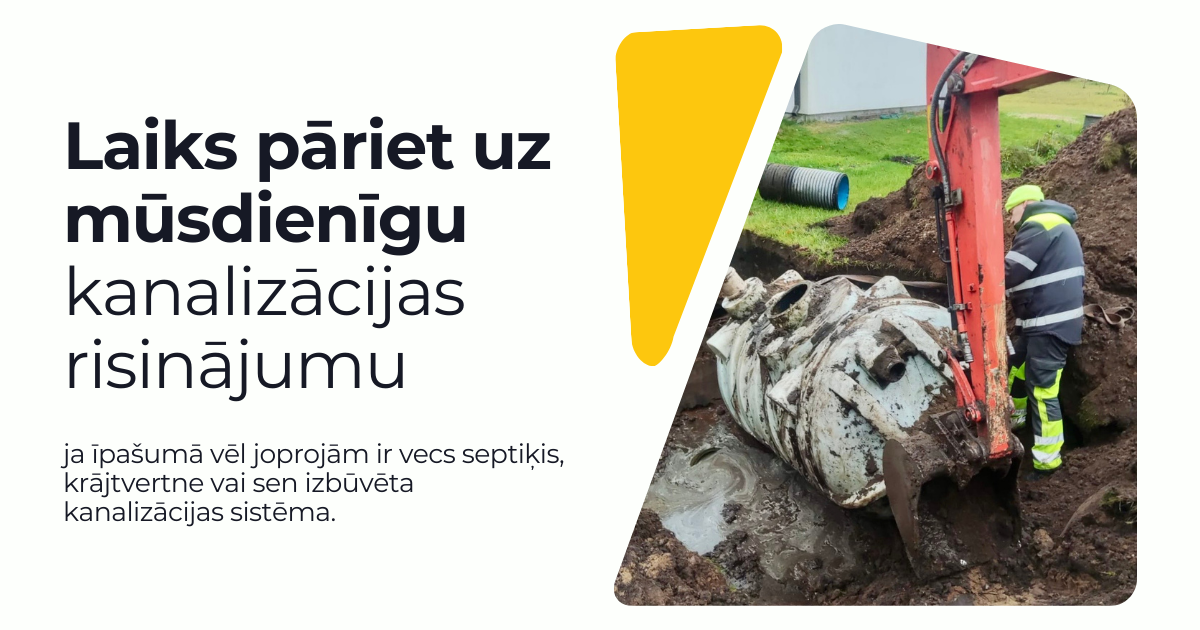
  • Dismantling an old sewerage system – time to switch to a modern solution

    Dismantling an old sewerage system – time to switch to a modern solution

    If your property still has an old septic tank, holding tank or a sewerage system built long ago, sooner or later there comes a point when dismantling the old sewerage system is the sensible step. Usually this is not ā€œbecause you want something newā€, but because the old system starts causing everyday problems and costs that are no longer reasonable.

    When is dismantling justified?

    The first signs usually appear gradually. At first it may seem like ā€œnothing muchā€, but over time it becomes clear that the system no longer works reliably. The most typical signs are:

    • a smell in the yard or near the tank lid
    • more frequent pumping out than before and rising costs
    • overflows after rain or in spring, puddles and waterlogged areas
    • suspicion that the tank is not watertight or groundwater is leaking in
    • an old infiltration field that no longer absorbs water and causes repeated problems

    In such situations people often try to repair the old system, but in reality this tends to be a short-term fix. Old septic tanks and holding tanks crack, infiltration fields clog, and if the soil conditions are unsuitable, the problems come back. That’s why it is often better value to sort everything out once and switch to a modern solution such as a biological wastewater treatment plant.

    How is an old sewerage system dismantled?

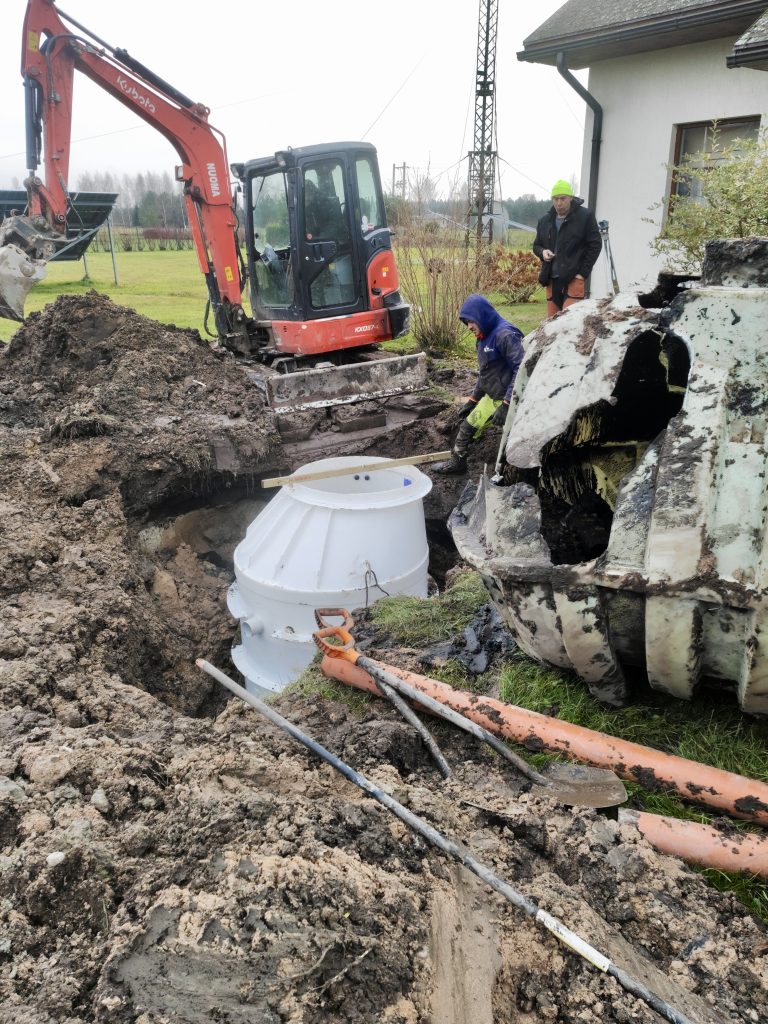
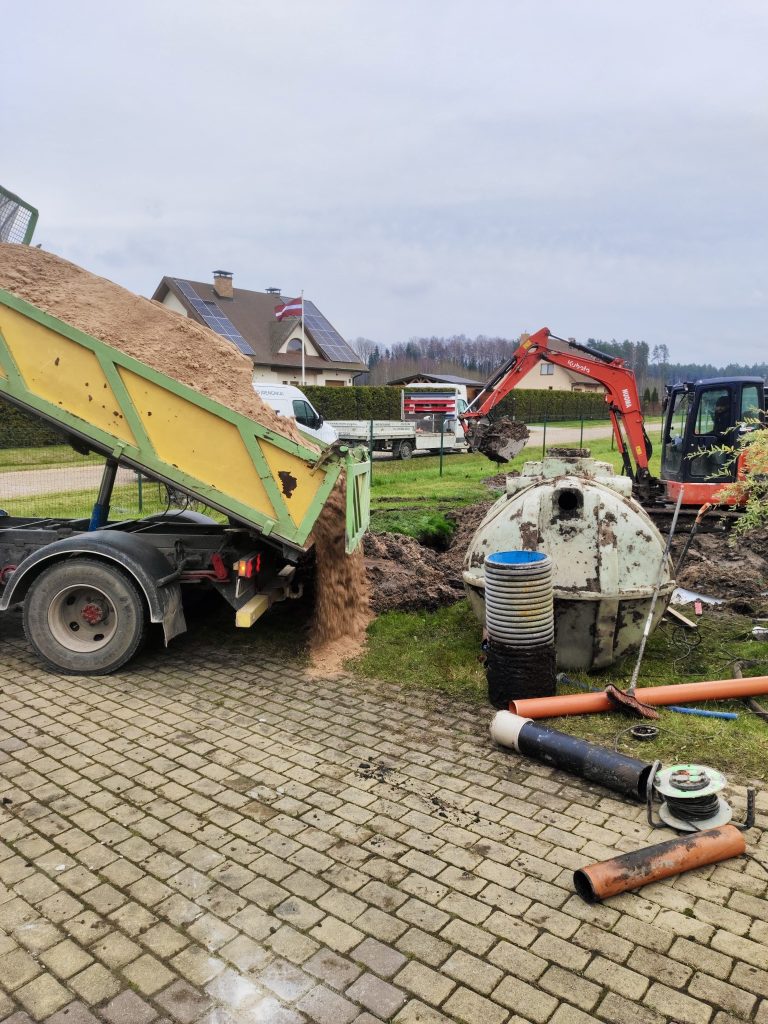
    It’s important to understand that dismantling is not just ā€œdigging out the tankā€. The right approach usually starts with emptying the system and removing its contents, so there is no risk of pollution during the earthworks. The system is then disconnected from the house sewer, and we assess what to do with the structure. Depending on the situation, the tank can be lifted out or properly neutralised and filled so that no subsidence occurs in the future. Finally, the pit and the ground are levelled so that the site is safe and ready for the next solution.

    Why do people often switch to biological treatment?

    Very often dismantling is done together with installing a new system, such as a biological wastewater treatment plant. This gives you predictable operation, less risk of odours and clear maintenance costs in a single project, and avoids a situation where the old system keeps getting ā€œpatched upā€ without a lasting result.

    Frequently asked questions

    Can an old septic tank or holding tank simply be filled in?
    Before filling in, the system must be emptied and the risk of pollution eliminated. In some cases the tank is lifted out; in others it is properly neutralised and filled so that no subsidence occurs later.
    How long does dismantling a sewerage system usually take?
    On simple sites the work can be done quickly, but the timeline is affected by access for machinery, depth, soil conditions and arranging the emptying.
    Can the old system be dismantled and a new solution installed straight away?
    Yes, and this is often the best-value scenario, because the old system and the pipe runs and discharge for the new system are all sorted out in one go.
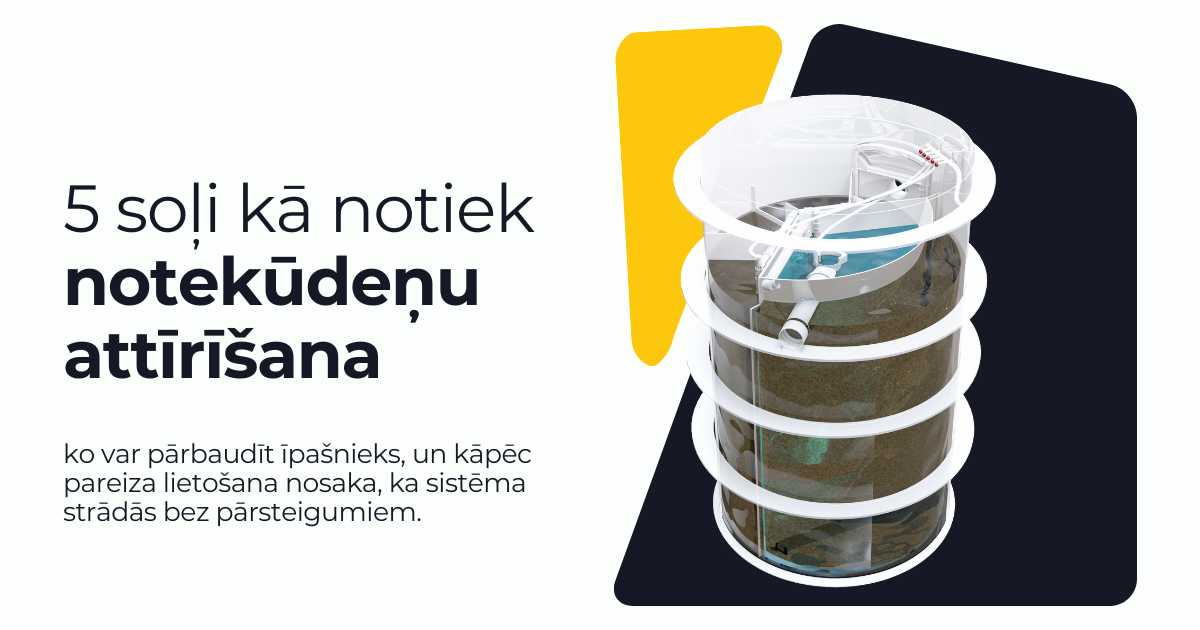
  • How does biological wastewater treatment work?

    How does biological wastewater treatment work?

    Biological wastewater treatment is one of the most effective ways to manage household sewage safely in a private house and reduce the impact on the environment. It is based on a natural process: microorganisms break down the organic matter in wastewater so that the treated water can be discharged safely (in line with the chosen solution and local conditions).

    In this article we explain simply, step by step, how biological wastewater treatment works, what the owner can check, and why correct use + maintenance determine whether the system works without odours or surprises.

    In short: the 5 stages of treatment

    1. Wastewater collection
    2. Mechanical treatment
    3. Biological treatment (microorganisms)
    4. Settling (sedimentation)
    5. Discharge of treated water / use for technical purposes

    1) Wastewater collection

    It all starts with household wastewater from the house (toilet, sinks, shower/bath, washing machine and dishwasher) flowing through pipes into the treatment plant. At this stage, the most important thing is a correctly built connection and gradients, so that the flow is even and blockages don’t occur.


    2) Mechanical treatment (removing larger impurities)

    Before the biological process, the wastewater passes through a mechanical stage, where larger impurities that don’t biodegrade are separated out (e.g. some fibres, pieces of plastic, etc.).

    This stage is important because it protects the system from mechanical faults and helps the next stages work more reliably.

    3) Biological treatment (microorganisms do the main work)

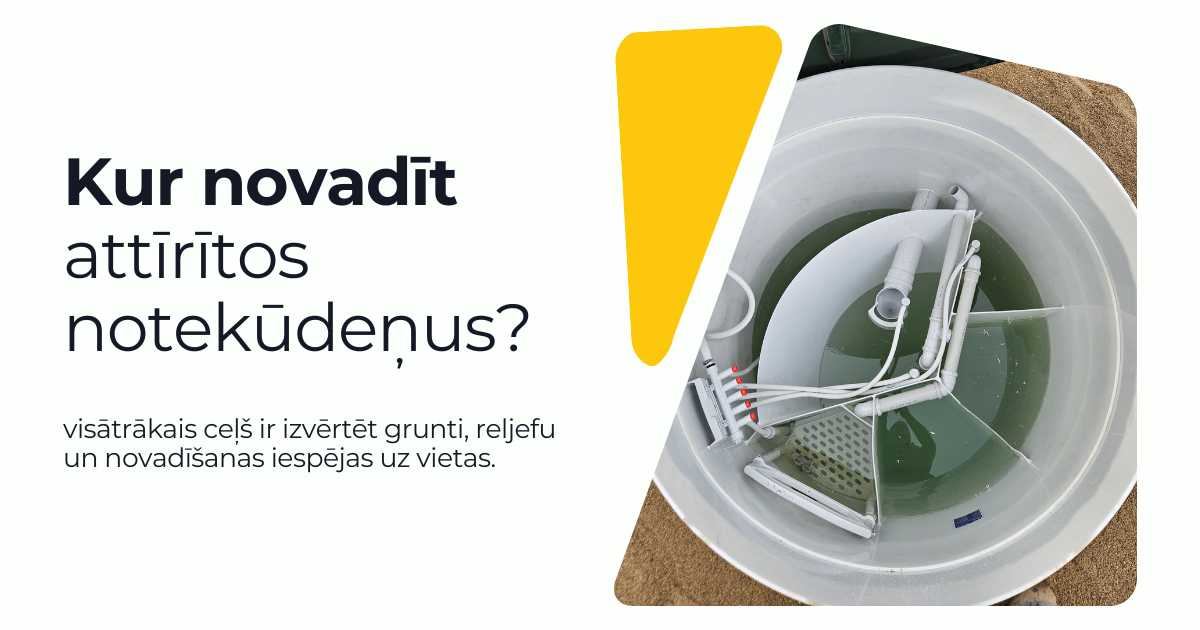
    This is the most important stage. In the biological zone, microorganisms (activated sludge) break down the organic matter in the wastewater. To make the process efficient, the system usually provides conditions that help the microorganisms work steadily (e.g. aeration/oxygen supply, the right flow regime).

    What does this mean for the owner?

    If large amounts of aggressive chemicals or insoluble waste regularly go down the drain, the biological process weakens, and then odours, poorer treatment or faults appear.

    4) Settling (sedimentation)

    After the biological stage comes settling, where the heavier particles settle out and the treated water separates and moves towards the outlet. This stage helps produce a clearer flow of treated water and reduces the amount of solids entering the discharge system.


    5) Discharge and use of treated water

    The last stage is discharging the treated water. Practical solutions vary by site:

    • infiltration / drainage (if soil conditions allow),
    • open water bodies,
    • stormwater systems.

    In some cases treated water is used for technical purposes (e.g. for watering the garden), but the safety of the specific solution and local conditions must always be assessed. (It is not drinking water.)

    What can and can’t go into a biological plant?

    Biological treatment is stable when only ā€œhousehold wastewaterā€ goes down the drain, not waste.

    Not allowed / not recommended:

    • wet wipes, hygiene products, plastic, textiles,
    • oils and large amounts of fat (from the kitchen),
    • solvents, paints, varnishes, large amounts of aggressive chemicals,
    • sand, construction debris, ash, etc.

    Everyday tip:

    If in doubt, don’t put it down the drain. That’s the quickest way to avoid blockages and odours.

    Maintaining a biological treatment plant: what does the owner need to know?

    To keep the system working reliably:

    • have it maintained regularly (frequency depends on the plant and its load),
    • watch for signs: odours, slow drainage, warnings on the control unit (if there is one),
    • don’t ā€œshockā€ the system (e.g. a very large amount of chemicals or fat in one day).

    Signs that service is needed sooner:

    • a persistent odour appears,
    • there is frequent ā€œgurglingā€ or slow drainage in the house,
    • the system works erratically after rain or in spring.

    Why is biological treatment popular for private houses?

    • Comfort: a correctly built system works reliably and without odours
    • Environment: less risk to the surroundings if the discharge is chosen correctly
    • Long term: with regular maintenance and correct use, the system lasts a long time
    • Fewer ā€œsurprisesā€: compared with solutions that need frequent emptying

    Frequently asked questions

    Is biological wastewater treatment suitable for a seasonal house too?
    Usually yes, but it is important to choose a suitable solution and follow the usage recommendations if the house is unoccupied for long periods.
    Does a biological treatment plant need electricity?
    Yes, electricity is needed to run the compressor, which supplies oxygen to the plant.

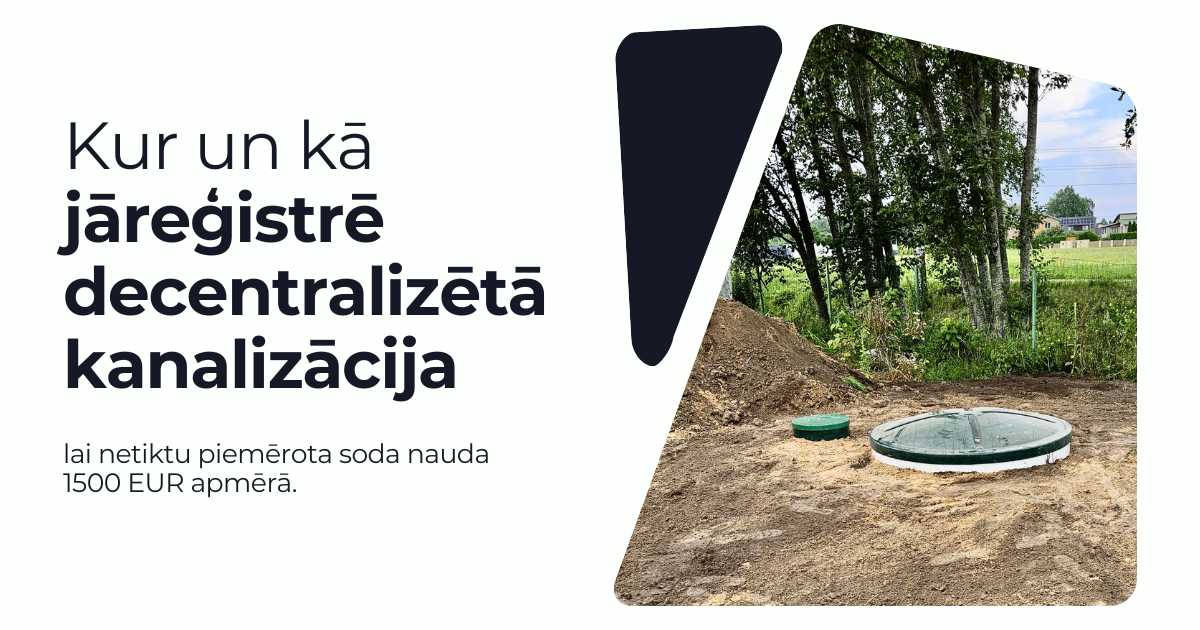
  • Registering a decentralised sewerage system: what owners need to know

    Registering a decentralised sewerage system: what owners need to know

    Decentralised sewerage is a private wastewater collection and/or treatment system that is not connected to the central sewer. Such solutions are common in private houses, summer cottages and places where a network connection is unavailable or too expensive.

    Since 31 December 2021, registering a decentralised sewerage system has become an obligation for many properties. In some cases (for example, in rural areas and on farmsteads) there may be exceptions or nuances – always check your municipality’s binding regulations.

    In this article, briefly and clearly:

    • what must be registered,
    • how registration works,
    • where to find your municipality’s form,
    • and what can happen if you don’t register.

    What must be registered?

    The simple rule: any private sewerage system must be registered, regardless of its type or size. This applies to:

    SystemMust be registered?Example
    Holding tank / wastewater tankYesStores wastewater for collection
    Septic tankYesSettling + post-treatment/discharge
    Biological treatment plantYesTreats wastewater with a biological process
    Free-standing / portable toiletYesIn a garden, on a building site, allotment, etc.

    Important: if there are several systems on one property, each must be registered separately (a separate application for each).

    Step by step: how to register a decentralised sewerage system

    1. Identify the type of system (holding tank, septic tank, biological plant, etc.).
    2. Prepare the property details (address, cadastral number – if the municipality requires it).
    3. Find your municipality’s application procedure (links below).
    4. Submit the application (usually by email, via an e-service or in person – depending on the municipality).
    5. Keep a copy of the application and the documents relating to the system (in case clarification is requested later).

    Tip: if you are not sure exactly what you have installed (a septic tank or a biological plant), it is better to find out before applying.

    What you usually need to prepare (to speed up registration)

    The specific requirements differ, but these are most often useful:

    • the property address (and/or cadastral number),
    • the system type (holding tank/septic tank/biological plant),
    • its location on the property,
    • installation documents / technical information (certification),
    • inspection or maintenance information.

    Where and how do you register?

    Registration is done with the municipality where the property is located. The municipality keeps the register of decentralised sewerage systems and handles their records and inspection.

    VARAM has reported that registers of decentralised sewerage systems have been set up in all municipalities, so if you can’t find the form straight away, search your municipality’s website for the keywords:

    ā€œdecentralizētā kanalizācija reÄ£istrācijaā€ (decentralised sewerage registration) or ā€œDKS reÄ£istrsā€ (DKS register).

    Municipality links (where to start looking)

    What happens if the system is not registered?

    From 1 January 2022, the municipality may impose an administrative fine for not registering (in line with municipal regulations). The maximum fine can reach:

    • up to €500 for individuals,
    • up to €1500 for legal entities.

    Frequently asked questions

    Do I need to register the system for a summer cottage or seasonal house too?
    Registration usually relates to the system itself, not how often it is used. Check your municipality's regulations for the exact procedure.
    Does a portable toilet on a building site or in a garden also need registering?
    Yes, such systems may also need registering if they are on the property and in use.
    I have both a holding tank and a biological plant — what should I do?
    If there are several systems on one property, each one usually has to be registered separately.
    I don't know whether I have a septic tank or a biological plant. How can I tell?
    The easiest way is to check the documents or send a specialist photos/installation details of the unit so the system can be identified correctly.
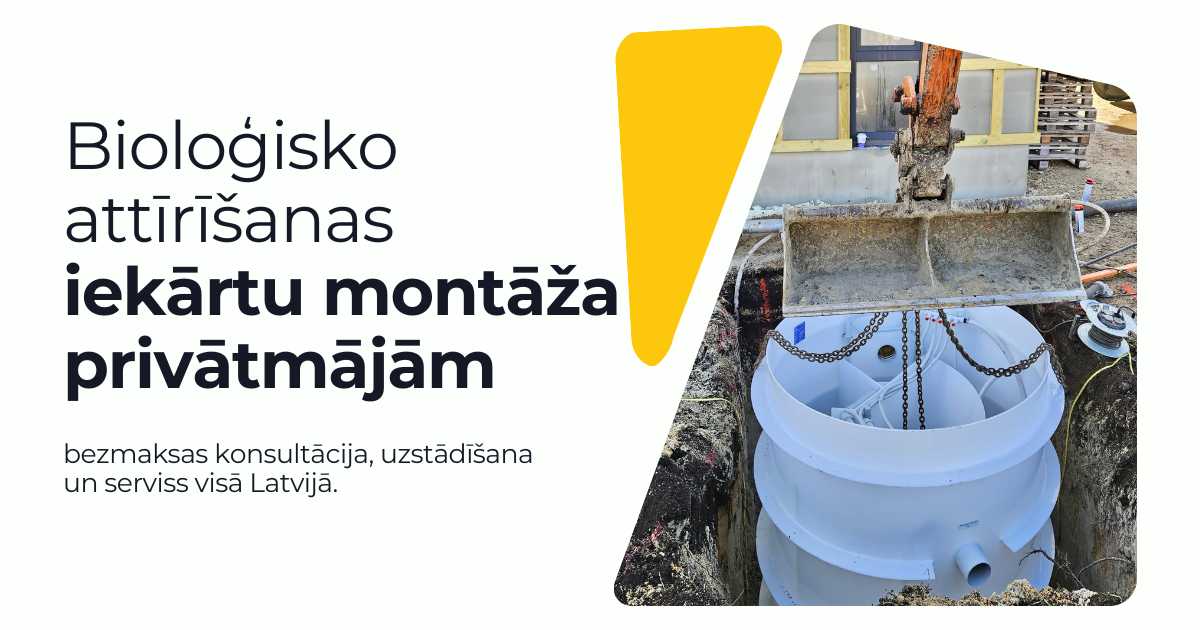
  • Installing biological wastewater treatment plants for private houses

    Installing biological wastewater treatment plants for private houses

    A biological wastewater treatment plant is one of the most practical solutions for a private house: it works reliably, reduces the risk of odours and helps manage household sewage safely. But the end result depends not only on the plant itself, but above all on correct installation and discharge of the treated water.

    In this article we explain clearly how biological wastewater treatment plants are installed for private houses, how long it takes, what affects the cost and what to prepare before installation.

    Installing a biological treatment plant: why does installation matter so much?

    Even a good plant may not work optimally if:

    • the location on site is not chosen correctly,
    • the discharge solution (infiltration/ditch/pumping) is not planned,
    • the connections or gradients are wrong,
    • there is no access for maintenance.

    So the goal is not just to ā€œbury a plantā€, but to build a system that works reliably in the long term.

    6 steps to installing a biological treatment plant correctly for a private house

    1) Consultation and choice of the most suitable model

    We determine the capacity (number of people, intensity of use, seasonal/permanent living) and choose a suitable plant.

    2) Assessment of site conditions

    It is very important to assess:

    • the soil type and infiltration options,
    • the groundwater level,
    • the terrain,
    • the options for discharging treated water,

    3) Earthworks and base preparation

    The pit, base and position are prepared to ensure the plant is stable and works correctly.

    4) Installing the plant and making the connections

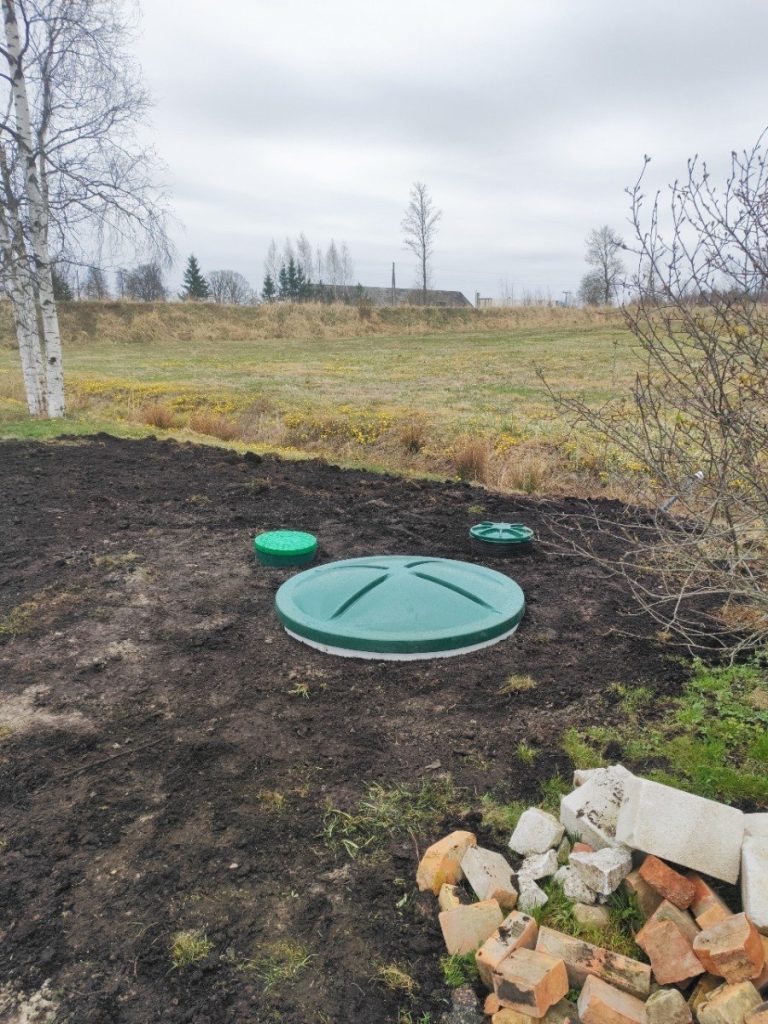
    The plant is installed and connected to the house sewer, and the treated-water discharge solution is planned and built.

    5) Filling, adjustment and commissioning

    The plant is filled, adjusted and its operation tested. The customer is shown how to use it correctly.

    6) Maintenance and service

    To keep the treatment quality stable and avoid faults, regular maintenance must be planned for the plant.

    Correct installation of a biological wastewater treatment plant for a private house reduces the risk of odours and overflows and ensures stable treatment quality.

    Note: in many municipalities, decentralised sewerage systems must be registered. The Ministry of Smart Administration and Regional Development (VARAM) reports that registers of decentralised sewerage systems have been set up in all municipalities – read more here.

    Where and how should treated wastewater be discharged?

    Discharging treated water is one of the most common questions. Typical solutions:

    • infiltration / drainage (if the soil and conditions allow),
    • discharge to a ditch / drainage system (if this is permitted at the specific location),
    • pumped solutions, if the terrain requires it (no natural fall, or the discharge point is higher).

    Important: choose the discharge method based on the site conditions, not ā€œthe same as the neighboursā€.

    How long does installation take?

    The timeline depends on the amount of earthworks and the discharge solution. On simpler sites, installation can often be done quickly, but on more complex ones (high groundwater, dolomite, pumping, long pipe runs) it can take longer. Installation usually takes 1 day.

    What affects the installation cost?

    The main factors that make up the price are usually:

    • the distance from the house to the plant (pipe run length),
    • soil conditions (clay, sand, dolomite, high groundwater),
    • whether a pumping station or extra components are needed,
    • the treated-water discharge solution,

    Tip: the cheapest solution at the start is not always the cheapest in the long run if the discharge then has to be fixed or overflows dealt with.

    What to prepare before installation (to keep it quick)

    Before installation, it helps to have:

    • the number of people in the household,
    • information about the soil/groundwater (if known),
    • a rough idea of where you want the plant (or a location we can assess together),
    • information about the existing system (if there is one).

    The most common mistakes to avoid

    • choosing a plant without a discharge plan,
    • installing the plant where there is no access for maintenance,
    • saving on the quality of earthworks (base, backfill, gradients),
    • wet wipes, oils and aggressive chemicals ending up in the sewer (this damages the system),
    • putting off maintenance ā€œuntil it starts to smellā€.

    Frequently asked questions

    Is a biological treatment plant also suitable for a seasonal house?
    Yes, but you need to choose a suitable solution and follow the usage/maintenance recommendations (especially if the house is unoccupied for long periods).
    Is electricity needed for the installation?
    A biological plant usually needs electricity to operate (e.g. for aeration/the compressor). The exact requirements depend on the model and solution.
    Where can treated wastewater be discharged?
    That depends on the soil, terrain, groundwater and local conditions. The safest approach is to assess the site and choose a solution that remains stable after rain and in spring.
    How often is maintenance needed?
    The frequency depends on the plant and its load, but regular maintenance is essential to keep the treatment quality and avoid faults.