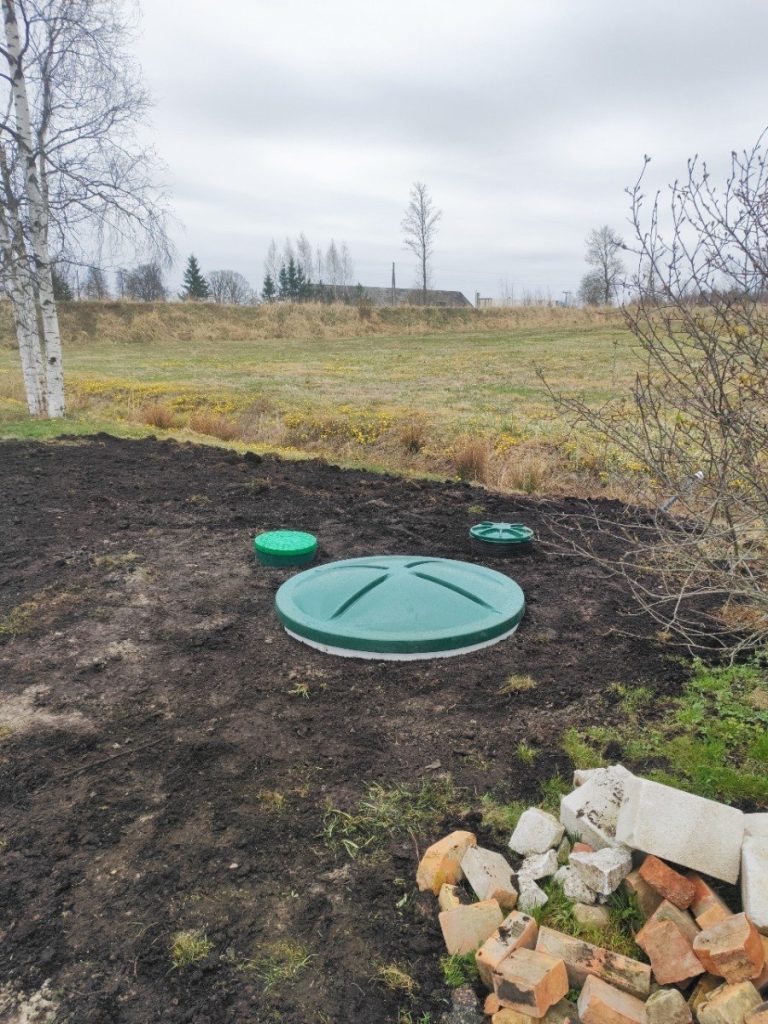
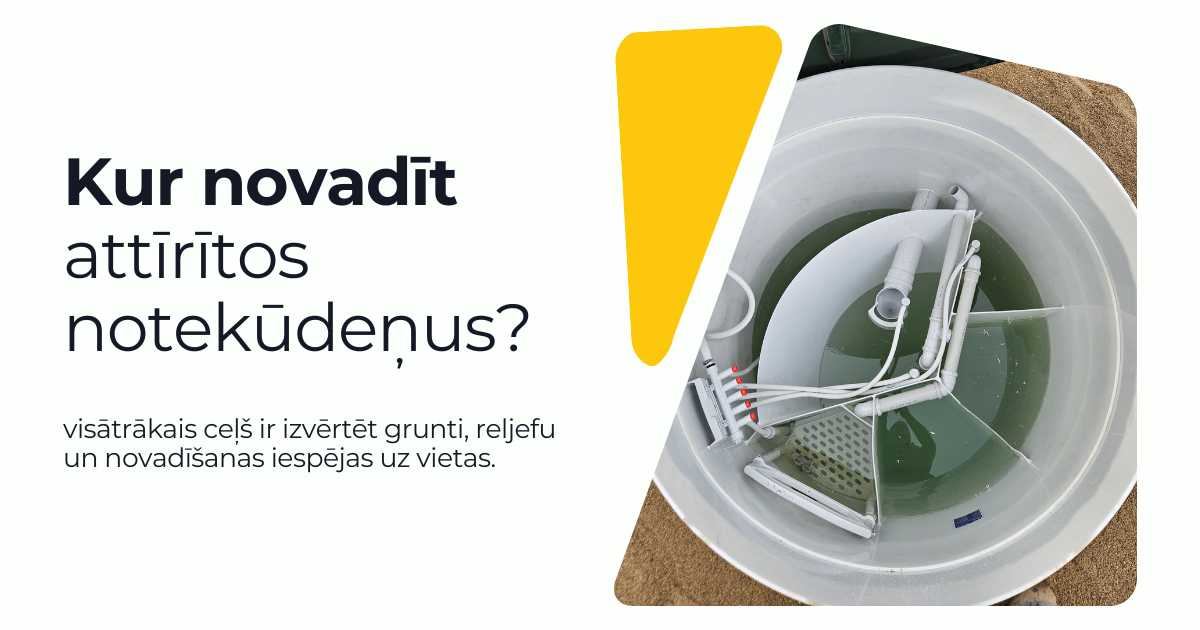
When choosing a biological treatment plant for a private house, one of the most important questions is a very practical one: where should the treated wastewater go? Even if the plant treats very well, the final solution always depends on the conditions of the specific property, the soil, the terrain and the discharge options.
To make the choice safe and clear, below we have summarised the 3 most popular options that are most often used with AUGUST plants.
How to tell which option is most suitable
Before you choose a discharge method, it is worth assessing 4 things:
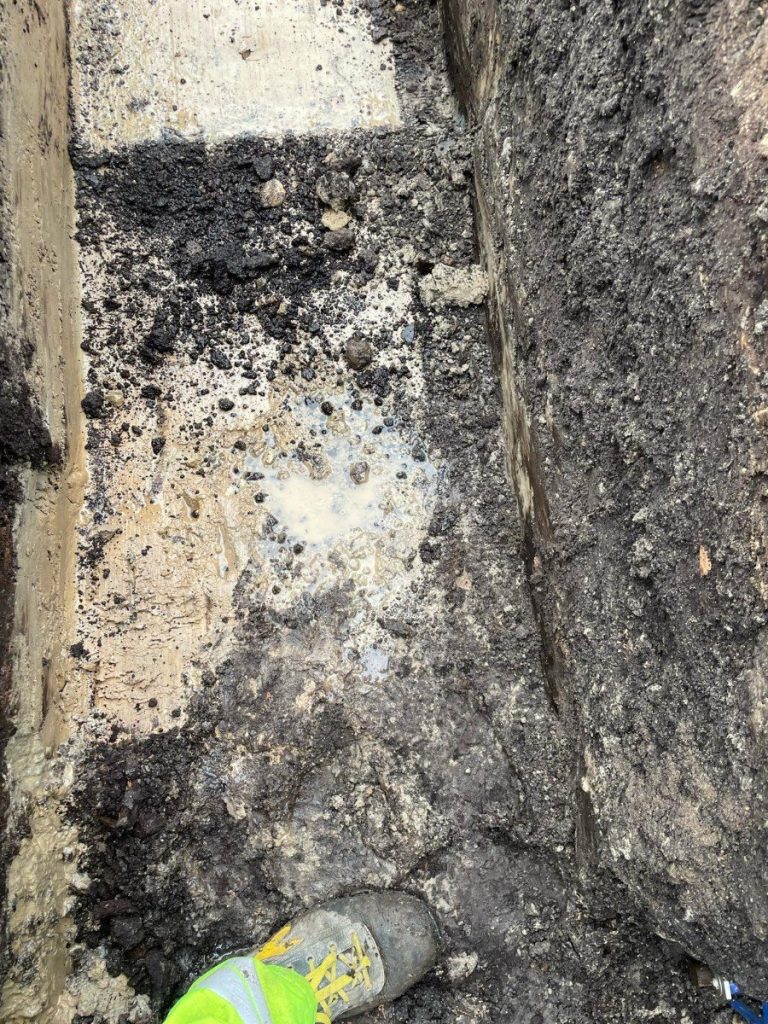
- the soil composition and its ability to absorb water (sand usually “takes” water better than clay)
- the groundwater level in different seasons, especially in spring
- the terrain and whether pumping is needed
- nearby drainage features, such as a ditch or land drainage system
The more precisely you understand this, the lower the risk that after rain or in spring the system will start “living a life of its own”.
1) Infiltration field
Infiltration is one of the most popular solutions because it is simple, quiet and visually unobtrusive. The treated water soaks into the ground, where it is filtered further and dispersed over a wider area.
This option works best where the site drains well and the groundwater is not high. If the soil is heavy and wet, however, infiltration can become slow, and then another solution or additional technical components need to be planned.
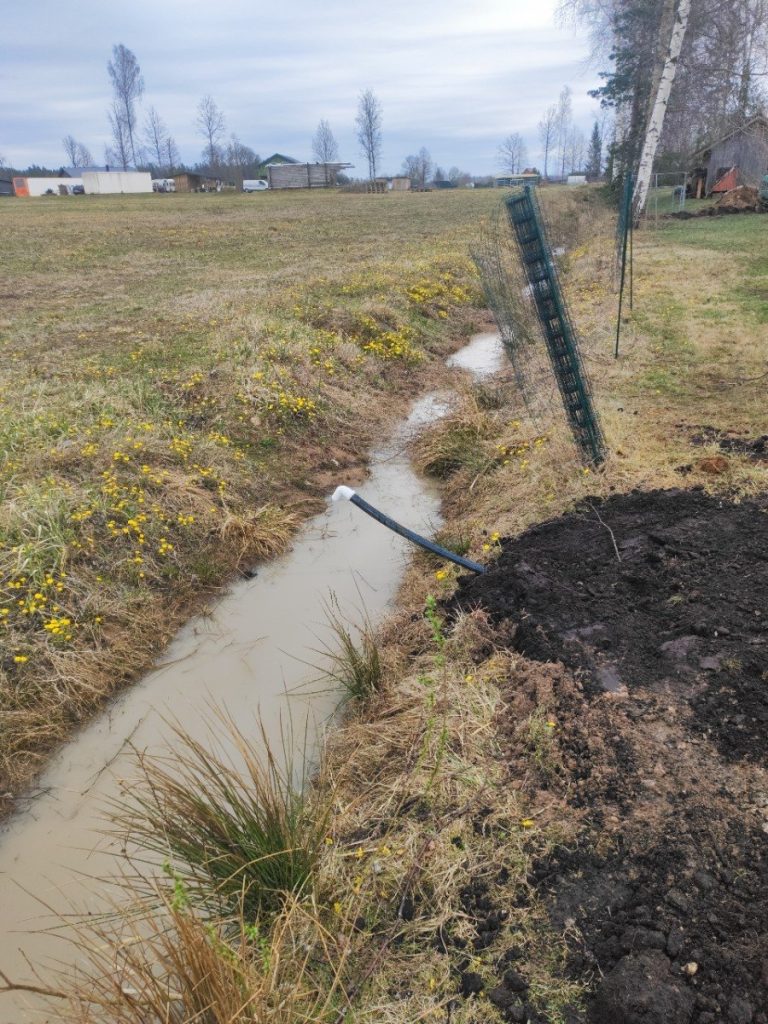
2) Ditch or land drainage system
If there is a ditch or land drainage system near the property, the treated water is often discharged straight into it. This is especially convenient if the terrain allows a natural flow or a pumping station can be installed.
It’s important to make sure the discharge is permitted and complies with local regulations. In practice this also means the treated water is visually clean, odourless and free of visible impurities.
3) An open water body, such as a pond
The third option is to discharge the treated water into an open water body, such as a pond. On some properties this is a good way to maintain the water level in drier periods, but you need to be especially careful about the impact on the environment and local conditions.
If you choose this option, take a conservative approach: assess the volume of the water body, its water exchange and whether the pond is closed or connected to other watercourses.
AUGUST treatment quality
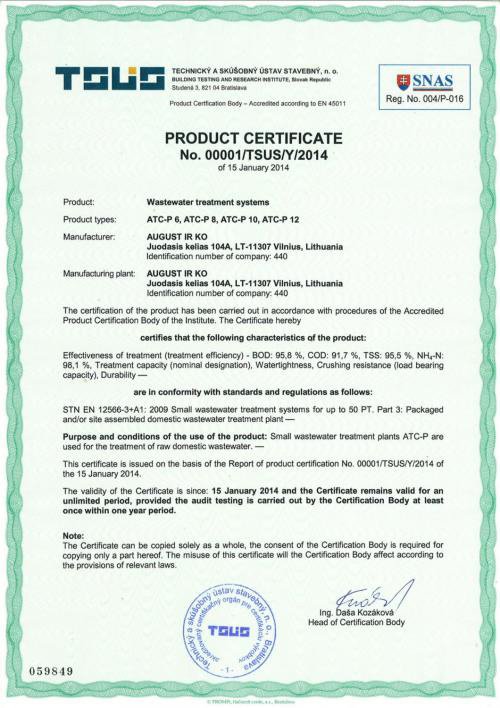
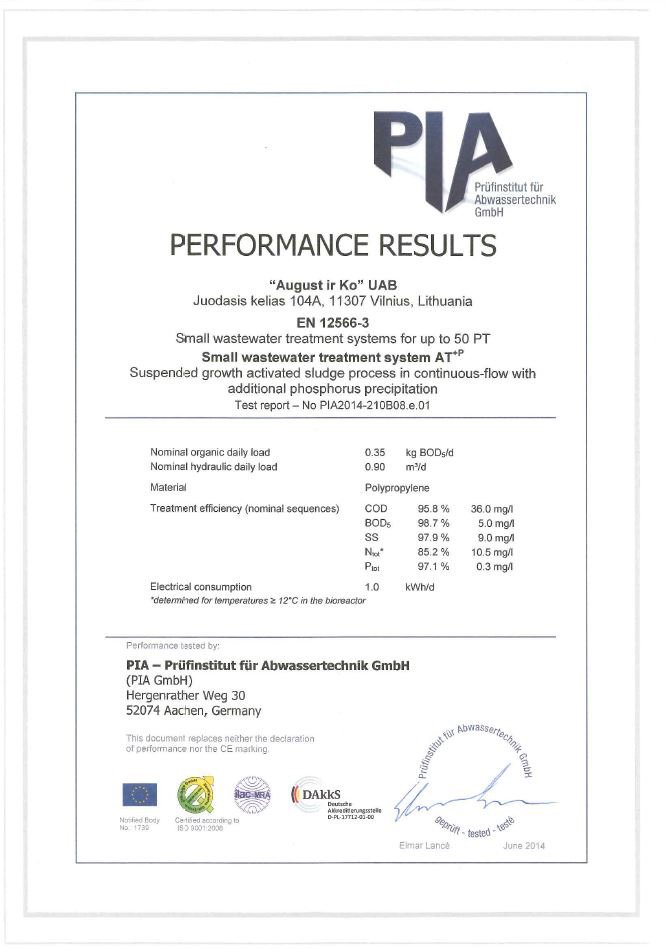
AUGUST plants are CE certified, and the treated water parameters (according to certification) are usually very high, for example:
- BOD₅ ≤ 5 mg/l
- Suspended solids ≤ 5 mg/l
- Ammonium nitrogen ≤ 1 mg/l
In practice this means the water is visually clean and odourless after treatment, which opens up several safe discharge options.
Frequently asked questions
If you want to be sure where to discharge treated wastewater on your property, the quickest way is to assess the soil, terrain and discharge options on site. We will help you choose the most suitable solution and plan the whole system so it works reliably after rain and in spring too.